Skip to content

Phytosanitary.info

The plain-English guide to phytosanitary trade rules

  • Home
  • Certificates
  • Countries
  • Commodities
  • Pests
  • Treatments
  • Standards
  • Tools

Recent Posts

  • Quarantine Pests vs. Regulated Non‑Quarantine Pests: What Exporters Need to Know
  • Validity Periods for Phytosanitary Certificates by Country – A Complete Guide
  • How to Prepare a Phytosanitary Certificate for Exporting Fresh Produce
  • Effective Post‑Entry Treatment Options for Wood Packaging Materials: Heat, Fumigation, and Irradiation
  • How to Obtain a Phytosanitary Certificate for Seed Potatoes: Step‑by‑Step Process

Recent Comments

No comments to show.

Archives

  • October 2026
  • September 2026
  • August 2026
  • July 2026

Categories

  • Certificates & Documentation
  • Commodity Requirements
  • Compliance & Procedures
  • Country Regulations
  • ISPM Standards & IPPC
  • Regulated Pests & Diseases
  • Treatments & Fumigation

Commodity Requirements

ALPP vs PFA: When Can You Use a Low Pest Prevalence Area for Export?

September 12, 2026 | Commodity Requirements | Joaquimma Anna

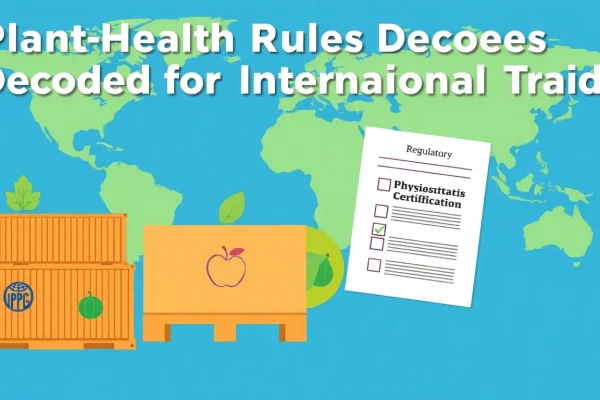
Understand the critical differences between Area of Low Pest Prevalence (ALPP) and Pest Free Area (PFA) status. Learn when exporters can utilize ALPP for phytosanitary certification and international trade compliance.
Read More →
Phytosanitary Requirements by Commodity: A Practical Guide for Exporters

Phytosanitary Requirements by Commodity: A Practical Guide for Exporters

July 31, 2026 | Commodity Requirements | Joaquimma Anna

How phytosanitary requirements differ by commodity type. Fresh fruit, processed products, seeds, cut flowers, plants for planting, and wood packaging — what each requires, why, and how to prepare.

Read More →
Cut Flower Export Requirements: A Complete Guide for Traders and Regulators

Cut Flower Export Requirements: A Complete Guide for Traders and Regulators

July 9, 2026 | Commodity Requirements | Joaquimma Anna

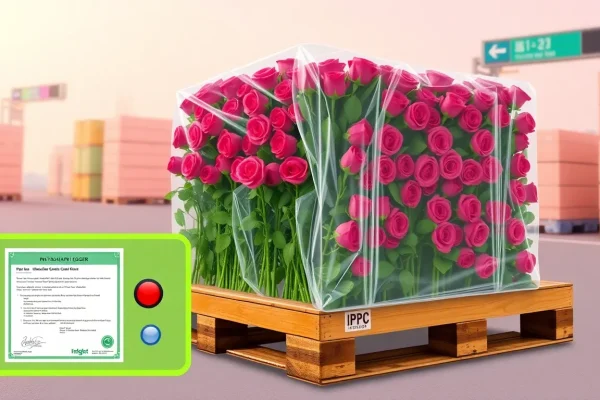
Learn the essential phytosanitary steps, documents, and treatments needed to move cut flowers across borders. This guide covers regulations, common pitfalls, and a step‑by‑step checklist for exporters, importers, brokers, and students.

Read More →

About This Site

The plain-English guide to phytosanitary trade rules

Recent Articles

  • Phytosanitary Glossary: 100+ Terms Every Exporter Should Know
  • The Phytosanitary Inspection Process: Step‑by‑Step Guide for Global Traders
  • Phytosanitary Treatments Compared: Fumigation, Heat, Cold, and Irradiation – A Trade Compliance Guide
  • ISPM Standards Explained: The IPPC Rulebook Behind Plant Health Trade
  • Phytosanitary Requirements by Commodity: A Practical Guide for Exporters
  • Quarantine Pests 101: Understanding A1, A2, and Regulated Pest Lists
  • Plant Quarantine Explained: How Countries Protect Agriculture From Pests
  • The Complete Guide to Phytosanitary Certificates for International Trade
  • Quarantine Pests vs. Regulated Non‑Quarantine Pests: What Exporters Need to Know
  • Validity Periods for Phytosanitary Certificates by Country – A Complete Guide
  • How to Prepare a Phytosanitary Certificate for Exporting Fresh Produce
  • Effective Post‑Entry Treatment Options for Wood Packaging Materials: Heat, Fumigation, and Irradiation
  • How to Obtain a Phytosanitary Certificate for Seed Potatoes: Step‑by‑Step Process
  • Home
  • About Us
  • Contact Us
  • Disclaimer
  • Terms of Service
© 2026 Phytosanitary.info. All rights reserved. Powered by WordPress