
Short Answer
Phytosanitary Glossary: 100+ Terms Every Exporter Should Know
This glossary covers official phytosanitary terminology (from ISPM 5 and related standards) plus practical exporter language. Terms are alphabetically organized with cross-references to relevant pillars and ISPMs.
A
A1 Pest (Quarantine pest — A1 list)
Definition: A pest that is present in some specific areas and absent from others, and which is regulated by NPPOs of the uninfested areas (ISPM 5).
Context: A1 pests are the most serious quarantine pests. They don’t exist in the importing country and importers want to keep it that way. Examples: Mediterranean fruit fly (Ceratitis capitata) in many non-Mediterranean countries; Fusarium TR4 (banana wilt) in many regions. Finding an A1 pest in your export lot = automatic shipment rejection.
For exporters: If your destination country classifies a pest as A1, treat it like maximum urgency. Any pest detection results in automatic rejection (no tolerance). See Pillar 3: Quarantine Pests.
Related: A2 pest, regulated pest, quarantine pest, pest list.
A2 Pest (Quarantine pest — A2 list)
Definition: A pest that is present in a specific area where it is regulated, and which occurs in other areas (ISPM 5).
Context: A2 pests exist somewhere in the importing country but are still regulated (managed) to prevent spread. The standard is “suppression” (reduce population), not “absence.” Example: Khapra beetle (Trogoderma granarium) — present in southern USA but regulated to prevent northward spread.
For exporters: A2 pests are less strict than A1. Some tolerance levels exist (e.g., X number of live insects per container may be acceptable if treatment is applied). Negotiate tolerance with destination NPPO.
Related: A1 pest, RNQP (regulated non-quarantine pest), suppression, containment.
Acceptance (of a consignment)
Definition: Decision by the NPPO that a consignment meets phytosanitary requirements and may be imported or exported (ISPM 5).
Context: Your shipment has passed inspection, sampling, documentation checks, and any required testing. The NPPO issues a phytosanitary certificate (PC). Acceptance = legal permission to ship.
For exporters: This is your goal at every export. Acceptance = no delays, no re-treatment, no rejection. See Pillar 7: Inspection Process.
Related: Rejection, detention, compliance, phytosanitary certificate.
Additional Declaration
Definition: Any statement required by the importing country’s NPPO, included in the phytosanitary certificate under the “Additional Declarations” field.
Context: Space on the PC for country-specific requirements. Example: “The consignment was inspected and found free from live insects” or “Commodity sourced from pest-free area for Bactrocera dorsalis” or “Treatment applied: vapor heat 47°C for 30 minutes.”
For exporters: Get the exact wording required by your destination in writing before inspection. Mismatched wording = certificate rejection and delays. Indonesia issues PCs via IQFAST; additional declarations are entered electronically.
Related: Phytosanitary certificate, IQFAST, certification.
Area of Low Pest Prevalence (ALPP)
Definition: An area where a pest is present but at such a low level that it may be used as an export option without specific treatment, subject to verification procedures (ISPM 5).
Context: Lighter requirement than pest-free area (PFA). Pest exists but at controlled, very low levels. Requires monitoring, sampling, and official NPPO verification. Less expensive to establish than PFA but more strict than untreated commodity.
For exporters: If your production area has low pest prevalence for a target quarantine pest, you can export without treatment. Requires bilateral agreement with destination NPPO. See Pillar 2: Quarantine.
Related: Pest-free area (PFA), verification, export eligibility.
Authorized Officer (Authorized Inspector)
Definition: Person authorized by the NPPO to conduct phytosanitary inspections, sampling, and certification (ISPM 5, 7, 23).
Context: The official who physically inspects your commodity, takes samples, and signs the PC. Must be trained, certified, and operating under NPPO authority. In Indonesia, Barantin officers are authorized inspectors.
For exporters: Treat them respectfully — they hold the power to accept or reject your shipment. Have all documents and commodity ready for their inspection. Do not resist sampling or re-sampling; cooperation speeds the process.
Related: NPPO, inspection, Badan Karantina Indonesia (Barantin).
B
Badan Karantina Indonesia (Barantin)
Definition: Indonesia’s National Plant Protection Organization (NPPO), formed 20 July 2023 (Presidential Regulation No. 45/2023), consolidating plant, animal, and fish quarantine functions.
Context: The Indonesian government agency responsible for issuing phytosanitary certificates for exports. Operates regional offices at major ports. Uses IQFAST (electronic PC issuance system).
For exporters: When exporting from Indonesia, Barantin is your NPPO. Submit applications via IQFAST, coordinate inspection scheduling through Barantin’s port office, and pay fees through Barantin’s billing system (PNBP codes).
Related: NPPO, IQFAST, phytosanitary certificate, inspection.
Botanical Name
Definition: Scientific name of a plant (genus and species), used to clearly identify the commodity and avoid confusion with common names.
Context: Example: Mangifera indica (mango), Carica papaya (papaya), Coffea arabica (coffee arabica). Botanical names are required on phytosanitary certificates and import permits to prevent misidentification.
For exporters: Always include botanical names on commercial invoices, packing lists, and IQFAST applications. Common names (e.g., “mango”) are insufficient for official documents.
Related: Commodity identity, HS code, variety.
Broken consignment
Definition: A consignment that, during inspection or transport, becomes physically separated, contaminated, or compromised in a way that makes verification of compliance impossible.
Context: Example: Container is damaged in transit, cartons open and contents mix with non-regulated items, or packaging is breached and insects could have entered. Broken consignment usually = rejection.
For exporters: Use quality packaging and logistics providers. Ensure containers are properly sealed. Verify seal integrity at inspection before the NPPO inspector arrives.
Related: Consignment, integrity check, contamination.
C
Category 1–4 Commodities (ISPM 32)
Definition: Framework categorizing commodities by processing level and intended use to determine phytosanitary requirements (ISPM 32).
Context:
- Category 1: Processed, no pest risk (roasted coffee, canned fruit)
- Category 2: Fresh or minimally processed (fresh mango, papaya, cut flowers)
- Category 3: Wood and wood products
- Category 4: Unprocessed, for planting (seeds, seed potatoes, tree cuttings)
For exporters: Determines if your commodity needs a phytosanitary certificate. Category 1 = usually exempt. Categories 2–4 = require PC. See Pillar 4: Commodities.
Related: Processing, intended use, phytosanitary requirements.
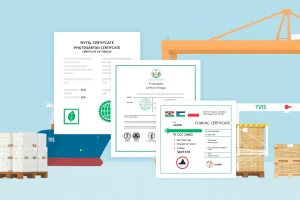
Certificate of Origin
Definition: Official document certifying the country (or region) where a commodity was produced or processed.
Context: Not the same as phytosanitary certificate. CoO is commercial/tariff document; PC is plant health document. Many countries require both.
For exporters: Obtain from your local chamber of commerce or trade office. Include in export documents package along with PC, commercial invoice, and packing list.
Related: Phytosanitary certificate, export documentation, commercial invoice.
Cold Treatment
Definition: Phytosanitary treatment using low temperature (typically 0–3°C) for an extended period to achieve pest control (ISPM 28).
Context: Effective for Mediterranean fruit fly (Medfly) and some other cold-susceptible pests. Requires 18+ days at 2°C. Preserves fruit quality but is slow; not suitable for highly perishable tropical fruit.
For exporters: Used mainly for citrus exports to specific markets. Requires refrigerated logistics and precise temperature monitoring with documentation. See Pillar 6: Treatments.
Related: Vapor heat treatment, fumigation, irradiation, ISPM 28.
Commodity
Definition: Any plant, plant product, or other article regulated under phytosanitary measures that is moved in international trade.
Context: Includes fresh fruit, vegetables, seeds, timber, wood packaging, cut flowers, grains, dried products, and more. Each commodity has specific phytosanitary requirements.
For exporters: Know your commodity’s categorization (1–4), regulated pests, and market-specific requirements before export.
Related: Regulated articles, plant products, phytosanitary requirements.
Compliance (Phytosanitary compliance)
Definition: Meeting all phytosanitary regulations and requirements of the importing country’s NPPO.
Context: Your shipment meets all requirements: correct documentation, pest-free status or treatment applied, meets quarantine pest regulations, proper packaging, valid certification, etc.
For exporters: Non-compliance results in detention, re-treatment, or rejection. Build compliance into every step of production, treatment, packaging, and export.
Related: Acceptance, phytosanitary requirements, phytosanitary certificate.
Commission on Phytosanitary Measures (CPM)
Definition: The governing body of the IPPC; comprised of representatives from all IPPC member countries.
Context: Meets annually to adopt new ISPMs (International Standards for Phytosanitary Measures), revise existing ones, and make policy decisions on plant health internationally.
For exporters: CPM decisions affect regulatory requirements globally. When new ISPMs are adopted or revised, importing countries update their regulations accordingly, which affects your export requirements.
Related: IPPC, ISPM, standard-setting process.
Consignment
Definition: A quantity of plants, plant products, or other regulated articles, identified by a single shipping document, moving from one country to another and capable of being inspected as a single unit (ISPM 5).
Context: Your shipment = one or more containers with the same commodity, lot, origin, and destination. A consignment is the unit of inspection.
For exporters: Ensure each consignment has distinct documentation (separate invoice, packing list, PC). Mixing different lots or origins in one container complicates inspection.
Related: Lot, shipment, inspection.
Containment (of a pest)
Definition: Measures to prevent the spread of an established pest from an infested area to uninfested areas (ISPM 1, 5).
Context: Strategy when a pest is already established but managers want to keep it from spreading. Example: Keeping an agricultural pest within a specific region to protect other regions.
For exporters: If your production area is under containment measures for a pest, you must comply with those measures (monitoring, treatment, movement restrictions) to export. See Pillar 2: Quarantine.
Related: Eradication, suppression, exclusion, quarantine strategy.
CITES (Convention on International Trade in Endangered Species)
Definition: International treaty regulating trade in endangered plants and animals; separate from phytosanitary measures but sometimes overlaps with plant trade.
Context: Some plants (orchids, tree species) are CITES-listed. Exports require both phytosanitary certificate AND CITES permit.
For exporters: If your product contains CITES-listed species, obtain CITES permit in addition to PC. Check destination requirements before export.
Related: Phytosanitary certificate, export permits, regulated articles.
D
Detention (of a consignment)
Definition: Official action by the NPPO to hold a consignment that does not currently meet phytosanitary requirements, pending remedial action.
Context: Shipment is held (not rejected yet) while exporter arranges re-treatment, sorting, documentation correction, or re-inspection. Costs time and money but allows recovery of the shipment.
For exporters: Detention typically lasts 2–7 days depending on remedial action. Plan for this possibility; include 5–7 day buffer in export timelines.
Related: Rejection, acceptance, compliance, re-treatment.
Diagnostic Protocol (DP)
Definition: Technical documentation describing the procedures for identifying and diagnosing a specific regulated pest, adopted by CPM (Commission on Phytosanitary Measures).
Context: Official testing methods for detecting certain pests. Used by laboratories to verify pest status. Example: DP for detecting Xylella fastidiosa requires specific PCR testing procedure.
For exporters: When laboratory testing is required, the NPPO may specify which DP must be used. Costs and timelines vary by DP complexity.
Related: Laboratory testing, ISPM, testing procedures.
Disinfection
Definition: Any treatment applied to a regulated article to render any pests present non-viable or non-pathogenic (ISPM 5).
Context: Kill pests without removing them. Examples: fumigation, heat treatment, irradiation, cold treatment. All are disinfection methods.
For exporters: Disinfection proves pest control before export. Documentation of disinfection (treatment certificate) is part of the phytosanitary certificate.
Related: Disinsection, phytosanitary treatment, ISPM 28.
Disinsection
Definition: A type of disinfection specifically targeting insects; rendering them non-viable (ISPM 5).
Context: Fumigation, heat treatment, irradiation, cold treatment are all disinsection methods.
For exporters: If your commodity is at risk from insects, arrange disinsection. Choose method based on commodity type and market acceptance. See Pillar 6: Treatments.
Related: Disinfection, fumigation, treatment.
Documentary Check
Definition: Part of phytosanitary inspection involving verification of shipping documents (invoice, packing list, phytosanitary certificate, import permit, etc.) for accuracy and consistency.
Context: Inspector reviews: Is commodity description correct? Does weight/quantity match across all documents? Is origin stated correctly? Are seals intact? Any erasures or alterations?
For exporters: Prepare accurate, complete, consistent documents before inspection. Mismatches cause detention and delays. See Pillar 7: Inspection.
Related: Inspection, compliance, phytosanitary certificate.
E
Eradication (of a pest)
Definition: Official action to eliminate a pest from a given area such that it is no longer present (ISPM 1, 5).
Context: Aggressive strategy used when a pest is detected in a small, newly infested area. Goal: eliminate it completely before it establishes. Example: Medfly eradication in Alameda County, California (2024–2025).
For exporters: If a pest you’re concerned about is under eradication in your region, your production area may be placed under movement restrictions. See Pillar 2: Quarantine.
Related: Exclusion, containment, suppression.
Equivalence (Phytosanitary equivalence)
Definition: Recognition by the NPPO of importing country that the phytosanitary measures (or combinations thereof) applied by the exporting country are equivalent to its own, even if different in form (ISPM 5, 24).
Context: Two countries may use different treatments but achieve the same pest-control result. Example: USA uses fumigation; Indonesia uses vapor heat. Both are accepted by EU if deemed equivalent.
For exporters: Equivalence agreements allow flexibility in treatment selection. Check if bilateral agreement exists with destination NPPO.
Related: Phytosanitary measures, bilateral recognition, mutual acceptance.
Exclusion (of a pest)
Definition: Phytosanitary measure to prevent the entry or establishment of a pest not present in an area (ISPM 1, 5).
Context: Most stringent quarantine strategy. Goal: keep the pest out entirely. Example: Most countries exclude tropical fruit flies from their territories through PC requirements and treatment mandates.
For exporters: Exclusion means zero tolerance for regulated pests. Compliance is non-negotiable. See Pillar 2: Quarantine.
Related: A1 pest, quarantine, prohibited pests.
Export Certification System
Definition: The official infrastructure and procedures by which an NPPO certifies that commodities meet the phytosanitary requirements of importing countries (ISPM 7).
Context: Includes inspector training, inspection procedures, documentation standards, record-keeping, and quality assurance. Governed by ISPM 7.
For exporters: Your NPPO (e.g., Barantin) operates an export certification system. Trust it, follow its procedures, and comply with its requirements.
Related: NPPO, ISPM 7, phytosanitary certificate, inspection.
F
Field Inspection
Definition: Official inspection of plants in cultivation (fields) to verify pest status, treatment application, or origin of planting material before harvest and export.
Context: Often required for seeds, plants for planting, and high-risk commodities. Inspector visits the production site, examines plants in-field, and issues certification.
For exporters: If field inspection is required by destination, plan for inspector visit 1–2 weeks before harvest. Maintain field records (inputs, treatments, monitoring data).
Related: Inspection, plants for planting, pre-shipment inspection.
Frass
Definition: Insect droppings, visible as small specks or powder, often a sign of pest infestation.
Context: Visual indicator of pest presence. Inspector looks for frass as evidence of active or recent infestation in fruit or commodities.
For exporters: During inspection, frass is looked for carefully. If found, sample lot may be rejected or detained for re-treatment. Maintain storage hygiene to prevent pest infestation.
Related: Pest detection, visual inspection, infestation.
Fumigation
Definition: Phytosanitary treatment using gaseous pesticide (fumigant) to disinfect or disinsect a commodity (ISPM 28, 43).
Context: Chemical vapor (methyl bromide, sulfuryl fluoride, phosphine) is applied in sealed chamber or tent. Penetrates packed commodity. Kills all life stages of regulated pests. Governed by ISPM 43.
For exporters: Widely used, relatively fast (2–24 hours), but methyl bromide (MB) is phasing out due to ozone concerns. Sulfuryl fluoride (SF) is an approved alternative. Requires certified facility. See Pillar 6: Treatments.
Related: Phytosanitary treatment, disinsection, methyl bromide.
Fusarium TR4
Definition: A lethal wilt fungus (Fusarium oxysporum f. sp. cubense Tropical Race 4) affecting bananas, causing 100% yield loss on susceptible varieties; listed as A1 pest by EPPO (added September 2024).
Context: No cure exists. Bananas can’t be treated post-infection. Spread via contaminated soil, equipment, and plant material. Threatens global banana trade.
For exporters: If you export bananas to strict quarantine markets, Fusarium TR4-free status is mandatory. Requires certified nurseries, soil testing, phytosanitary measures. See Pillar 3: Pests.
Related: A1 pest, quarantine pest, regulated pathogen.
G
Gy (Gray)
Definition: Unit of absorbed radiation dose, used to specify irradiation treatment intensity (ISPM 18).
Context: 1 Gy = 1 joule of energy per kilogram of matter. Phytosanitary irradiation treatments typically range 70–400 Gy depending on pest and commodity.
For exporters: When purchasing irradiation treatment, specify the target Gy dose. Different pests and countries require different doses. See Pillar 6: Treatments.
Related: Irradiation, phytosanitary treatment, ISPM 18.
Glossary of Phytosanitary Terms (ISPM 5)
Definition: Official IPPC reference standard defining all terms used in phytosanitary systems worldwide.
Context: ISPM 5 is regularly updated (latest edition July 2024). All phytosanitary terminology is standardized here to ensure international harmonization.
For exporters: This glossary is based on ISPM 5. Refer to ISPM 5 for official definitions if you need to confirm terminology in official communications with NPPOs.
Related: ISPM, standard terminology, phytosanitary measures.
H
HS Code (Harmonized System Code)
Definition: 6- or 10-digit code assigned to commodities in international trade to classify them for tariffs, statistics, and regulatory purposes.
Context: Example: Coffee (green beans) = HS 0901.11; roasted coffee = HS 0901.21. HS code determines applicable phytosanitary requirements, tariffs, and import regulations.
For exporters: Verify correct HS code before export. Wrong HS code = documentation error = inspection detention. Include on commercial invoice, packing list, and IQFAST application.
Related: Commodity classification, tariff, customs, import regulations.
Heat Treatment (Vapor Heat Treatment / VHT)
Definition: Phytosanitary treatment using controlled hot air and high humidity to raise commodity core temperature to lethal levels for targeted pests (ISPM 28).
Context: Effective for fruit flies (Tephritidae). Typical protocols: 46–47°C core temperature held 20–30 minutes for Oriental fruit fly on mango/papaya. No chemical residue; preserves fruit quality well.
For exporters: Common for tropical fruit export (mango, papaya). Requires dedicated facility. 1–2 day lead time. Cost: USD 500–1,500 per container. See Pillar 6: Treatments.
Related: Vapor heat treatment, phytosanitary treatment, disinsection, ISPM 28.
Hermetic Bag
Definition: Sealed, gas-tight bag or container used to maintain a controlled atmosphere or prevent pest ingress/egress during storage or transport.
Context: Used for stored products (grains, dried fruit, spices) to prevent contamination. Plastic-lined containers or special barrier film.
For exporters: If your commodity is in hermetic packaging, declare it to inspector. Proper sealing reduces post-treatment infestation risk and may reduce inspection intensity.
Related: Packaging, containment, storage pests.
HS Code / Harmonized System
See HS Code above.
I
Identity Check (Identity verification)
Definition: Part of phytosanitary inspection verifying that the commodity physically matches its documentary description (species, variety, grade, origin, etc.).
Context: Inspector opens cartons/bags and visually confirms the commodity is what you claim. Example: Labeled “mango Kent” but contains “Arumanis” = failed identity check.
For exporters: Ensure labeling is accurate. Don’t mislabel or mix varieties. See Pillar 7: Inspection.
Related: Documentary check, integrity check, consignment verification.
Import Permit
Definition: Official authorization issued by the NPPO of an importing country, allowing importation of a specific commodity from a specific exporter, usually for a defined period.
Context: Some countries require an import permit before shipment (e.g., USA for certain plant products, EU for high-risk plants). Different from phytosanitary certificate.
For exporters: Check if destination requires an import permit. If yes, buyer must obtain it before you export. Include permit number on commercial invoice and export declaration.
Related: Phytosanitary certificate, import requirements, prior notice.
Infestation
Definition: The presence of a pest in a commodity, area, or conveyance at a level that poses a phytosanitary concern (ISPM 5).
Context: One live insect = infestation. Presence of frass or other signs of pest activity = infestation. Visual inspection specifically looks for infestation evidence.
For exporters: Infestation detection = likely rejection or mandatory re-treatment. Maintain storage and transportation hygiene to prevent infestation.
Related: Pest presence, pest detection, contamination.
Inspector (Phytosanitary inspector)
Definition: Official authorized by the NPPO to conduct phytosanitary inspections and issue certificates (ISPM 5, 23).
Context: Trained, certified officer operating under NPPO authority. In Indonesia, Barantin officers are inspectors. Must follow ISPM 23 procedures.
For exporters: Cooperate fully with inspectors. Have documents ready, commodity accessible, and be prepared for sampling. Inspector’s authority is final for your shipment.
Related: NPPO, authorized officer, inspection, Barantin.
Inspection (Phytosanitary inspection)
Definition: Official examination of plants, plant products, or other regulated articles to determine if pests are present and if requirements are met (ISPM 23).
Context: Conducted before export (pre-shipment) or at import (border). Based on documentary checks, visual examination, sampling, and sometimes laboratory testing.
For exporters: This is the critical gate before your shipment can leave. Inspection can take 24 hours to several weeks. See Pillar 7: Inspection.
Related: ISPM 23, sampling, visual examination, testing.
Integrity Check (Consignment integrity)
Definition: Part of phytosanitary inspection verifying that the consignment has not been opened, tampered with, or contaminated during storage or transport.
Context: Inspector checks seals, packaging condition, for signs of pest entry or unauthorized opening. Broken or compromised consignment = rejection.
For exporters: Use quality packaging and logistics. Ensure containers are properly sealed. Document sealing (photos, seal numbers) before inspector arrival.
Related: Consignment, packaging, contamination, identity check.
IPPC (International Plant Protection Convention)
Definition: The only international agreement on plant health, adopted in 1952 (revised 1997) and administered by FAO. Foundation for all phytosanitary measures and ISPMs.
Context: Treaty signed by 185+ countries. Creates obligation to establish NPPOs, conduct inspections, issue certificates, and harmonize measures per ISPMs.
For exporters: Your country (e.g., Indonesia) is an IPPC member, which is why Barantin exists and issues certificates recognized internationally. IPPC provides the legal framework.
Related: ISPM, NPO, phytosanitary measures, global trade.
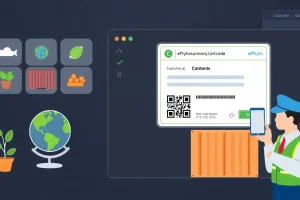
IQFAST (Indonesia’s ePhyto system)
Definition: Indonesia’s electronic phytosanitary certificate issuance and transmission system, operated by Badan Karantina Indonesia (Barantin).
Context: Online portal where exporters submit PC applications, arrange inspection, receive electronic certificates, and can transmit them via IPPC ePhyto Hub to destination NPPOs.
For exporters: If exporting from Indonesia, IQFAST is your primary interface. Must register account, submit applications with commodity details, track inspection status, and receive e-phytos.
Related: Barantin, phytosanitary certificate, electronic certificate, ePhyto Hub.
Irradiation (Phytosanitary irradiation)
Definition: Phytosanitary treatment using ionizing radiation (gamma rays, X-rays) to damage pest reproductive systems, preventing emergence to adult stage (ISPM 18, 28).
Context: No chemical residue. Commodity is not radioactive after treatment. Fast (2–4 hours). Excellent for commodity quality. Generic doses approved: 150 Gy for Tephritidae (fruit flies), 400 Gy for most insects.
For exporters: Growing in availability in Asia. Limited facilities in Indonesia as of 2026, but industry forecasts 8–12% annual growth. Higher cost (USD 800–2,000 per container) but fast and widely accepted. See Pillar 6: Treatments.
Related: Phytosanitary treatment, disinsection, ISPM 18, Gray (Gy).
ISPM (International Standard for Phytosanitary Measures)
Definition: Official international standard developed by IPPC and adopted by the Commission on Phytosanitary Measures (CPM), specifying procedures for phytosanitary measures.
Context: There are 47+ adopted ISPMs (as of March 2026) covering inspection, sampling, certificates, treatments, pest-free areas, etc. All countries should harmonize their regulations per ISPMs.
For exporters: ISPMs are the rulebook. When in doubt about a requirement, cite the relevant ISPM to the NPPO. See Pillar 5: ISPM Standards.
Related: IPPC, CPM, standard-setting, phytosanitary measures.
J
Jurisdiction (Phytosanitary jurisdiction)
Definition: The geographical area or territorial scope under the official authority of an NPPO for plant protection matters.
Context: Each country’s NPPO has jurisdiction over its territory. Some countries have regional NPPOs (states, provinces) with delegated authority.
For exporters: Barantin has jurisdiction over all of Indonesia. Inspection and certification are authorized by Barantin nationwide.
Related: NPPO, authority, certification scope.
L
Laboratory Testing (Laboratory analysis)
Definition: Official testing by an accredited laboratory to detect or identify pests (especially pathogens, nematodes, or pests not detectable by visual inspection) using standardized diagnostic methods.
Context: Used when visual inspection alone is insufficient (e.g., seed-borne fungi, nematodes). Requires ISPM 27 diagnostic protocols or ISPM 5 definitions.
For exporters: Lab testing can add 5–14 days to inspection timeline and increases costs (USD 50–500+ per test depending on test type). Required for high-risk commodities (seeds, plants for planting).
Related: Inspection, diagnostic protocol, testing procedures.
Larva (plural: larvae)
Definition: Immature stage of insects with complete metamorphosis (e.g., fruit flies, beetles).
Context: Often the most tolerant life stage to heat/cold treatment. Phytosanitary treatments must achieve high efficacy against larvae to be approved.
For exporters: When an inspector finds larvae in your sample, your shipment is likely infested and must be rejected or treated.
Related: Pest life stages, infestation, eggs, pupae, adults.
Lot (Consignment lot)
Definition: A uniform group of units of a single commodity, identifiable by homogeneity of composition, origin, production date, etc., forming part of a consignment (ISPM 5).
Context: Consignment may contain one or more lots. Sampling intensity can differ by lot.
For exporters: Clearly identify lot boundaries. If one lot is rejected, others may proceed if they meet requirements.
Related: Consignment, sampling, identity check.
M
Maximum Residue Level (MRL)
Definition: The highest concentration of a chemical residue (pesticide, etc.) permitted in a food or plant product under specific food safety regulations.
Context: Not technically a phytosanitary measure (it’s food safety), but overlaps. Example: EU sets MRL of 0.01 ppm for certain pesticides on fruit.
For exporters: Even if phytosanitary requirements are met, commodities can be rejected at destination if they exceed importing country’s MRL. Check MRL requirements alongside phytosanitary requirements.
Related: Food safety, pesticide residues, import requirements.
Mediterranean Fruit Fly (Medfly, Ceratitis capitata)
Definition: Quarantine pest affecting hundreds of fruit species; A1 in many countries, A2 in some.
Context: High-value phytosanitary concern. Multiple approved treatments: cold treatment (18 days), vapor heat (2–4 hours), irradiation (100 Gy). Regional eradication programs active in California, Florida, etc.
For exporters: If exporting fruit to medfly-free regions (USA non-southern areas, Europe, Japan), cold treatment, VHT, or irradiation is common. See Pillar 3: Pests and Pillar 6: Treatments.
Related: Tephritidae, quarantine pest, treatment protocols.
Methyl Bromide (MB)
Definition: Broad-spectrum fumigant gas (CH₃Br) used as phytosanitary treatment, but phasing out globally due to ozone-depleting potential (ODP = 0.6).
Context: Highly effective against most insect pests. Montreal Protocol and Clean Air Act mandate phase-out in developed nations by ~2030. QPS (quarantine and pre-shipment) exemptions currently granted but being curtailed.
For exporters: MB still used but declining. EU no longer accepts MB-treated goods. If you currently use MB, plan transition to alternatives (sulfuryl fluoride, VHT, irradiation). See Pillar 6: Treatments.
Related: Fumigation, phytosanitary treatment, Montreal Protocol, alternatives.
Montreal Protocol (Ozone Protocol)
Definition: International treaty (1987) to protect the ozone layer by phasing out ozone-depleting substances (ODS), including methyl bromide.
Context: Signatories commit to reduce and eliminate ODS. Methyl bromide phase-out timeline varies: developed nations ~2030, developing nations longer.
For exporters: MB restrictions are driven by Montreal Protocol. This affects your treatment options. Invest in non-MB alternatives to future-proof your operations.
Related: Methyl bromide, fumigation alternatives, environmental regulation.
N
Nematode
Definition: Microscopic roundworm, some species are regulated pests (e.g., root-lesion nematodes, cyst nematodes).
Context: Cannot be detected visually. Requires laboratory testing (soil or plant tissue analysis). Present in seeds, plants for planting, and soil/growing media.
For exporters: If exporting seeds, plants, or growing media, nematode testing may be mandatory. Adds 5–14 days and costs USD 100–300 per test.
Related: Pathogen, laboratory testing, seeds for planting.
NPPO (National Plant Protection Organization)
Definition: The official government agency responsible for plant health, quarantine, and phytosanitary measures in a country (ISPM 5, 7).
Context: Each IPPC member country has one primary NPPO. In Indonesia: Badan Karantina Indonesia (Barantin). In USA: USDA APHIS. In EU: National authority of each member state.
For exporters: Your NPPO issues phytosanitary certificates. Destination NPPOs enforce import requirements. Cooperation with NPPOs is essential.
Related: Barantin, APHIS, phytosanitary authority, certification.
O
Official (Official control, official inspection)
Definition: Any inspection, testing, or control conducted or authorized by the NPPO (ISPM 5).
Context: Must follow standardized procedures (ISPM 23, 31, etc.). Carried out by authorized officers only. Results are binding.
For exporters: When Barantin conducts an inspection, it is “official” and carries legal authority. Non-official inspections (e.g., buyer’s private inspection) are not phytosanitary certification.
Related: NPPO, authorized officer, inspection, ISPM 23.
Oriental Fruit Fly (Bactrocera dorsalis, B. dorsalis)
Definition: Highly polyphagous quarantine pest affecting 400+ host plants including mango, papaya, guava. A1 in many countries, endemic in Indonesia.
Context: Most destructive fruit fly in Southeast Asia. Causes rapid fruit decay. Approved treatments: vapor heat (46–47°C), irradiation (150 Gy), and area suppression via systems approach.
For exporters: If exporting tropical fruit (mango, papaya, guava) from Indonesia to strict markets (Japan, EU, USA), VHT or irradiation is standard. See Pillar 3: Pests and Pillar 6: Treatments.
Related: Bactrocera, fruit fly, Tephritidae, treatment protocols.
P
Pathogen
Definition: Any organism (fungus, bacterium, virus, nematode) that causes disease in plants (ISPM 5).
Context: Regulated pathogens are subject to phytosanitary measures. Examples: Xylella fastidiosa (Pierce’s disease), Fusarium TR4, potato viruses.
For exporters: Pathogen testing (especially for seeds and plants for planting) is often required. Laboratory testing is the only detection method.
Related: Disease, regulated pest, laboratory testing.
Pathway (Pest pathway)
Definition: Any means by which a pest (insect, pathogen, etc.) could be introduced into or spread within an area (ISPM 5).
Context: Pathways include: live plants, fresh fruit, seeds, wood, soil, water, containers, vehicles. Phytosanitary measures target pathways to intercept pests before they enter.
For exporters: Your commodity is potentially a pathway for pests. Phytosanitary requirements exist to mitigate pathway risk. Comply with requirements to prove your commodity is a safe pathway.
Related: Pest risk, entry risk, quarantine.
Pest (Quarantine pest, regulated pest)
Definition: Any species, strain, or biotype of plant, animal, or pathogenic agent injurious to plants or plant products (ISPM 5).
Context: Includes insects, mites, pathogens, nematodes, weeds, mollusks. “Quarantine pest” = of phytosanitary concern at country borders. “Regulated pest” = subject to phytosanitary measures.
For exporters: Compliance depends on knowing which pests are regulated for your commodity in destination markets. See Pillar 3: Pests.
Related: A1 pest, A2 pest, quarantine pest, regulated pest.
Pest-Free Area (PFA)
Definition: An area officially recognized and verified to be free from a specified pest, meeting criteria for recognition by destination NPPO (ISPM 4, 26, 29).
Context: Allows export without treatment. Requires ongoing monitoring, surveillance, and verification. Example: USA has recognized pest-free areas for Mediterranean fruit fly and some other pests.
For exporters: If your production area is PFA-certified for a target pest, you can export without treatment, saving time and cost. Requires bilateral agreement and continuous compliance with monitoring protocols.
Related: Area of low pest prevalence (ALPP), exclusion strategy, treatment exemption.
Pest-Free Place of Production (PFPP)
Definition: A place of production (orchard, greenhouse, etc.) recognized as meeting criteria for freedom from a specified pest (ISPM 10).
Context: Similar to PFA but applies to a specific facility rather than a region. Requires dedicated production area, isolation, and monitoring.
For exporters: PFPP certification allows export without treatment from that facility. Less costly than area certification; more focused.
Related: Pest-free area, production site, monitoring, certification.
Pest-Free Production Site (PFPS)
Definition: A production site with controlled conditions (enclosed greenhouse, isolation, strict pest management) ensuring freedom from a specified pest.
Context: Used for high-value, high-risk commodities (plants for planting, seeds). Requires documented pest management protocols.
For exporters: PFPS allows export of otherwise high-risk commodities. Requires investment in infrastructure and documentation.
Related: Pest-free place of production, plants for planting, controlled conditions.
Pest List (Regulated pest list, A1 list, A2 list)
Definition: Official list of pests regulated by an NPPO or regional organization (EPPO, APPPC, ASEAN, etc.), categorized by quarantine status (A1, A2, RNQP, etc.).
Context: Lists are published annually and updated as new pests are identified or regulatory status changes. Example: EPPO (European and Mediterranean Plant Protection Organization) maintains A1, A2, and RNQP lists.
For exporters: Before export, check destination’s pest list for your commodity. Ensure you know which pests are regulated and at what level (A1, A2, etc.).
Related: A1 pest, A2 pest, RNQP, quarantine pest, EPPO.
Phytosanitary Certificate (PC)
Definition: Official certificate issued by the NPPO of the exporting country certifying that the consignment meets phytosanitary requirements of the importing country (ISPM 12).
Context: Legal document proving plant health compliance. Must follow ISPM 12 template. Valid 7–30 days depending on commodity and destination.
For exporters: THE critical document for export. Without it, shipment cannot clear customs. See Pillar 1: Phytosanitary Certificates.
Related: ISPM 12, NPPO, certification, export requirements.
Phytosanitary Measures
Definition: Any legislation, regulations, or official procedures applied to prevent introduction or spread of regulated pests (ISPM 1).
Context: Includes certification, inspection, treatment, area recognition, regulated articles restrictions, etc. Based on pest risk analysis (PRA).
For exporters: Comply with all phytosanitary measures your destination requires. They exist to protect importing country’s agriculture.
Related: ISPM 1, pest risk analysis, WTO SPS Agreement.
Phytosanitary Risk (Pest risk)
Definition: The probability of introduction or establishment of a regulated pest and its potential economic, environmental, or social consequences (ISPM 2, 11).
Context: Quantified via pest risk analysis (PRA). Risk determines regulatory stringency. High-risk pathways → stricter measures.
For exporters: Understand the pest risk profile of your commodity-destination combination. Higher risk = more measures required.
Related: Pest risk analysis, phytosanitary measures, quarantine level.
Plants for Planting
Definition: Any plant (or plant parts) intended for propagation, establishment, or growth (seeds, seed potatoes, cuttings, tissue culture plants, bulbs, tubers).
Context: Highest regulatory category (Category 4, ISPM 32). Highest pest risk because they will grow and reproduce in destination. Strictest requirements: testing, certification, often post-entry quarantine.
For exporters: If exporting plants for planting, budget significant lead time (2–4 weeks), lab testing costs (USD 100–500 per test), and possible quarantine facility requirements.
Related: Propagation, seeds, ISPM 36, ISPM 38.
PNBP (Payment code)
Definition: Indonesia’s billing code (Penerimaan Negara Bukan Pajak = non-tax government revenue) used to pay inspection and certification fees to Barantin.
Context: Generated in IQFAST system after inspection approval. Exporter pays via banking channels (transfer). Only after payment is PC issued.
For exporters: In Indonesia export workflow: inspection → approval → PNBP generated → pay → PC issued. Payment is mandatory and non-negotiable.
Related: IQFAST, Barantin, phytosanitary certificate, inspection fees.
Prior Notice
Definition: Advance notification to importing country’s NPPO (or border authority) of incoming shipment, required by some countries before arrival (ISPM 25, CPM decisions).
Context: Recently implemented by some countries (e.g., Indonesia June 2025) or long-standing (USA APHIS for certain commodities). Format and timing vary.
For exporters: Check if destination requires prior notice. Submit electronically if required. Non-compliance can result in border hold.
Related: Import requirements, border procedures, APHIS, IQFAST.
Prohibited Article (Prohibited commodity)
Definition: A plant, plant product, or other regulated article not permitted to enter a territory under any circumstances, or only under strict conditions (ISPM 5).
Context: Examples: Certain plant species are prohibited to EU, USA, or other countries due to high pest risk. Some countries prohibit all unprocessed plant material.
For exporters: Verify your commodity is not prohibited in destination. If prohibited, export is impossible regardless of treatment or certification.
Related: Import restrictions, quarantine, regulated articles.
Pupa (plural: pupae)
Definition: Immobile life stage of insects undergoing metamorphosis, between larval and adult stages.
Context: Often the most tolerant life stage to phytosanitary treatments. Treatment protocols must specify efficacy against pupae.
For exporters: Inspectors look for pupae as sign of infestation. If found, shipment is rejected or must be re-treated.
Related: Pest life stages, larvae, adults, eggs.
Q
Quarantine (Official quarantine)
Definition: Official isolation of a consignment in a designated place to prevent entry or spread of a regulated pest (ISPM 5).
Context: If shipment fails inspection, it may be placed in quarantine (held) pending re-treatment or re-inspection. Also, some countries require post-entry quarantine (PEQ) for high-risk plants.
For exporters: Quarantine causes delays (2–7+ days) and costs (facility fees, re-treatment). Avoid by ensuring compliance before export.
Related: Inspection, detention, rejection, post-entry quarantine.
Quarantine Pest
Definition: A pest of phytosanitary importance for one or more areas where it does not occur (A1 pest) or where it is present but not widely distributed (A2 pest) (ISPM 5).
Context: The most serious category of regulated pest. A1 = exclusion; A2 = suppression. Zero tolerance or very low tolerance.
For exporters: Quarantine pests are the focus of phytosanitary measures. Avoid them entirely in your commodity. See Pillar 3: Pests.
Related: A1 pest, A2 pest, regulated pest, quarantine.
R
Rejection (of a consignment)
Definition: Official decision that a consignment does not meet phytosanitary requirements and cannot be imported; must be re-exported, treated, or destroyed.
Context: Final decision. No appeal possible at border (though administrative appeal to NPPO is theoretically possible, rarely succeeds).
For exporters: Rejected consignment = major financial loss, time delay, and possible flagging for enhanced inspection on future shipments. Avoid by meticulous compliance.
Related: Detention, acceptance, compliance, non-compliance.
Regulated Article (Regulated commodity)
Definition: A plant, plant product, or other object regulated under phytosanitary measures (ISPM 5).
Context: Includes plants, fruit, seeds, wood, growing media, soil, containers, and equipment that could harbor pests.
For exporters: If your commodity is a regulated article, phytosanitary measures apply. Know the requirements before export.
Related: Phytosanitary measures, commodity, import requirements.
Regulated Non-Quarantine Pest (RNQP)
Definition: A non-quarantine pest (present in importing country) that is regulated for presence above a specified level in plants for planting, affecting their intended use (ISPM 5, 21).
Context: Lower-risk category than quarantine pests. Some tolerance levels permitted (e.g., X% infection rate acceptable).
For exporters: If RNQP applies to your commodity, check tolerance levels. May allow shipment without complete pest absence, but within specified limits.
Related: Quarantine pest, pest tolerance, ISPM 21.
Re-export
Definition: Exportation of an imported commodity from one country to another (ISPM 7, 12).
Context: Re-exported commodity may already have PC from origin; re-exporting country must verify still-valid PC or issue new one.
For exporters: If you import and then re-export, arrange PC for re-export (PPQ 579 in USA, or equivalent in your country).
Related: Phytosanitary certificate, re-export certificate, origin certification.
Reinfestation (Post-treatment reinfestation)
Definition: Pest infestation recurring after a commodity has been treated and before it arrives at destination.
Context: Risk during transport if commodity is exposed to pest sources. Prevention: sealed, clean transport, rapid movement.
For exporters: After treatment, maintain hermetic sealing and clean transport to prevent reinfestation. Any sign of reinfestation = rejection.
Related: Treatment, infestation, transport security.
Residue (Pesticide residue, chemical residue)
Definition: Trace amount of pesticide or other chemical remaining on or in a commodity after application.
Context: Food safety (MRL) issue, not directly phytosanitary, but often checked at same border inspection.
For exporters: If treatments involve pesticides (as opposed to non-chemical treatments like heat or cold), residue may be an issue. Check importing country’s MRL limits.
Related: MRL, pesticide, food safety, treatment.
Risk Analysis (Pest risk analysis, PRA)
Definition: Formal scientific process to evaluate whether a pest poses a phytosanitary risk and what measures are needed to manage it (ISPM 2, 11, 21).
Context: Justifies all phytosanitary regulations. Countries must conduct PRA for new pests or to revise regulations.
For exporters: Understanding PRA helps you understand why a requirement exists. If you believe a requirement is unjustified, PRA discussion is the technical venue.
Related: ISPM 11, phytosanitary measures, technical justification.
RNQP
See Regulated Non-Quarantine Pest above.
S
Sampling (Phytosanitary sampling)
Definition: Official selection of units from a consignment for detailed inspection or testing to determine pest status (ISPM 31).
Context: Statistical process. Sample size based on lot size, pest risk, and desired confidence level. Methodology in ISPM 31.
For exporters: Sampling is part of inspection. Size varies: 1–5% for low-risk, 5–10% for higher-risk commodities. See Pillar 7: Inspection.
Related: Inspection, ISPM 31, statistical methodology.
Sanitary and Phytosanitary Measures (SPS)
Definition: Measures applied to protect human, animal, or plant health (including from pests, diseases, and contaminants).
Context: Broader category than phytosanitary measures alone. Includes food safety (sanitary) + plant health (phytosanitary) + animal health measures.
For exporters: WTO SPS Agreement governs these measures globally. Legitimate SPS measures are exempt from WTO trade rules, but must be science-based and non-discriminatory.
Related: WTO SPS Agreement, phytosanitary measures, plant health.
Silo (Website silo structure)
Definition: In website architecture, a thematic grouping of related content organized hierarchically to improve SEO and user experience.
Context: phytosanitary.info is structured in 8 silos: Certificates, Quarantine, Pests, Commodities, ISPMs, Treatments, Compliance, and Tools/Glossary.
For exporters: This glossary (and the 7 pillars) are organized by silo for logical navigation.
Related: Website structure, content organization, pillar articles.
Soil (Plant-growing soil, growing media)
Definition: Earth or growing medium, often a regulated article because it can harbor soil-borne pests (nematodes, pathogens, seeds of prohibited plants).
Context: Can be prohibited, restricted, or require treatment/testing in many countries.
For exporters: If exporting plants (bare-root or in soil), soil compliance is mandatory. Document origin and treatment of soil.
Related: Growing media, regulated article, nematode, pathogen.
Specification, Treatment Specification
Definition: Detailed parameters of a phytosanitary treatment (temperature, time, dose, concentration, duration) required for efficacy against a specified pest (ISPM 28).
Context: Treatment facilities must follow specification exactly. Deviations may invalidate treatment efficacy claim.
For exporters: When arranging treatment, specify the exact treatment protocol (e.g., “Vapor heat 47°C for 30 minutes per ISPM 28 PT 21 for Oriental fruit fly on papaya”). Confirm facility can meet it.
Related: Phytosanitary treatment, efficacy, ISPM 28.
Suppression (Pest suppression)
Definition: Phytosanitary measure reducing pest population levels such that they remain below a threshold of economic impact (ISPM 1, 5).
Context: Strategy for A2 pests (already established). Goal: reduce, not eliminate. Ongoing monitoring required.
For exporters: If your production area is under pest suppression program (e.g., fruit fly suppression via sterile release), comply with monitoring and control measures.
Related: Containment, eradication, exclusion, A2 pest, pest management.
T
Tephritidae (Fruit flies)
Definition: Family of insects including Mediterranean fruit fly (Medfly), Oriental fruit fly, Mexican fruit fly, and hundreds of other economically important species.
Context: Most important quarantine pests for fruit trade. Multiple approved phytosanitary treatments available.
For exporters: If exporting fruit to any strict market, Tephritidae pest control is likely a requirement. See Pillar 3: Pests and Pillar 6: Treatments.
Related: Fruit fly, Mediterranean fruit fly, Oriental fruit fly, quarantine pest.
Technical Justification (Scientifically justified)
Definition: Requirement that all phytosanitary measures be based on pest risk analysis (PRA) and sound scientific reasoning, not arbitrary or protectionist (ISPM 1, WTO SPS Agreement).
Context: All measures must have scientific basis. Countries cannot regulate a pest without evidence that it poses risk.
For exporters: If a requirement seems unreasonable, ask for the PRA or technical justification. Not all NPPOs are transparent, but the principle exists internationally.
Related: Risk analysis, WTO SPS Agreement, non-discrimination.
Tissue Culture Plant (In vitro plant)
Definition: Plant grown from plant tissue in a laboratory under sterile, controlled conditions, free from pathogens.
Context: High-value, high-risk commodity (Category 4). Requires special packaging, handling, and sometimes post-entry quarantine.
For exporters: If exporting tissue culture plants, expect strict requirements including testing for viruses and other pathogens, and possible quarantine.
Related: Plants for planting, micropropagation, virus-free material.
Tolerance (Pest tolerance level, acceptable level)
Definition: The maximum number or percentage of a regulated pest (especially RNQP) acceptable in a consignment for it to meet import requirements.
Context: Some pests have zero tolerance (quarantine pests). Others have defined tolerance levels (e.g., “no more than 2% with specific damage”).
For exporters: Understand tolerance levels for your commodity-destination-pest combination. They directly affect your inspection outcome.
Related: Pest level, sampling, acceptance level, RNQP.
Transit (Consignments in transit)
Definition: Movement of a regulated article through one country to another without being released into the importing country’s commerce (ISPM 25).
Context: Transited commodity stays sealed, under Customs custody. Different (usually less strict) requirements than imported commodity.
For exporters: If re-exporting through another country (e.g., exporting from Indonesia via Singapore to USA), transit procedures may apply if you declare transit status.
Related: Re-export, import requirements, Customs procedures.
Transparency (Phytosanitary transparency)
Definition: Principle that NPPOs must publish regulations, requirements, and procedures in advance to allow importers/exporters to prepare (ISPM 1, WTO SPS Agreement).
Context: Countries cannot impose secret requirements. All measures must be published, notified, and allow reasonable implementation time.
For exporters: Demand transparency from NPPOs. If requirements are not published, request clarification in writing.
Related: WTO SPS Agreement, technical justification, non-discrimination.
Treatment (Phytosanitary treatment)
Definition: Any procedure applied to a regulated article to eliminate or reduce pest populations to an acceptable level (ISPM 28).
Context: Includes fumigation, heat treatment, cold treatment, irradiation, and emerging alternatives. Treatments are approved via ISPM 28 process.
For exporters: Arrange treatment if required by destination. Choose treatment based on commodity type, pest, and facility availability. See Pillar 6: Treatments.
Related: Disinfection, disinsection, ISPM 28, efficacy.
U
Unauthorized Alteration (of a phytosanitary certificate)
Definition: Any change, erasure, or modification to a phytosanitary certificate made without authorization from the issuing NPPO.
Context: Serious violation. Certificate with unauthor alterations is void. Grounds for rejection of shipment and possible investigation.
For exporters: Never alter a PC yourself. If corrections needed, request new certificate from NPPO.
Related: Certificate integrity, fraud, ISPM 12.
Uncontrolled Release (of a shipment)
Definition: Permitting a consignment to enter commerce without verification that phytosanitary requirements have been met.
Context: Violation of IPPC. Importing country’s NPPO must verify compliance before allowing entry to commercial distribution.
For exporters: Ensure your shipment is inspected and cleared by destination NPPO before release to market.
Related: Inspection, import procedures, NPPO authority.
V
Vapor Heat Treatment (VHT)
See Heat Treatment above.
Verification (Phytosanitary verification)
Definition: Process by which an NPPO confirms that a pest-free area, production site, or treatment has been properly implemented and remains effective (ISPM 4, 8, 29).
Context: Ongoing process. Regular inspection and monitoring required to maintain recognition.
For exporters: If you hold pest-free area or pest-free production site status, expect regular verification visits from NPPO.
Related: Pest-free area, monitoring, certification, compliance.
Visual Examination
Definition: Part of phytosanitary inspection involving observation of a commodity for visible signs of pests, disease, or non-compliance (ISPM 23).
Context: Inspector looks for: live insects, dead insects, frass, entry holes, mold, decay, damage. Basis for many inspection decisions.
For exporters: Ensure commodity is clean, well-packaged, and free of visible defects before inspection. Poor presentation invites more intensive sampling.
Related: Inspection, sampling, ISPM 23.
W
WTO SPS Agreement (Agreement on the Application of Sanitary and Phytosanitary Measures)
Definition: International trade agreement (1994) requiring that SPS measures (sanitary and phytosanitary) be science-based, non-discriminatory, and harmonized with international standards (IPPC, ISO, etc.).
Context: All phytosanitary requirements should comply with SPS Agreement principles. Violating measures are subject to WTO dispute resolution.
For exporters: If you believe a phytosanitary requirement is unreasonable or discriminatory, SPS Agreement provides a mechanism to challenge it through your government’s trade authority.
Related: IPPC, ISPMs, technical justification, non-discrimination, international standards.
X
Xylella fastidiosa
Definition: Bacterium causing serious plant diseases (Pierce’s disease in grape, olive leaf scorch, etc.); regulated at A1 level in many regions.
Context: No cure exists. Insects transmit it. Major threat to EU agriculture. Movement of infected plants/propagation material is prohibited.
For exporters: If you export plants or plant propagation material (cuttings, seeds) to regions where Xylella is A1, Xylella-free status is mandatory.
Related: Quarantine pathogen, A1 pest, bacteria, plant disease.
Y
(No standard phytosanitary terms starting with Y)
Z
Zone (Phytosanitary zone, Protected zone)
Definition: Designated geographical area with specific pest status recognized for phytosanitary purposes (ISPM 4, 5).
Context: Example: EU has protected zones where certain pests are prohibited; trade from affected areas restricted.
For exporters: If your production area is in a protected zone for a pest, you cannot export to that zone without meeting special requirements (treatment, documentation, etc.).
Related: Pest-free area, protected zone, zone status, pest regulation.
Quick-Reference Acronym Guide
| Acronym | Meaning | Reference |
|---|---|---|
| A1 | Absent quarantine pest | Pillar 3 |
| A2 | Present but regulated quarantine pest | Pillar 3 |
| ALPP | Area of Low Pest Prevalence | — |
| APHIS | USDA Animal & Plant Health Inspection Service | — |
| Barantin | Badan Karantina Indonesia (Indonesia’s NPPO) | — |
| CITES | Convention on International Trade in Endangered Species | — |
| CoO | Certificate of Origin | — |
| CPM | Commission on Phytosanitary Measures | Pillar 5 |
| DP | Diagnostic Protocol | — |
| ePhyto | Electronic Phytosanitary Certificate | Pillar 1 |
| EPPO | European and Mediterranean Plant Protection Organization | Pillar 3 |
| FPA/PFA | Pest-Free Area | — |
| Gy | Gray (radiation dose unit) | Pillar 6 |
| HS Code | Harmonized System Code | — |
| IPPC | International Plant Protection Convention | Pillar 5 |
| IQFAST | Indonesia’s ePyto system | — |
| ISPM | International Standard for Phytosanitary Measures | Pillar 5 |
| MRL | Maximum Residue Level | — |
| MB | Methyl Bromide | Pillar 6 |
| NPPO | National Plant Protection Organization | — |
| PC | Phytosanitary Certificate | Pillar 1 |
| PFA | Pest-Free Area | — |
| PFPP | Pest-Free Place of Production | — |
| PFPS | Pest-Free Production Site | — |
| PRA | Pest Risk Analysis | Pillar 5 |
| QPS | Quarantine and Pre-Shipment | — |
| RNQP | Regulated Non-Quarantine Pest | Pillar 3 |
| SPS | Sanitary and Phytosanitary Measures | Pillar 5 |
| VHT | Vapor Heat Treatment | Pillar 6 |
| WTO | World Trade Organization | Pillar 5 |
How to Use This Glossary
- Search by term: Alphabetical order for quick lookup.
- Cross-reference: See “Related” section at bottom of each entry to link to connected terms.
- Find pillar connections: See which of the 7 pillars covers each term in detail.
- ISPM references: Each entry cites relevant ISPM for official definition.
- Exporter context: Practical guidance for each term explaining implications for your export workflow.
Terms Last Updated
31 July 2026. Based on ISPM 5 (2024), ISPMs 1–47, and current industry practice. New terms may be added as ISPMs are revised.
This glossary is a living reference. For official definitions, consult ISPM 5 (Glossary of Phytosanitary Terms, 2024 edition) at https://www.ippc.int
FAQ
Do I need a phytosanitary certificate for every plant product?
Yes, most live plants, seeds, cut flowers, and many processed plant products require a phytosanitary certificate unless the importing country specifically exempts them.
How often are pest risk analyses updated?
A PRA should be reviewed whenever there is a change in the source area, commodity variety, production practice, or when new pest information becomes available.
Can I use a digital phytosanitary certificate?
Many countries now accept electronic PCs via the ePhyto system, but you must confirm the destination’s acceptance policy before submission.





Leave a Reply