What Are Tolerance Levels for A2 Pests and How Are They Determined?
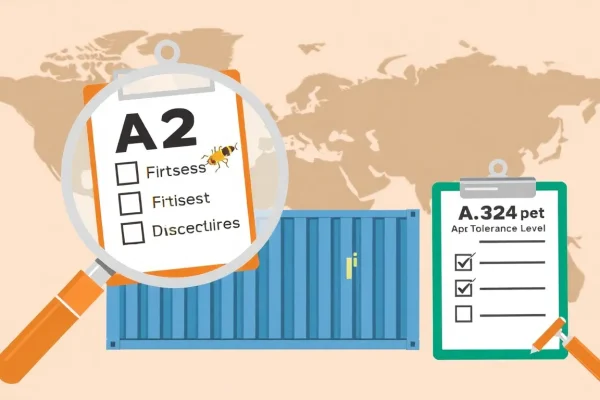
Learn what tolerance levels mean for A2 pests, why they matter to trade, how regulators set them, and the steps exporters must follow to avoid costly rejections.
The plain-English guide to phytosanitary trade rules
Learn what tolerance levels mean for A2 pests, why they matter to trade, how regulators set them, and the steps exporters must follow to avoid costly rejections.
A comprehensive guide on the most prevalent coffee pests in Indonesia, their impact on trade, and the latest prevention and treatment measures required for smooth export and import.
Rising temperatures and shifting weather patterns are moving quarantine pests into new territories, creating fresh compliance challenges for exporters and importers. This guide explains the science, regulatory fallout, and practical steps to keep global trade moving safely.
What A1 and A2 pests are, how quarantine pest lists work, the difference between quarantine and regulated non-quarantine pests, and how to find your commodity’s requirements.
A quarantine pest is a plant‑health organism that is not present in a country, or is present only under strict control, and whose introduction could cause serious economic or environmental damage. This guide explains what quarantine pests are, why they matter, and how exporters and importers can stay compliant.
The Khapra beetle is one of the world’s most destructive stored‑product pests. This guide explains its biology, regulated status, required documentation, and practical steps to avoid costly shipment rejections.
Comprehensive guide on fruit fly quarantine protocols, regulatory standards, and treatment requirements for international plant health trade compliance.
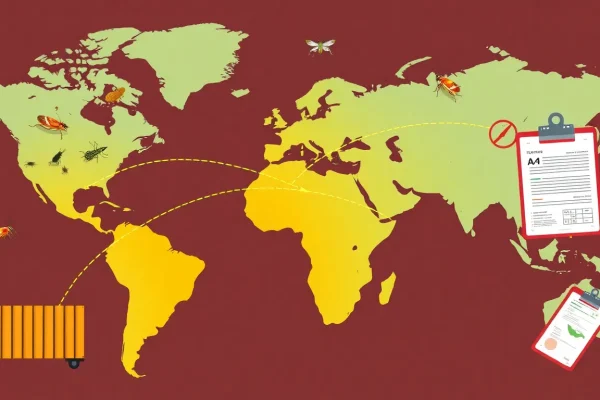
Understand the critical differences between A1 and A2 pest lists in international trade. Learn how these classifications impact phytosanitary certification, import procedures, and compliance requirements for exporters and importers.