
Short Answer
Quick definition
A phytosanitary inspection is an official examination of a commodity before export (or at import) to verify that it meets the phytosanitary requirements of the importing country. <cite index=”205-1″>An inspection is defined as official visual examination of plants, plant products or other regulated articles to determine if pests are present or to determine compliance with phytosanitary regulations.</cite> <cite index=”206-1″>Inspection is based on visual examination, documentary checks, and identity and integrity verification, and inspection results allow the inspector to decide whether to accept, detain or reject the consignment, or whether further analysis is required.</cite> The inspection happens before your commodity ships; its outcome — approval or rejection — directly controls whether your shipment can leave the country.
Overview
Many exporters view the phytosanitary inspection as a bureaucratic checkbox. It’s not. It’s the critical gate between your product and the destination market. An inspection can be completed in 24–48 hours, or it can stall for weeks. A passed inspection = phytosanitary certificate issued = shipment clears customs. A failed inspection = quarantine, re-treatment, destruction, or export ban for repeat offenders.
<cite index=”207-1″>The NPPO (National Plant Protection Organization) has responsibility for inspection, and inspections are carried out by the NPPO or under its authority, with the goal of preventing introduction or establishment of regulated pests in consignments of plants and plant products moving in international traffic.</cite> The exporter doesn’t control the inspector’s decision, but exporters can control preparation — documentation quality, commodity condition, packaging compliance — which directly influences inspection speed and outcome.
For exporters like those in Indonesia exporting fresh fruit, coffee, or other regulated commodities, understanding the inspection process means the difference between hitting a vessel cutoff and missing it entirely.
Why it matters
A failed inspection costs thousands. A 20-foot container of mango is scheduled to sail tomorrow. Inspection finds live insects in 10% of samples — consignment rejected. Your options: fumigate on the spot (USD 800 + 24 hours), export the good portion and lose the rest, or don’t ship. A day’s delay misses the vessel. The fruit ripens in storage. Spoilage occurs. Contract breached. Importer cancels the order.
Inspections are also the mechanism that importing countries use to enforce plant health. If an exporter’s products repeatedly fail inspection, that exporting country’s name goes on the importer’s “alert list” — flagged for extra scrutiny on all future shipments. This means every container gets opened, sampled, and checked more intensively, adding days and costs to every export.
Understanding the inspection process lets you prepare correctly, pass cleanly, and export on schedule.
The five-step inspection process (per ISPM 23)
Step 1: Pre-inspection documentation check
What happens: Before the inspector physically examines your commodity, they check your paperwork.
<cite index=”208-1″>Documentation checks verify that the consignment is accurately described by its documents and that identity and integrity are confirmed, including checking for seals, safety conditions and other relevant physical aspects of the shipment.</cite> The inspector verifies:
- Is there a commercial invoice with accurate commodity description?
- Does the packing list match the actual contents and weights?
- Are HS (Harmonized System) codes correct?
- Does the quantity match across all documents?
- Is the botanical/common name of the commodity correct?
- Are there any unauthorized erasures, alterations, or missing information?
Timeline: 30 minutes–2 hours (usually before physical inspection even begins).
Common failures:
- Mismatched quantities (invoice says 1,000 kg; packing list says 1,050 kg)
- Wrong HS code (e.g., “fresh fruit, NEC” instead of specific commodity)
- Missing botanical name or variety detail
- Expired or missing seals/certificates
- Inconsistent country of origin across documents
Outcome: If documents pass, inspection continues. If documents fail, shipment is detained for correction — this alone can delay 3–5 days if you’re in a different location than the inspector.
Step 2: Identity and integrity check
What happens: The inspector visually confirms that what’s in the container matches what your documents claim.
This includes:
- Opening sample cartons/bags to verify commodity type, grade, and condition
- Checking that packaging is sealed, clean, and undamaged
- Verifying that no unauthorized material (contaminants, stray items) is present
- Confirming the condition of the commodity (no visible rot, mold, or pest damage at bulk level)
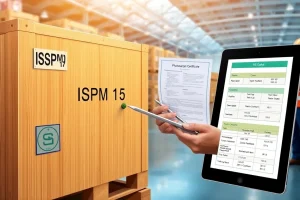
- Checking wooden packaging for ISPM 15 compliance (heat treatment mark, no bark)
- Verifying treatment documentation (fumigation cert, VHT report, irradiation records) if required
<cite index=”209-1″>Identity checks verify whether the type of plant or plant product or species is in accordance with documents and the phytosanitary certificate received or to be issued, which may require physical examination of the consignment to confirm the identity and integrity.</cite>
Timeline: 1–2 hours (depending on container size and sampling intensity).
Common failures:
- Commodity doesn’t match description (labeled “mango Kent” but contains “Arumanis”)
- Visible pest damage, mold, or decay at carton level
- Unmarked or untreated wooden pallets (ISPM 15 violation)
- Missing or illegible treatment documentation
- Packaging shows signs of tampering or contamination
Outcome: If identity and integrity pass, sampling inspection proceeds. If they fail, consignment is detained for sorting/correction or rejected.
Step 3: Visual examination and sampling
What happens: The inspector selects a sample of units (cartons, bags, etc.) from your lot and examines them for signs of pests or diseases.
<cite index=”210-1″>Sampling methodology depends on the specific inspection objective — whether to detect specified regulated pests to meet phytosanitary import requirements, pest detection relies on a probability of detecting the pest that meets the desired confidence level, based on the probability of detecting the pest, the number of units making up the lot, the desired confidence level, and the sample size.</cite>
The sample size depends on:
- Total units in the lot (a 1,000-carton container has a different sample size than a 50-carton lot)
- Pest risk profile (higher-risk commodities → larger samples)
- Regulatory requirement (some commodities require 5% sample; others 10%)
- Treatment status (treated commodities may require smaller samples than untreated)
Sampling methodology per ISPM 31: <cite index=”211-1″>ISPM 31 provides guidance on methodologies for sampling of consignments to determine if pests are present or if they exceed a specified tolerance level; sampling methods should be based on probability of detecting the pest and the desired confidence level.</cite>
Visual inspection procedure: For each sample unit, the inspector:
- Cuts into the fruit or product (for fresh commodities) to inspect interior for larvae, pupae, or eggs
- Examines exterior for signs of pest entry (small holes, frass marks)
- Notes any visible mold, decay, or contamination
- Records results on an inspection form
Timeline: 2–4 hours (depending on sample size and commodity type). A 20-foot container of mango with a 5% sample (50 cartons) can take 3–4 hours to inspect thoroughly.
Common findings leading to detention/rejection:
- Live insects found in any sample unit
- Evidence of larvae or pupae (even if dead, if treated, evidence of infestation before treatment is accepted)
- Mold or decay exceeding tolerance
- Soil/plant debris on commodity
- Unexplained staining or damage
Outcome: If no pests are found and visual exam passes, inspection proceeds to Step 4. If pests are found, the consignment is typically rejected, quarantined for re-treatment, or the infested units are sorted out.
Step 4: Laboratory testing (if required)
What happens: For certain commodities or pests, visual inspection alone is not sufficient. Laboratory tests (such as testing for seed-borne viruses, fungal pathogens, or nematodes) are required.
This typically applies to:
- Seeds and propagation material (highest risk)
- Potatoes and tubers (for seed pathogens)
- Dried products (for invisible pests like storage mites)
- Commodity-specific pathogens (e.g., coffee berry borer requires dissection/rearing in some cases)
<cite index=”212-1″>Laboratory testing is part of the inspection process for detecting pathogens or pests that cannot be reliably detected by visual examination; laboratories accredited by the NPPO analyze samples using standardized methods.</cite>
Timeline: 3–14 days (depending on test type and laboratory capacity). This is a major reason inspections can take 2+ weeks.
Common delays:
- Lab is backlogged (common in peak export seasons)
- Test requires incubation/rearing (detecting viable seed-borne fungi takes 7–10 days)
- Sample size is too small and lab requests re-sampling
Outcome: If test results are negative (pest/pathogen not found), certificate is issued. If positive, consignment is rejected or treated.
Step 5: Decision and certificate issuance
What happens: Based on all above steps, the inspector makes a decision: Accept, Detain, or Reject.
ACCEPT: The consignment meets all phytosanitary requirements. The NPPO issues a phytosanitary certificate (paper or electronic). The exporter can now legally export.
DETAIN: The consignment does not currently meet requirements but can be brought into compliance. Options:
- Re-treatment (fumigation, heat, etc.)
- Re-inspection after treatment
- Sorting out non-compliant units
- Correcting documentation
Timeline: 2–7 days depending on remedial action.
REJECT: The consignment cannot be brought into compliance or the non-compliance is too severe. Examples:
- Prohibited pest found with no approved treatment available
- Woody plant material with bark (prohibited from some countries)
- Consignment sourced from a banned region
- Chronic repeat non-compliance
Rejected commodities must be:
- Exported to a different market (if acceptable there)
- Re-worked/processed into a different form
- Destroyed
Common rejection reasons (from inspection findings)
<cite index=”213-1″>Common reasons for rejecting a phytosanitary certificate and/or requesting additional information include: illegible, incomplete, period of validity expired or not complied with, unauthorized alterations or erasures, conflicting or inconsistent information, use of wording inconsistent with the model, or certification of prohibited products.</cite>
At the inspection stage itself, consignments fail for:
| Reason | Example | Outcome |
|---|---|---|
| Pest found | Live Bactrocera dorsalis larvae in mango sample | Reject or detain for re-treatment |
| Mold/decay | Visible fungal growth in >2% of cartons | Detain for sorting or reject |
| Missing documentation | No fumigation certificate despite fruit is from pest area | Detain until certificate obtained or recertified |
| Wrong HS code | Coffee labeled “miscellaneous ground product” instead of “roasted coffee beans” | Detain for correction (24 hours) |
| Contamination | Plant debris or soil on exterior of cartons | Detain for re-cleaning/re-packaging |
| Damaged packaging | Torn carton liners, allowing insect entry | Detain for re-packing sample units |
| Unapproved treatment | Shipper claims chemical treatment not on approved list for target pest | Reject unless bilateral agreement exists |
| Packaging violation | Unmarked wooden pallet used for palletizing (ISPM 15 violation) | Detain for re-palletizing on approved pallet |
Indonesia-specific inspection timeline and procedure
Indonesia’s Badan Karantina Indonesia (Barantin) manages pre-shipment inspection for exports. Recent updates (effective June 2025) clarify timelines:
<cite index=”214-1,215-1″>Phytosanitary certificates must be issued before vessel departure; if issued before departure, vessel must depart within 21 days of certificate issuance. If certificate is issued after vessel departure, shipment must have departed within 21 days of phytosanitary inspection. The inspection date must be stated on the phytosanitary certificate in the additional declaration field. USDA APHIS requires that phytosanitary certificate be issued within 30 days of phytosanitary inspection.</cite>
Typical Indonesia inspection workflow (for fruits, vegetables, coffee):
Day 1 (T-2 before vessel cutoff):
- Exporter submits application via IQFAST (Indonesia’s ePhyto system)
- Provides: commodity description, quantity, lot number, HS code, destination, origin details, treatment info (if applicable)
- Books inspection slot with Barantin warehouse
- Pays initial application fee (PNBP code generated)
Day 2 (T-1):
- 08:00 – Inspector arrives; documentation reviewed (1 hour)
- 09:00 – Physical inspection begins: open cartons, identity/integrity check (1–2 hours)
- 11:00 – Sampling and visual pest inspection (2–4 hours, depending on lot size and commodity)
- 14:00 – If all passes, inspector approves lot
- 15:00 – Exporter pays certificate fee via PNBP (generated after approval)
- 16:00 – Barantin generates e-phyto (electronic phytosanitary certificate) in IQFAST
- 17:00 – Exporter downloads e-phyto; printed original signed version available within 24 hours
<cite index=”216-1″>For fresh vegetables, typical timeline when documentation is clean and no treatment is required: Day 1 application and booking, Day 2 inspection and payment, Day 3 phytosanitary certificate issuance and vessel cutoff. Inspectors expect clean sorting areas, carton openings prepared, waste bags, and replacement liners ready before inspection begins.</cite>
If problems are found:
- Minor (e.g., documentation error): 24–48 hours to correct and re-inspect
- Moderate (e.g., high defect rate): Sort out affected units and re-inspect sorted portion (2–3 days)
- Severe (e.g., live pests found): Detain for fumigation (24–48 hours) + re-inspection = 3–5 days total
<cite index=”217-1″>Common reasons for inspection delays or failure in Indonesia: mismatched quantities or HS code across invoice, packing list, and IQFAST entries; wrong or missing additional declaration text; ISPM-15 issues on pallets (use stamped pallets only, no bark, no unmarked repairs); moisture >12.5% (for dried commodities); and live insects detected (requires immediate fumigation if present).</cite>
What happens if your shipment is rejected?
Option 1: Appeal/Re-inspection Request Barantin to re-inspect a portion of the commodity or to re-evaluate the findings. Success rate is low unless the original finding was clearly a clerical error.
Option 2: Treatment and Re-inspection If rejectable pests are found, arrange an approved treatment (fumigation, VHT, irradiation) and request re-inspection. Cost: USD 500–2,000 depending on treatment. Time: 3–7 days.
Option 3: Partial export Sort out the affected units and re-inspect the compliant portion. This salvages part of the shipment but often costs more in labor than the commodity is worth.
Option 4: Alternative market Export to a market with less stringent requirements for the failing pest. This is rarely viable for perishables with vessel schedules.
Option 5: Destroy or repurpose Non-compliant commodity is destroyed or used domestically (if destination not sold as export). Significant financial loss.
Long-term consequence: Repeated rejections from a single exporter flag that exporter’s name to the destination NPPO. Result: every future shipment from that exporter is subject to enhanced inspection — larger samples, lab testing, longer timelines. This can add USD 1,000–3,000 to export costs per shipment, indefinitely.
How to prepare for a clean inspection
Before inspection:
- Verify destination country’s phytosanitary requirements 3–4 weeks before export
- Ensure your commodity source meets requirements (pest-free area, treatment applied, etc.)
- Prepare accurate, complete documentation (commercial invoice, packing list, HS codes, botanical names)
- Arrange any required treatment (fumigation, heat, cold) 2+ weeks in advance
- Keep treatment certificates or reports on file
- Verify ISPM 15 compliance for all wooden packaging (stamps present, no bark)
- Clean and prepare the commodity immediately before inspection (no loose debris, clean cartons)
During inspection:
- Have inspector-ready area: clean, well-lit, with space to open cartons
- Have replacement carton liners, tape, markers ready (inspector may require re-sealing)
- Provide all documentation in easily accessible binder or folder
- Have treatment certificates, phytosanitary certificate from origin country (if re-export), and other relevant docs on hand
- Cooperate fully and answer inspector questions directly
- Do not resist sampling or re-sampling — this only delays the process
After inspection:
- If any minor corrections required, complete immediately
- Pay all fees promptly (delays payment = delays certificate issuance)
- Download e-phyto from IQFAST as soon as available; have printed original signed version before shipment
- Cross-check certificate details against your documentation (destination, commodity, HS code, treatment info, etc.)
- Ensure certificate is valid through shipment arrival date
Sources
- IPPC, ISPM 23 — Guidelines for Inspection (adopted 2005)
- IPPC, ISPM 31 — Methodologies for Sampling of Consignments (adopted 2008)
- IPPC, ISPM 7 — Phytosanitary Certification System (adopted 2011)
- IPPC, ISPM 12 — Phytosanitary Certificates (adopted 2022 revision)
- IPPC Inspection Guidelines and E-Learning Module (https://elearning.fao.org/course/view.php?id=1255§ion=8)
- USDA APHIS Foreign Agricultural Service — Indonesia Prior Notice and Phytosanitary Certificate Timelines (June 2025 guidance, effective June 4, 2025)
- USDA FAS — Indonesia Clarifies Prior Notice and Export Timing Requirements (February 2025 report)
- FAO Manual of Phytosanitary Inspection Procedures (2014, updated references)
- Indonesia Coffee Export License: 2025 Complete Guide (field-tested exporter procedures, timing verification)
- Indonesian Vegetables Export Documents: 2026 Checklist (Badan Karantina Indonesia procedures, real-world timelines)
- Badan Karantina Indonesia (Barantin) — IQFAST (electronic phytosanitary system) documentation and user guides
- SADC Regional Guide for Phytosanitary Import/Export Inspection and Decision Making (2022)
Last verified: 31 July 2026. Inspection procedures, timelines, and regulatory requirements change regularly. Always verify current requirements with your destination country’s NPPO and with Indonesia’s Badan Karantina Indonesia (Barantin) or IQFAST platform before finalizing export schedules.
FAQ
What is the minimum lead time to obtain a phytosanitary certificate?
Most NPPOs require at least 48 hours before loading, but exporters should request the certificate 5‑7 days in advance to accommodate any corrections.
Can a shipment be released if the wood packaging lacks the IPPC mark?
Generally no; most importing countries will detain or reject the consignment until compliant packaging is provided or the shipment is re‑exported.
How often should traceability data be audited?
A quarterly audit is recommended to ensure data integrity and to meet most regulatory requirements for record‑keeping.





Leave a Reply