Short Answer
When a shipment of plants, seeds, or plant products crosses an international border, the importing country’s plant‑health authority may place it under a phytosanitary quarantine hold. The cargo is detained until it can be proven free of regulated pests or diseases, or until an approved treatment is verified. For exporters, importers, customs brokers, and freight forwarders, understanding how a hold works—and how to release it—can mean the difference between a timely delivery and a costly delay.
Overview
A phytosanitary quarantine hold is a temporary restriction imposed by a National Plant Protection Organization (NPPO) or an authorized quarantine agency when a consignment fails to meet the phytosanitary requirements of the destination country. The hold can be triggered by:
- Missing or invalid phytosanitary certificate (PH‑cert).
- Detection of a regulated pest during inspection.
- Discrepancies between the shipment description and the accompanying documents.
While the cargo is on hold, it is stored in a secure, designated area (often a quarantine facility) until the issue is resolved.
Why It Matters

For businesses that move live plant material, a quarantine hold directly impacts:
- Supply chain timing – Delays can disrupt planting schedules, cause missed market windows, and trigger penalties under sales contracts.
- Financial costs – Storage fees, additional inspections, and possible re‑treatment can add thousands of dollars per consignment.
- Reputation – Repeated holds may flag a supplier as high‑risk, leading to stricter future inspections or loss of market access.
Understanding the hold process helps exporters avoid these pitfalls and maintain compliance with the World Trade Organization’s SPS Agreement.
How It Works
When a shipment arrives, the border inspection agency follows the International Plant Protection Convention (IPPC) standard ISPM 15 (for wood) or ISPM 5 (for regulated pests). The basic workflow is:
| Step | Action |
|---|---|
| 1. Arrival | Cargo is presented to customs and the NPPO. |
| 2. Document check | PH‑cert, import permit, and any treatment certificates are reviewed. |
| 3. Physical inspection | Visual, laboratory, or diagnostic tests are performed. |
| 4. Decision | If non‑compliant, a quarantine hold is issued. |
| 5. Hold management | Importer is notified of the deficiency and required corrective actions. |
| 6. Release | After corrective action, a release order is issued. |
During the hold, the NPPO may request additional samples, a second phytosanitary certificate, or evidence of treatment.
Regulatory Authority & Contact
The authority that imposes a hold varies by country, but the typical points of contact are:
- National Plant Protection Organization (NPPO) – e.g., USDA-APHIS (USA), CFIA (Canada), or the Plant Health Authority (UK).
- Quarantine Station – the on‑site facility where the cargo is stored.
- Customs Agency – works jointly with the NPPO to enforce phytosanitary regulations.
Exporters should keep the following contact information on hand:
| Agency | Phone | |
|---|---|---|
| USDA‑APHIS Plant Protection and Quarantine | +1‑202‑720‑2791 | aphis.help@usda.gov |
| CFIA Plant Health | +1‑613‑993‑0500 | planthealth@inspection.gc.ca |
| EU Plant Health (ECDC) | +49‑228‑99‑00‑00 | planthealth@ecdc.europa.eu |
Required Documents
To lift a quarantine hold, the importer must supply a complete set of documents that prove compliance. Typical requirements include:
- Phytosanitary Certificate – issued by the exporting country’s NPPO, dated within the validity period (usually 30 days).
- Import Permit – where required, especially for high‑risk commodities.
- Treatment Certificate – evidence of fumigation, heat treatment, or cold treatment, with method and date.
- Lab Test Report – if a pest was detected, a negative test result from an accredited laboratory.
- Declaration of Origin – confirming the source country and any trans‑shipment points.
n
All documents must be in the language required by the destination country (often English, French, or the local language) and bear the official seal of the issuing authority.
Common Mistakes & Rejection Reasons
Even experienced exporters make errors that trigger a hold. The most frequent issues are:
- Incorrect commodity code – mismatched HS codes lead to the wrong set of phytosanitary rules.
- Expired or missing PH‑cert – certificates older than the allowed window are automatically rejected.
- Unclear treatment details – missing temperature, duration, or chemical concentration.
- Inadequate sampling – insufficient number of samples for laboratory testing.
- Failure to declare host plants – omitting a known host of a regulated pest can be deemed falsification.
Addressing these points before shipment reduces the probability of a hold by up to 70% (source: USDA‑APHIS 2023 compliance study).
Step‑by‑Step Checklist to Release a Hold
- Obtain the official hold notice – note the reference number, reason, and deadline.
- Contact the NPPO – clarify required corrective actions and any additional sampling.
- Gather missing documents – request a new phytosanitary certificate, treatment record, or lab report.
- Perform required treatment – if a pest is present, arrange for approved treatment and obtain a certificate.
- Submit a release request – provide all documents, a cover letter, and any fees to the quarantine station.
- Await verification – the NPPO may conduct a follow‑up inspection or lab test.
- Receive release order – once approved, the cargo can be cleared for onward transport.
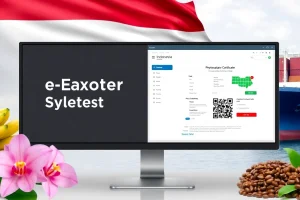
Maintain a digital file of every step; many NPPOs now use electronic portal systems (e.g., e-Phyto) that track the status in real time.
Real‑World Example
“In March 2024, a shipment of *Rosa* cuttings from Ecuador to the United Kingdom was placed on quarantine hold because the phytosanitary certificate listed the wrong ISPM 15 treatment code. The exporter corrected the certificate, provided a post‑treatment lab report, and the UK Plant Health Agency released the consignment within four days. The total delay cost £2,800 in storage and missed market sales.”
This case illustrates how a single documentation error can cascade into significant financial loss, and how prompt corrective action can mitigate the impact.
Requirements & Standards
The fundamental legal framework for quarantine holds is set by the International Plant Protection Convention (IPPC) and the World Trade Organization’s Agreement on the Application of Sanitary and Phytosanitary Measures (SPS). Key standards include:
- IPPC ISPM 5 – Guidelines for pest risk analysis and the use of phytosanitary certificates.
- IPPC ISPM 15 – Standards for wood packaging material, often a trigger for holds on pallets.
- National Import Requirements – Each NPPO publishes an Import Permit Manual that details the exact documents and treatments required for each commodity.
For example, the United States Code of Federal Regulations (7 CFR Part 340) specifies that a phytosanitary certificate must be signed by an authorized official and include the exact pest‑free statement required for the commodity.
Conclusion
A phytosanitary quarantine hold is a protective tool used by plant‑health authorities to prevent the introduction of regulated pests. While the process can be intimidating, understanding the underlying rules, preparing complete documentation, and acting quickly to address deficiencies can dramatically shorten detention times. Exporters who embed the checklist above into their standard operating procedures will experience fewer holds, lower costs, and smoother market access.
FAQ
What should I do immediately after receiving a quarantine hold notice?
Contact the NPPO listed on the notice, confirm the exact deficiency, and gather any missing or updated documents such as a new phytosanitary certificate or treatment report.
Can a hold be lifted without re‑treating the cargo?
Yes, if the hold was caused by paperwork errors (e.g., missing signature) or a false positive test, providing correct documentation or a lab retest may be sufficient.
Do all countries use the same quarantine hold procedures?
Procedures are based on IPPC standards, but each NPPO may have additional national requirements, so always check the specific import manual of the destination country.






Leave a Reply