Short Answer
International trade in plants, seeds, fruits, and other regulated commodities moves billions of dollars each year, but it only works when every shipment meets the phytosanitary rules of the importing country. Two documents sit at the heart of that system: the import permit and the phytosanitary certificate. While they often travel together, they serve distinct legal functions and are governed by separate sets of standards. This article breaks down the differences, explains why each matters, and provides a practical roadmap for obtaining both without costly delays.
Overview
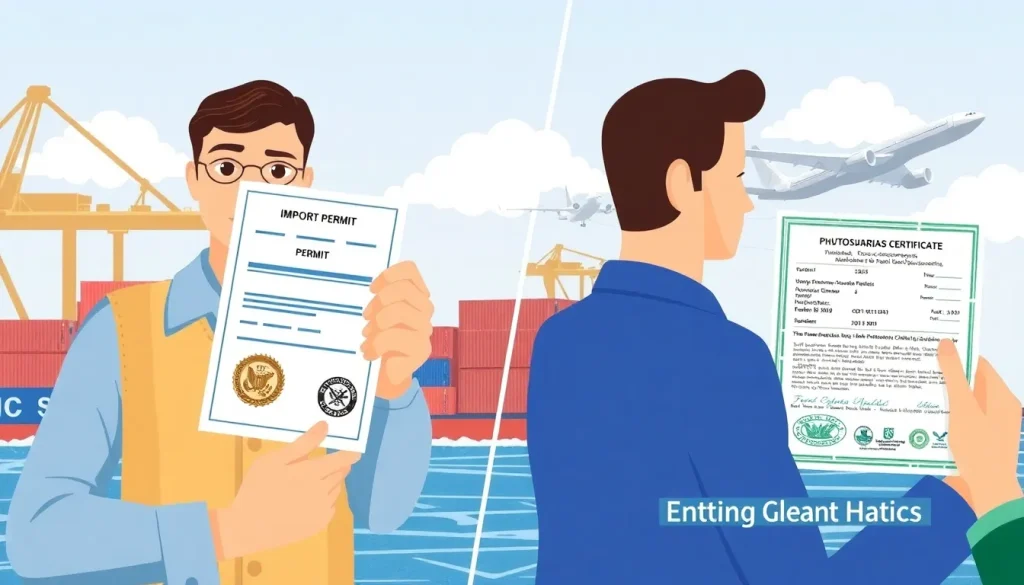
Import Permit – A government‑issued authorization that allows a specific commodity to enter a country. The permit confirms that the importer has met national quarantine, treatment, and inspection requirements before the consignment arrives.
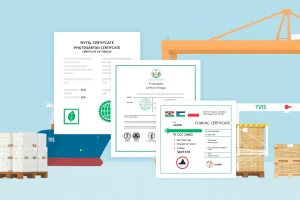
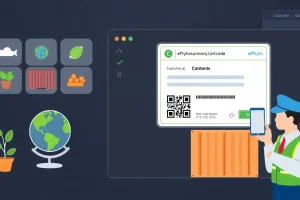
Phytosanitary Certificate – An official statement, usually issued by the exporting country’s National Plant Protection Organization (NPPO), certifying that the consignment complies with the phytosanitary requirements of the importing country at the time of export.
In practice, the permit is the request to import, while the certificate is the proof of compliance. Both must be valid and correctly matched for customs clearance.
Why it matters (real stakes for exporters/importers)
Failure to secure either document can result in:
- Shipment detention or outright rejection at the border.
- Fines ranging from a few hundred to tens of thousands of US dollars.
- Destruction or re‑export of the commodity, leading to total loss.
- Loss of the importer’s accreditation or future market access.
For exporters, a missing or invalid phytosanitary certificate can damage reputation and jeopardize contracts. For importers, an absent permit may trigger quarantine actions that halt production lines or retail distribution.
How it works
The flow of documentation follows a predictable sequence:
- Pre‑export assessment: The exporter checks the importing country’s plant‑health import requirements (often published on the NPPO website).
- Import permit application: The importer submits a request to the destination NPPO, providing commodity details, origin, and any required treatments.
- Pre‑shipment inspection: An authorized inspector in the exporting country verifies that the commodity meets the stipulated standards.
- Phytosanitary certification: The NPPO issues a certificate that the inspected consignment is free of specified pests and has undergone any required treatments.
- Customs clearance: The carrier presents both the import permit and the phytosanitary certificate to the destination customs authority for release.
If any step is skipped or the documents do not match, the cargo is flagged for inspection, which can add days or weeks to the supply chain.
Regulatory authority & contact
Both documents are anchored in international standards set by the International Plant Protection Convention (IPPC) and enforced by national NPPOs.
| Document | Governing Body | Key Reference | Contact Point (example) |
|---|---|---|---|
| Import Permit | National Plant Protection Organization (NPPO) of the importing country | IPPC ISPM No. 1 – General Principles | USDA APHIS – Plant Protection and Quarantine, 202‑234‑2000 |
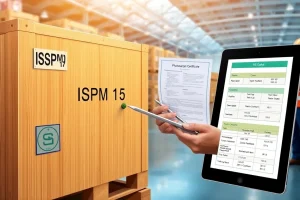
| Phytosanitary Certificate | NPPO of the exporting country, accredited by the IPPC | IPPC ISPM No. 15 – Phytosanitary Certificate | Canada CFIA – Phytosanitary Services, 1‑800‑442‑2345 |
Exporters should locate the appropriate NPPO contact through the FAO NPPO directory. Importers can obtain permit forms directly from their country’s agricultural ministry or quarantine agency.
Required documents
Although requirements vary by commodity and destination, the core set includes:
- Completed import permit application (often an electronic form).
- Commercial invoice and packing list.
- Origin certificate or proof of legal harvest.
- Phytosanitary certificate (original, signed, and stamped).
- Any treatment certificates (e.g., fumigation, heat treatment) required by the importing country.
- Transport documents (Bill of Lading, Air Waybill).
Additional documents may be requested for high‑risk commodities, such as a pest risk analysis (PRA) or a sanitary import request.
Requirements & standards
The IPPC provides the global framework that both permits and certificates must follow. Key standards include:
“ISPM No. 15 – Phytosanitary Certificate – sets out the format, content, and issuance procedures for certificates that accompany international consignments of plants and plant products.”
“ISPM No. 1 – General Principles – defines the obligations of importing and exporting parties, including the need for an import permit when a commodity is subject to quarantine.”
National NPPOs translate these standards into country‑specific regulations, often identified by a code (e.g., USDA‑APHIS 7‑C‑010). Importers must verify that the certificate’s Issuing Authority, Inspection Date, and Declared Pest List exactly match the conditions stipulated in the import permit.
Step‑by‑step checklist (how to trigger both documents)
- Identify commodity code – Use the HS code to locate plant‑health requirements on the destination NPPO website.
- Apply for import permit – Submit the electronic form with commodity description, origin, and intended treatment. Retain the permit reference number.
- Arrange pre‑export inspection – Book an authorized inspector in the exporting country at least 48 hours before shipment.
- Complete required treatments – Follow the exact method (temperature, duration, chemical) approved by the importing NPPO.
- Obtain phytosanitary certificate – The inspector issues the certificate, ensuring it cites the import permit number and any treatment details.
- Prepare commercial documents – Attach the permit and certificate to the invoice, packing list, and Bill of Lading.
- Notify carrier – Provide copies to the freight forwarder so they can present them to customs on arrival.
- Monitor arrival – Track the shipment; if customs requests additional evidence, respond within the stipulated time frame.
Following this checklist reduces the likelihood of border delays to less than 5 % of shipments, according to a 2023 FAO survey of 120 exporters.
Common mistakes & rejection reasons
Even experienced shippers fall into predictable traps:
- Mismatched permit numbers – The certificate must reference the exact import permit number; any discrepancy triggers rejection.
- Expired certificate – Certificates are typically valid for 30 days from the inspection date; shipping after that window is prohibited.
- Omitted treatment details – If a required heat treatment is not listed on the certificate, customs may quarantine the cargo.
- Incorrect commodity description – Using a generic term (e.g., “fruit”) instead of the specific species can cause classification errors.
- Failure to declare regulated pests – Any pest observed during inspection must be recorded; omission is considered falsification.
Typical rejection notices cite the above items and give the importer 48 hours to correct the documentation before the cargo is destroyed or returned.
Real‑world example/scenario
Scenario: A U.S. exporter wants to ship fresh mangoes to Kenya.
- The Kenyan NPPO requires an import permit for all tropical fruits and a phytosanitary certificate stating that the mangoes are free of Fruit Fly (Bactrocera dorsalis).
- The importer submits an online permit request, receives permit #KD‑2024‑00123, and forwards the number to the exporter.
- The exporter arranges a USDA‑APHIS inspector who confirms the mangoes have undergone a 48‑hour cold treatment and finds no fruit‑fly larvae.
- The inspector issues a phytosanitary certificate dated 10 May 2024, referencing permit #KD‑2024‑00123 and the cold‑treatment method.
- All documents travel with the Bill of Lading. Upon arrival at Mombasa port, customs cross‑checks the permit number, validates the treatment, and releases the cargo without delay.
If the exporter had omitted the cold‑treatment detail, Kenyan officials would have detained the mangoes, leading to a probable 7‑day quarantine and a loss of market confidence.
Conclusion
An import permit and a phytosanitary certificate are complementary, not interchangeable, tools that safeguard global agriculture from pest incursions. Understanding their distinct legal roles, the standards that govern them, and the exact steps to obtain each can mean the difference between a smooth customs release and a costly disruption. By following the checklist, avoiding common pitfalls, and staying current with IPPC and NPPO updates, trade professionals can protect their supply chains and maintain market access.
FAQ
Can a shipment be cleared with only a phytosanitary certificate and no import permit?
No. Most countries require an import permit for regulated commodities. The certificate proves compliance, but the permit provides legal authorization to import.
How long before shipment should I apply for an import permit?
Apply at least 30 days in advance. Some NPPOs process permits within 5–10 business days, but high‑risk commodities may need additional risk assessments.
What should I do if my phytosanitary certificate is about to expire during transit?
Contact the exporting NPPO immediately. In many cases, a supplemental certificate can be issued if the consignment remains under controlled conditions, but the safest approach is to ship within the original validity period.






Leave a Reply