Short Answer
When fresh fruit or vegetable shipments cross oceans, the race against time is real. Controlled Atmosphere (CA) treatment—adjusting oxygen, carbon dioxide, and nitrogen levels in sealed containers—offers a scientific solution that can add days or even weeks to a product’s marketable life. For exporters, importers, customs brokers, and freight forwarders, mastering CA is not just a quality‑boosting tactic; it is a compliance necessity that can determine whether a consignment clears border inspections or faces costly rejection.
Overview
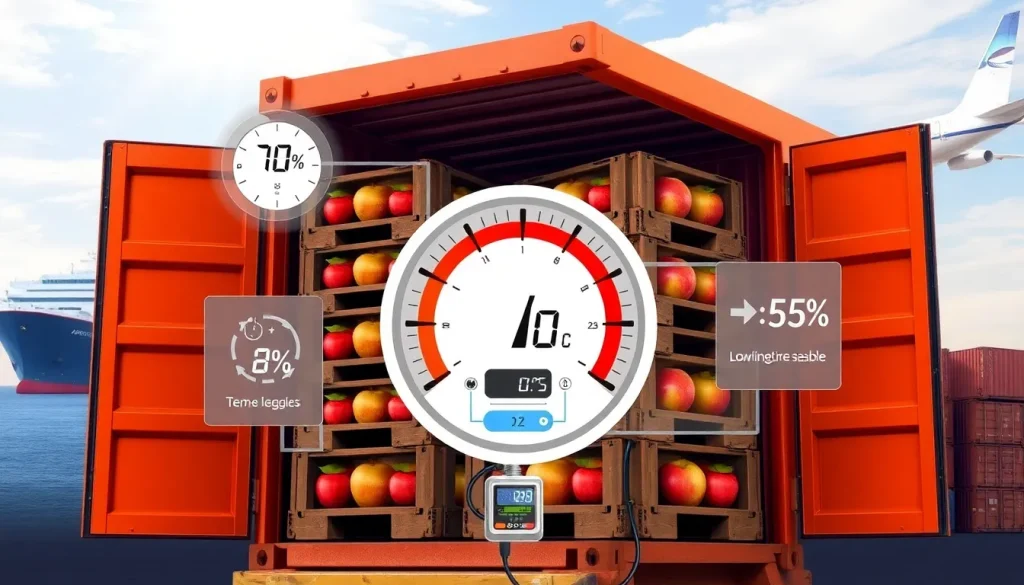
Controlled Atmosphere (CA) is a post‑harvest technology that modifies the gaseous environment surrounding produce during storage and transport. By lowering O₂ (typically to 1‑5%) and raising CO₂ (usually 3‑10%) while maintaining temperature and humidity, metabolic processes slow down, delaying ripening, senescence, and microbial growth.
CA is applied in three main ways:
- Passive CA: Sealed containers that rely on the produce’s own respiration to alter gas composition.
- Active CA: Gas‑mixing systems inject precise O₂/CO₂/N₂ blends.
- Dynamic CA: Real‑time monitoring and automated gas control throughout the journey.
Internationally, CA is recognized as a phytosanitary treatment under the International Plant Protection Convention (IPPC) and is referenced in ISPM 38 – “Post‑harvest Treatment of Fruits, Vegetables and Other Commodities”.
Why It Matters (Real Stakes for Exporters/Importers)
Failing to maintain product quality can trigger three major losses:
- Market rejection: Importing countries may refuse shipments that exceed freshness limits, leading to total loss of the consignment.
- Regulatory penalties: Non‑compliant CA parameters can be interpreted as a phytosanitary violation, resulting in fines or mandatory re‑treatment.
- Brand damage: Late‑season spoilage erodes consumer confidence and harms long‑term market access.
For high‑value crops—such as apples, kiwifruit, and berries—CA can increase revenue by up to 30 % by opening distant markets and extending the sales window.
How It Works
Produce continues to respire after harvest, consuming O₂ and releasing CO₂. By controlling these gases, CA intervenes in two key biochemical pathways:
- Respiration rate reduction: Lower O₂ slows ATP production, delaying ripening enzymes (e.g., polygalacturonase).
- Ethylene suppression: Elevated CO₂ inhibits ethylene synthesis, the hormone that drives senescence.
Temperature remains the dominant factor; CA is most effective when combined with cold chain management (usually 0‑4 °C for temperate fruits). Sensors inside the container continuously log gas concentrations, temperature, and humidity. Data logs are often required as part of the phytosanitary certificate.
Requirements & Standards
The primary standard governing CA is IPPC ISPM 38, which defines acceptable gas limits, monitoring procedures, and record‑keeping obligations. National Plant Protection Organizations (NPPOs) may impose additional limits; for example:
- United States (USDA‑APHIS): O₂ ≥ 1.5 % and CO₂ ≤ 10 % for apples shipped to the EU.
- European Union (EU Plant Health Regulation 2000/29/EC): Mandatory data log submission for all CA‑treated citrus.
- Australia (DAFF): Requires a pre‑export CA certificate signed by an approved post‑harvest specialist.
“All CA‑treated consignments must be accompanied by a Phytosanitary Certificate that includes the gas composition, temperature profile, and duration of treatment, as stipulated in ISPM 38, paragraph 7.2.” – IPPC, ISPM 38 (2022)
Key compliance points:
- Gas composition must remain within the specified range for the entire transport period.
- Continuous electronic monitoring devices (data loggers) must be calibrated and tamper‑proof.
- Records must be retained for at least 12 months and be available for inspection upon request.
Step‑by‑Step Checklist (How to Trigger a CA‑Approved Export)
- Confirm target market requirements: Review the importing NPPO’s CA limits and documentation needs.
- Choose CA type: Select passive, active, or dynamic based on commodity sensitivity and infrastructure.
- Calibrate equipment: Verify gas mixers, sensors, and data loggers against ISO 9001 standards.
- Load produce: Pack in airtight containers, ensuring uniform spacing for even gas distribution.
- Set gas parameters: Program the desired O₂/CO₂/N₂ levels and temperature set‑points.
- Start monitoring: Activate data loggers; record initial readings and timestamp.
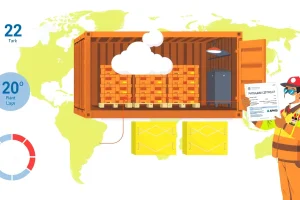
- Document treatment: Complete a CA Treatment Certificate (template provided by NPPO) and attach the data log export file.
- Apply phytosanitary seal: Seal the container with an IPPC‑approved seal indicating “CA‑treated”.
- Submit paperwork: Include the CA Certificate with the Phytosanitary Certificate during export filing.
- Maintain chain of custody: Ensure that transport partners do not breach the sealed environment.
Common Mistakes & Rejection Reasons
Even experienced exporters stumble on a few recurring issues:
- Gas drift: Failure to recalibrate sensors after 48 hours leads to O₂ levels drifting above 5 % and triggers rejection.
- Incomplete documentation: Missing data‑log files or absent CA Certificate result in “Insufficient phytosanitary evidence”.
- Temperature spikes: Loading containers in warm warehouses raises internal temperature, accelerating respiration and invalidating CA limits.
- Improper sealing: Loose container lids allow ambient air exchange, causing gas composition to fluctuate.
Border officials typically cite ISPM 38 paragraph 9.4 when rejecting a shipment for “non‑conformity with prescribed gas concentrations”.
Real‑World Example/Scenario
Case Study: Chilean Apple Export to the United Kingdom (2023)
Chile’s Naranjo Valley growers shipped 8,000 t of “Royal Gala” apples to the UK using a dynamic CA system:
| Parameter | Target | Actual |
|---|---|---|
| O₂ | 2 % | 1.9 % (±0.2 %) |
| CO₂ | 5 % | 5.1 % (±0.3 %) |
| Temperature | 0 °C | -0.5 °C (±1 °C) |
| Duration | 21 days | 21 days |
The shipment arrived with 95 % marketable fruit, well within the UK’s freshness criteria. The accompanying CA Treatment Certificate, signed by an accredited post‑harvest specialist, was accepted without request for additional data. The exporter reported a 12 % premium price compared to a previous non‑CA shipment that suffered 30 % post‑arrival bruising.
This example underscores how precise CA control, coupled with thorough documentation, translates directly into economic gain and regulatory compliance.
Control / Treatment
Beyond the primary gas manipulation, CA programs often integrate complementary treatments to maximize phytosanitary safety:
- Hot water dip (HWD): Used for citrus to eliminate surface insects before sealing.
- UV‑C light exposure: Reduces microbial load without affecting gas composition.
- Modified atmosphere packaging (MAP): Individual or bulk packs with built‑in gas‑scavenging films that sustain CA conditions after container opening.
When combined, these measures satisfy both quality and pest‑free requirements, reducing the likelihood of quarantine interceptions.
Conclusion
Controlled Atmosphere treatment is a powerful, science‑based tool that extends the shelf life of exported produce while meeting stringent phytosanitary standards. By understanding the technical fundamentals, adhering to IPPC and NPPO regulations, and following a disciplined checklist, exporters can protect product value, avoid costly rejections, and open new market opportunities.
FAQ
Can I use a passive CA system for tropical fruits like mangoes?
Passive CA is generally unsuitable for tropical fruits because their high respiration rates can quickly deplete O₂, leading to off‑flavors. Active or dynamic CA with tighter gas control is recommended.
What documentation must accompany a CA‑treated shipment?
A phytosanitary certificate, a CA Treatment Certificate (including target gas levels, temperature, and duration), and the electronic data‑log file showing real‑time gas and temperature readings.
How often should the gas sensors be calibrated?
Sensors should be calibrated before each shipment and re‑checked at least every 48 hours during long voyages, in accordance with ISO 9001 calibration procedures.







Leave a Reply