Short Answer
Methyl bromide (MB) has been a cornerstone of pre‑harvest and post‑harvest pest control for decades, but its ozone‑depleting properties have led to a global phase‑out under the Montreal Protocol. Exporters, importers, customs brokers, and freight forwarders now face the urgent task of replacing MB with alternatives that meet both phytosanitary effectiveness and international regulatory acceptance. This pillar article provides a plain‑English, end‑to‑end reference on the most widely approved alternative fumigants, the agencies that govern them, and the practical steps required to keep your supply chain moving.
Overview
Alternative fumigants are chemicals or physical methods that achieve the same level of pest eradication as MB while complying with the International Plant Protection Convention (IPPC) standards. The most commonly accepted alternatives include:
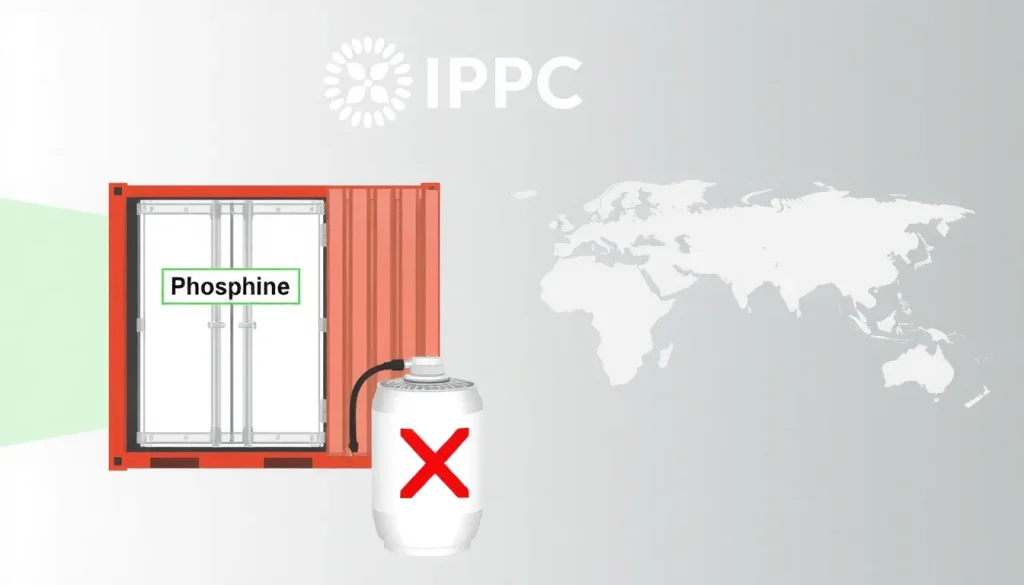
- Phosphine (PH3) – gas generated from aluminium phosphide or magnesium phosphide pellets.
- Sulfuryl fluoride (SO2F2) – a synthetic gas used mainly for container‑treated commodities.
- Ethyl formate (EF) – a biodegradable liquid that vaporizes at ambient temperature.
- Heat treatment – physical method raising commodity temperature to lethal levels for insects.
- Controlled atmosphere (CA) – low‑oxygen/high‑CO2 environments that suppress pest development.
Each alternative is evaluated against the same ISPM (International Standards for Phytosanitary Measures) criteria that govern MB, ensuring that trade‑partner countries can verify efficacy and safety.
Why it Matters (Real Stakes for Exporters/Importers)
Failing to adopt an approved alternative can result in:
- Shipment rejection at the border, leading to costly re‑treatments or destruction of the cargo.
- Loss of market access if a trading partner declares a non‑compliant treatment as a phytosanitary risk.
- Regulatory penalties including fines or suspension of export privileges.
- Environmental liability for continued use of MB, which can breach national ozone‑protection laws.
Conversely, using a recognized alternative protects your supply chain, maintains customer confidence, and aligns your operation with emerging sustainability standards.
How It Works
All approved alternatives rely on one of two fundamental mechanisms: chemical toxicity or physical disruption of pest physiology.
| Fumigant | Mode of Action | Typical Application |
|---|---|---|
| Phosphine | Inhibits cellular respiration (cytochrome c oxidase) | Closed‑space bulk treatment (e.g., grain silos, containers) |
| Sulfuryl fluoride | Disrupts enzyme function via fluoride ions | Container fumigation, high‑value produce |
| Ethyl formate | Denatures proteins; rapid volatilisation | Spray‑or‑vapor for fresh fruit & vegetables |
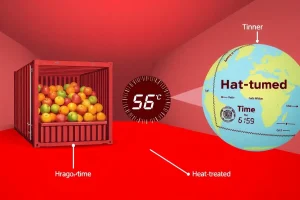
| Heat treatment | Protein denaturation & membrane rupture at >55 °C | Hot‑water immersion, forced‑air heating |
| Controlled atmosphere | Oxygen deprivation & CO2 toxicity | Sealed chambers for stored potatoes, onions |
Each method must be validated according to the relevant ISPM 15 (wood packaging) or ISPM 31 (post‑harvest treatment) guidelines before it can be listed on a phytosanitary certificate.
Regulatory Authority & Contact
The primary bodies governing alternative fumigants are:
- International Plant Protection Convention (IPPC) – sets global ISPM standards. ippc.int
- National Plant Protection Organizations (NPPOs) – issue permits and certify compliance. Contact details are country‑specific; a consolidated list is available via the World Trade Organization (WTO) – SPS Information Management System.
- U.S. Environmental Protection Agency (EPA) – regulates phosphine and sulfuryl fluoride under the Federal Insecticide, Fungicide, and Rodenticide Act (FIFRA). epa.gov
When preparing a shipment, exporters should confirm the accepting country’s NPPO contact (usually the Phytosanitary Services Division) and verify the latest “Approved Fumigants List” for that market.
Import/Export Procedure
The procedural flow is similar across most trading partners, but the following steps capture the universal core:
- Determine the pest risk profile for the commodity and destination (consult the IPPC pest database).
- Select an approved alternative fumigant that is listed as A1 (full acceptance) or A2 (conditional acceptance) for the target market.
- Obtain a treatment authorization from the exporter’s NPPO (often a “Pre‑Export Treatment Certificate”).
- Conduct the fumigation in an accredited facility and generate a treatment record (temperature, concentration, exposure time).
- Prepare the phytosanitary certificate (PC) citing the specific ISPM, fumigant name, dosage, and validation data.
- Submit the PC and accompanying documents to the importing country’s customs/plant‑health authority for review.
- If approved, the shipment proceeds; otherwise, the cargo may be re‑treated or returned.
Required Documents
Exporters must compile a packet that demonstrates compliance. Typical documents include:
- Phytosanitary Certificate (PC) – IPPC‑standard format, signed by an authorized NPPO official.
- Treatment Report – detailed log of fumigant concentration, exposure period, temperature, and monitoring data.
- Laboratory Test Results – if the fumigant requires residue analysis (e.g., phosphine residues in grain).
- Import Permit (if required by the destination country).
- Certificate of Origin – for customs valuation and traceability.
- Material Safety Data Sheet (MSDS) for the fumigant used.
Requirements & Standards
The core standards that govern alternative fumigants are:
- ISPM 15 – regulates wood packaging; requires heat‑treatment or methyl bromide alternatives for pallets.
- ISPM 31 – outlines post‑harvest treatment guidelines, including acceptable fumigants, dosage, and exposure times.
- IPPC Annex 1 to ISPM 31 – provides a definitive list of approved fumigants and their A‑category status per region.
“Only fumigants listed in Annex 1 of ISPM 31 may be cited on a phytosanitary certificate. Any deviation requires a special import permit from the importing NPPO.” – IPPC, 2023.
For example, phosphine is listed as A1 for the United States, Canada, and the EU, while ethyl formate holds an A2 status in Japan (conditional on residue limits).
Step‑by‑Step Checklist (How‑to Trigger Acceptance)
- Confirm Commodity‑Pest Pair – Use the IPPC Pest Database to verify the target pest(s).
- Verify Fumigant Eligibility – Check Annex 1 of ISPM 31 for A‑category status in the destination region.
- Secure Treatment Authorization – Request a pre‑export treatment certificate from your NPPO.
- Perform Fumigation – Follow the dosage and exposure time stipulated in the NPPO protocol.
- Record real‑time concentration (ppm) and temperature at least every 30 minutes.
- Generate Treatment Report – Include batch number, fumigant lot, equipment calibration certificates, and environmental conditions.
- Conduct Residue Testing (if required) – Send samples to an accredited lab; attach the analytical report.
- Prepare Phytosanitary Certificate – Fill out the IPPC‑standard PC, citing the exact fumigant, dosage, and ISPM reference.
- Attach Supporting Documents – Import permit, MSDS, certificate of origin, and any country‑specific forms.
- Submit to Importing NPPO – Via electronic phytosanitary certificate system (e‑Phytosanitary) or paper copy as required.
- Obtain Clearance – Keep the PC on board for inspection; retain a digital copy for audit.
Common Mistakes & Rejection Reasons
Even experienced exporters stumble on a few recurring issues:
- Incorrect fumigant dosage – Under‑dosing leads to ineffective pest control; over‑dosing may breach residue limits.
- Missing or outdated NPPO authorization – A treatment certificate must be issued within the validity period (usually 30 days).
- Failure to cite the correct ISPM reference – Importing officials reject PCs that list “Methyl bromide” when the fumigant used was phosphine.
- Inadequate monitoring data – Logs must show continuous concentration; gaps trigger suspicion of non‑uniform treatment.
- Residue non‑compliance – Some markets (e.g., EU) impose strict phosphine residue limits (<0.1 mg kg⁻¹). Exceeding these results in detention.
Addressing these points before shipment reduces the risk of costly delays.
Real‑World Example/Scenario
Scenario: A U.S. wheat exporter needs to ship 20 MT to Japan, where MB is prohibited and the NPPO only accepts phosphine (A1) or ethyl formate (A2) with a ≤0.05 mg kg⁻¹ residue limit.
- The exporter selects phosphine because it is listed as A1 for Japan.
- They request a pre‑export treatment certificate from the USDA‑APHIS Plant Protection and Quarantine (PPQ) office.
- Fumigation is performed in a certified silo at 2 g m⁻³ for 48 hours, with continuous monitoring.
- Post‑treatment, a USDA‑approved lab reports phosphine residues of 0.03 mg kg⁻¹, within Japan’s limit.
- The phytosanitary certificate cites ISPM 31, phosphine dosage, and the USDA‑PPQ certificate number.
- Japan’s NPPO reviews the packet electronically, issues clearance, and the cargo is loaded onto the vessel without delay.
This example illustrates how aligning with the correct A‑category fumigant and providing complete documentation eliminates the need for re‑treatment at the destination.
Conclusion
Transitioning from methyl bromide is no longer optional—it is a regulatory reality that directly impacts market access and supply‑chain resilience. By selecting an IPPC‑approved alternative, securing the proper NPPO authorizations, and compiling a complete documentation package, exporters can maintain compliance, protect the environment, and keep their goods moving. The step‑by‑step checklist provided here serves as a quick reference for anyone involved in phytosanitary certification, from seasoned freight forwarders to students studying plant‑health trade.
| Quick Fact | Detail |
|---|---|
| Phase‑out deadline | Full global MB ban effective 2025 under the Montreal Protocol. |
| Most widely accepted alternative | Phosphine – A1 status in >30 trading partners. |
| Key ISPM standard | ISPM 31 (Post‑harvest treatment) Annex 1 list. |
| Typical residue limit | Phosphine ≤0.1 mg kg⁻¹ (EU), ≤0.05 mg kg⁻¹ (Japan). |
| Electronic PC system | e‑Phytosanitary – adopted by >50 countries. |
FAQ
Can I use more than one alternative fumigant on the same shipment?
Yes, but each fumigant must be listed separately on the phytosanitary certificate, and the combined treatment must still meet the importing country's A‑category requirements.
What if my destination country only accepts methyl bromide for a specific pest?
Contact the importing NPPO to request a special import permit. In most cases, an alternative with documented efficacy (e.g., phosphine) can be approved if residue limits are met.
How long does a phytosanitary certificate remain valid after treatment?
Typically 30 days, but the exact validity period is defined by the issuing NPPO and must be confirmed before shipment.




Leave a Reply