Short Answer
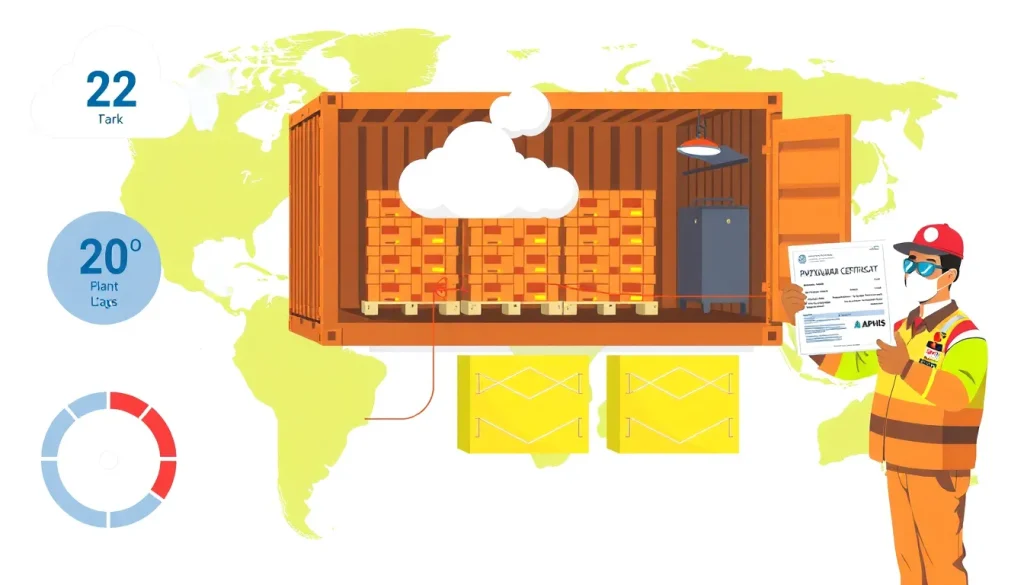
Moving plants, plant products, or regulated articles across borders involves more than packing and shipping. The United States Department of Agriculture’s Animal and Plant Health Inspection Service (US APHIS) enforces a set of pre‑export treatments designed to eradicate or suppress regulated pests before they reach U.S. soil. Failure to meet these requirements can result in costly delays, fines, or outright rejection of the consignment. This pillar article breaks down the most common treatments, the documentation needed to prove compliance, and practical steps you can take to avoid common mistakes.
Overview
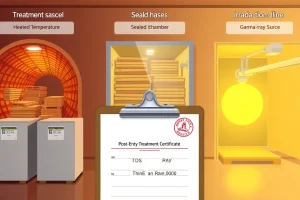
US APHIS aligns its pre‑export treatment regime with the International Plant Protection Convention (IPPC) standards. The most frequently required treatments include:
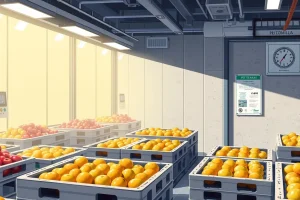
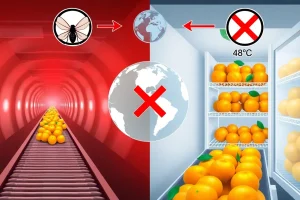
- Cold treatment – exposure to low temperatures for a prescribed duration.
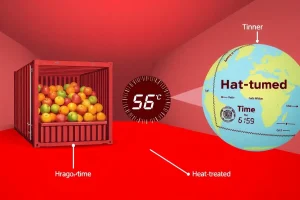
- Heat treatment – typically steam or hot‑air exposure.
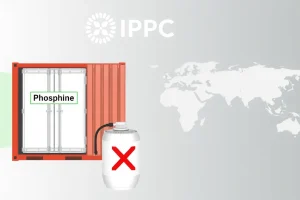
- Fumigation – use of approved gases such as methyl bromide or phosphine.
- Irradiation – exposure to ionizing radiation (gamma rays or electron beams).
- Phytosanitary inspection – visual or laboratory detection of pests before shipment.
Each treatment is linked to a specific pest risk assessment and is documented on a phytosanitary certificate issued by the exporting country’s National Plant Protection Organization (NPPO).
Why It Matters
Non‑compliance can have severe financial and reputational consequences:
- Shipment rejection at the U.S. port of entry – leads to demurrage, re‑export, or destruction.
- Fines and penalties – APHIS may assess civil penalties up to $50,000 per violation.
- Loss of market access – repeated infractions can trigger trade suspensions under the WTO SPS Agreement.
- Supply‑chain disruption – downstream manufacturers may face production delays.
Understanding the treatment requirements therefore protects revenue streams and maintains good standing with regulatory agencies.
Types and Categories of Pre‑Export Treatments
Below is a concise comparison of the most common treatment categories, their typical applications, and the IPPC standard they reference.
| Treatment | Typical Use | IPPC Standard | Key Parameter |
|---|---|---|---|
| Cold Treatment | Bulbs, tubers, cut flowers | ISPM 15 Annex B | −20 °C for ≥14 days |
| Heat Treatment (Steam) | Wood packaging, fresh fruit | ISPM 15 Annex A | 56 °C for ≥30 min |
| Fumigation (Methyl Bromide) | Soil, root balls, nursery stock | ISPM 5 | 75 g m⁻³ for 24 h |
| Irradiation | Spices, dried herbs, fresh produce | ISPM 23 | 400 Gy (gamma) or 300 Gy (e‑beam) |
| Phytosanitary Inspection | All commodities | ISPM 1 | Visual + laboratory confirmation |
Regulatory Authority & Contact
The primary U.S. authority is the Animal and Plant Health Inspection Service (APHIS), part of the USDA. Exporters should also coordinate with the NPPO of the origin country, which issues the phytosanitary certificate.
US APHIS Plant Protection Division
- Phone: 1‑202‑720‑2791
- Email: aphis.planthealth@usda.gov
- Website: aphis.usda.gov
The NPPO contact varies by country; a full list is available on the IPPC website.
Requirements & Standards
All treatments must meet the standards set out in the relevant International Standards for Phytosanitary Measures (ISPM) and any supplemental United States regulations (e.g., 7 CFR 319). The following excerpt illustrates the legal language for cold treatment of bulbous crops:
“The commodity shall be treated at a temperature of not less than –20 °C for a minimum of 14 days, measured continuously with a calibrated data logger, before issuance of a phytosanitary certificate. (7 CFR 319.56‑7)”
Key points to verify:
- Calibration records for temperature or radiation meters.
- Treatment logs signed by an accredited inspector.
- Reference to the exact ISPM number on the certificate.
Failure to reference the correct ISPM or to provide traceable data is a common cause of rejection.
Required Documents
Exporters must compile a packet that demonstrates full compliance. The essential documents are:
- Phytosanitary Certificate (PC) – issued by the NPPO, includes treatment code and certification number.
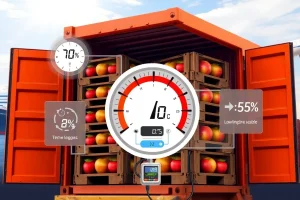
- Treatment Report – detailed log of temperature, time, fumigant concentration, or radiation dose.
- Laboratory Test Results – if the pest is identified by diagnostic labs.
- Export Permit – required for certain regulated pests (e.g., citrus greening).
- Bill of Lading – must reference the PC number.
All documents must be in English or accompanied by a certified translation. Electronic versions are accepted if they meet the e‑Phytosanitary System specifications.
Step‑by‑Step Checklist for Compliance
The following checklist helps you trigger the right actions before the cargo leaves the exporting country.
- Identify the regulated pest(s) for your commodity using the APHIS Pest List.
- Confirm the required treatment by consulting the relevant ISPM annex.
- Engage an accredited treatment provider (e.g., USDA‑approved fumigator).
- Record treatment parameters with calibrated instruments; retain raw data for at least 12 months.
- Request a phytosanitary certificate from the NPPO, providing the treatment log as evidence.
- Verify certificate details – treatment code, temperature/dose, dates, and signatures.
- Attach supporting documents (lab reports, permits) to the export file.
- Notify your freight forwarder to reference the PC number on the bill of lading.
- Monitor arrival – request APHIS pre‑arrival notice to smooth entry.
Completing each step reduces the risk of a hold at the U.S. border.
Common Mistakes & Rejection Reasons
Even seasoned exporters encounter pitfalls. The most frequent causes of rejection include:
- Missing or inaccurate treatment code on the phytosanitary certificate.
- Insufficient treatment duration – e.g., cold treatment logged for 10 days instead of the required 14.
- Uncalibrated equipment – temperature loggers or dosimeters not traceable to a national standards body.
- Late submission of documents – APHIS requires the PC at least 24 hours before arrival for high‑risk commodities.
- Improper translation – non‑English certificates rejected if translation is not certified.
Addressing these issues proactively saves time and money.
Real‑World Example
Scenario: A Colombian exporter ships fresh mangoes to Florida. The APHIS pest list flags the mango seed weevil (Sternochetus mangiferae) as a quarantine pest. The required treatment is a 30‑minute hot‑water dip at 54 °C (ISPM 15 Annex A).
What happened: The exporter used a 45 °C dip for 20 minutes, assuming it was sufficient. The phytosanitary certificate listed the correct treatment code, but the treatment report showed the lower temperature. Upon arrival, APHIS inspectors sampled the fruit, found live weevils, and rejected the shipment.
Lesson learned: Verify the exact temperature and duration, calibrate the water bath, and ensure the NPPO’s certificate matches the documented treatment.
By following the guidelines above, exporters can streamline the pre‑export treatment process, avoid common rejection triggers, and maintain uninterrupted access to the U.S. market.
Conclusion
US APHIS pre‑export treatments are a critical checkpoint in the global plant‑health supply chain. Understanding the treatment categories, the standards that govern them, and the documentation required enables exporters, importers, customs brokers, and freight forwarders to move goods confidently. Use the step‑by‑step checklist, keep meticulous records, and stay in contact with both the NPPO and APHIS to ensure each consignment meets the high bar set by international phytosanitary standards.
| Quick Facts |
|---|
| Cold treatment for bulbs: –20 °C ≥ 14 days (ISPM 15 Annex B) |
| Heat treatment for wood: 56 °C ≥ 30 min (ISPM 15 Annex A) |
| Fumigation with methyl bromide: 75 g m⁻³ ≥ 24 h (ISPM 5) |
| Irradiation dose for spices: 400 Gy (gamma) or 300 Gy (e‑beam) (ISPM 23) |
| APHIS can levy up to $50,000 per violation. |
| Certificates must be issued by the exporting country’s NPPO. |
| Electronic phytosanitary certificates accepted via APHIS e‑Phytosanitary System. |
FAQ
What is the difference between a phytosanitary certificate and a treatment report?
The phytosanitary certificate is the official document issued by the NPPO confirming that the commodity complies with the importing country's requirements. The treatment report is a detailed log of the specific pre‑export treatment performed (temperature, time, dosage, etc.) and serves as supporting evidence for the certificate.
Can I use a local laboratory’s test results instead of the NPPO’s certification?
Only if the laboratory is accredited by the NPPO and the results are explicitly referenced on the phytosanitary certificate. Unaccredited lab reports alone will not satisfy APHIS.
How long must I retain treatment records after shipment?
US APHIS requires exporters to keep all treatment logs, calibration certificates, and supporting documents for a minimum of 12 months after the consignment’s arrival in the United States.




Leave a Reply