Short Answer
International trade in tropical fruits relies heavily on effective phytosanitary measures to prevent the spread of regulated pests. Among the most critical decisions exporters face is selecting the appropriate disinfestation method. Heat Treatment vs. Cold Treatment represents a fundamental choice that impacts fruit quality, market access, and regulatory compliance. This guide provides a comprehensive technical overview for exporters, importers, and compliance officers navigating these complex requirements.
Overview of Phytosanitary Treatments
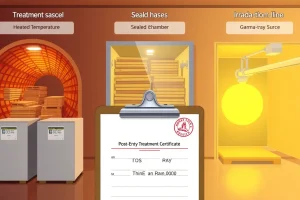
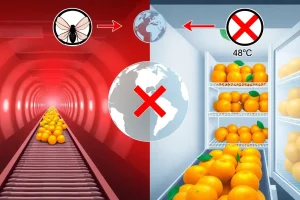
Phytosanitary treatments are physical or chemical processes applied to commodities to kill, inactivate, or remove pests. For tropical fruits, non-chemical methods are preferred to maintain residue-free status. Vapor Heat Treatment (VHT) and Cold Treatment are the two primary non-chemical options approved by National Plant Protection Organizations (NPPOs). VHT uses saturated hot air to raise fruit core temperature, while Cold Treatment maintains low temperatures over a specific duration to achieve pest mortality.
Why It Matters: Economic and Regulatory Stakes
Choosing the wrong method can lead to catastrophic economic losses. Importing countries enforce strict phytosanitary certification requirements. If a shipment arrives without the correct treatment data or if the treatment parameters were not met, the entire consignment may be rejected, re-exported, or destroyed. Furthermore, incorrect treatment can damage fruit quality, rendering it unsellable even if it clears customs. Understanding the specific pest risks associated with the commodity is essential for selecting the viable method.
How It Works: Mechanisms of Action
Both methods target the metabolic processes of quarantine pests, such as fruit flies (Tephritidae).
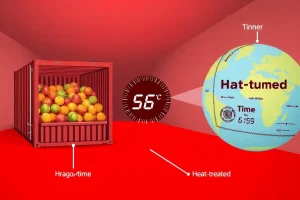
- Heat Treatment: Exposes fruit to saturated vapor heat. The core temperature must reach a specific threshold (e.g., 46.1°C for mangoes) for a set time. This denatures proteins in pest larvae.
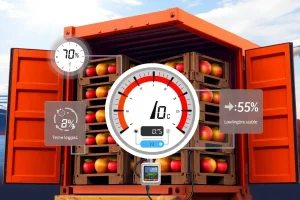
- Cold Treatment: Maintains fruit pulp temperature at a low level (e.g., 1.1°C or below) for a continuous period (e.g., 11 to 22 days). This slows pest metabolism until mortality occurs.
The choice depends on the fruit’s tolerance. Some tropical fruits suffer chilling injury under cold treatment, making heat the only viable option.
Requirements and Standards (IPPC/NPPO)
All treatments must align with International Standards for Phytosanitary Measures (ISPM). Specifically, ISPM 28 outlines phytosanitary treatments for regulated pests. National authorities implement these standards through bilateral work plans.
“Treatments must be approved by the NPPO of the exporting country and accepted by the NPPO of the importing country.” – IPPC ISPM 28
Exporters must verify the specific Treatment Schedule approved for their commodity-country pair. Deviations from the approved schedule invalidate the phytosanitary certificate.
Types and Categories of Treatment
Treatments are categorized by the method of application and the target pest.
| Feature | Vapor Heat Treatment (VHT) | Cold Treatment |
|---|---|---|
| Duration | Short (Hours) | Long (Days/Weeks) |
| Equipment | Heated Chamber | Refrigerated Container/Room |
| Fruit Risk | Cooking/Scalding | Chilling Injury |
| Monitoring | Core Probes | Pulp Probes |
Step-by-Step Checklist for Exporters
To ensure compliance, exporters should follow this procedural workflow:
- Verify Market Access: Confirm the importing country accepts the commodity with the proposed treatment.
- Register Facility: Ensure the treatment facility is approved and audited by the local NPPO.
- Calibrate Probes: Use certified temperature probes calibrated within the last 12 months.
- Execute Treatment: Run the cycle according to the approved schedule without interruption.
- Generate Report: Download and sign the treatment log immediately upon completion.
- Issue Certificate: Submit the log to the NPPO to attach to the Phytosanitary Certificate.
Common Mistakes and Rejection Reasons
Border rejections often stem from documentation errors or data discrepancies. Common issues include:
- Probe Displacement: If a temperature probe moves during treatment, the data is invalid.
- Temperature Deviation: Any spike above or below the allowable tolerance range voids the treatment.
- Missing Declaration: The Phytosanitary Certificate must include the specific treatment code in the “Declaration” section.
- Seal Breach: Breaking the container seal before arrival at the destination port without authorization.
Real-World Example: Mango Export Scenario
Consider a exporter shipping mangoes from Brazil to the United States. The bilateral work plan mandates VHT for fruit fly mitigation. The exporter loads the fruit into a certified chamber. Six probes are placed in the coldest fruit cores. The chamber heats to 46.1°C. The timer starts only when the coldest probe reaches the target. If one probe reads 45.9°C, the cycle extends. Upon completion, the NPPO inspector verifies the log. The Phytosanitary Certificate is issued with the declaration: “This consignment was treated with vapor heat at 46.1°C for 15 minutes.” Without this exact wording, US Customs and Border Protection will reject the entry.
Conclusion
Selecting between Heat Treatment vs. Cold Treatment is a technical decision rooted in pest biology and fruit physiology. Compliance with IPPC standards and bilateral agreements is non-negotiable. By adhering to approved schedules, maintaining accurate records, and understanding the regulatory stakes, exporters can ensure smooth market access and protect global agriculture from invasive pests.
FAQ
Can I switch from heat to cold treatment after booking shipment?
No. The treatment method must be declared and approved before shipment. Changing methods requires a new phytosanitary certificate and may violate import permits.
Who is responsible for calibrating temperature probes?
The treatment facility operator is responsible, but the NPPO must verify calibration certificates during audits to ensure data validity.
What happens if treatment data is lost?
If treatment data cannot be produced at the border, the shipment is typically considered untreated and may be rejected or destroyed.





Leave a Reply