
Short Answer
Methyl bromide (CH3Br) has been used for more than six decades as a broad‑spectrum fumigant to eradicate quarantine pests in soil, containers, and certain perishable commodities. Despite its phase‑out under the Montreal Protocol, the International Plant Protection Convention (IPPC) still permits limited use under strict conditions. For exporters, importers, customs brokers, and freight forwarders, understanding the scientific basis, regulatory requirements, and practical steps is essential to avoid costly delays and ensure phytosanitary compliance.
Overview
Methyl bromide is a colorless gas with a sweet odor, classified as a halogenated hydrocarbon. It penetrates porous media, kills insects, nematodes, fungi, and some bacteria by disrupting cellular respiration. The treatment is typically applied in sealed chambers, containers, or bulk storage facilities at concentrations of 5–30 g m−3 for 2–12 hours, depending on temperature and target pest.
- Primary use: Soil‑borne pest eradication, pre‑export treatment of fresh produce, and container disinfestation.
- Legal status: Allowed under IPPC ISPM 28 with a national permit; phased out for most non‑essential uses in many countries.
- Key advantage: Broad spectrum and rapid action, essential for commodities lacking alternative treatments.
Why It Matters (Real Stakes for Exporters/Importers)
Failure to meet methyl bromide requirements can result in:
- Shipment rejection: Cargo may be held at the border, incurring storage fees and possible destruction.
- Loss of market access: Some importing countries demand a methyl bromide phytosanitary certificate for specific crops (e.g., mangoes, citrus).
- Regulatory penalties: Unauthorized use can trigger fines, revocation of export permits, or criminal prosecution under the Montreal Protocol.
Conversely, a correctly documented methyl bromide treatment can expedite clearance, preserve product quality, and maintain a reliable supply chain.
How It Works
The fumigation process follows three scientific steps:
- Application: Methyl bromide is released from a pressurized cylinder into a sealed volume. Temperature and relative humidity are monitored because they affect gas diffusion and pest mortality.
- Exposure: The gas penetrates the commodity, reaching pests in all life stages. The lethal concentration (LCt) is calculated as concentration (g m−3) × exposure time (hours).
- Aeration & Degassing: After exposure, the chamber is ventilated until gas concentrations fall below the safety threshold (≤ 1 ppm for workers). Residual gas is captured or destroyed according to local environmental regulations.
Effectiveness is verified by a post‑treatment inspection and a laboratory analysis of gas residues when required.
Regulatory Authority & Contact
The IPPC sets the global framework through ISPM 28, while each National Plant Protection Organization (NPPO) issues permits and monitors compliance. Below is a quick reference for major importing regions:
| Region | NPPO / Authority | Contact (email/phone) |
|---|---|---|
| United States (USDA‑APHIS) | Plant Protection and Quarantine (PPQ) | ppq@aphis.usda.gov / +1‑202‑720‑2791 |
| European Union (EU) | European Commission – DG SANTE | phytosanitary@ec.europa.eu / +32‑2‑299‑22‑11 |
| Australia | Department of Agriculture, Fisheries and Forestry (DAFF) | biosecurity@agriculture.gov.au / +61‑2‑6273‑8000 |
| Canada | Canadian Food Inspection Agency (CFIA) | cfia.phytosanitary@canada.ca / +1‑613‑993‑2218 |
Always verify the latest contact details on the official NPPO website before submitting a permit request.
Import/Export Procedure
The typical workflow for a methyl bromide‑treated shipment is:
- Identify the commodity’s phytosanitary requirement in the destination country’s import database.
- Apply for a Phytosanitary Treatment Permit (PTP) from the exporting country’s NPPO, specifying methyl bromide dosage, exposure time, and container type.
- Conduct the fumigation at an accredited facility; retain the treatment log and gas monitoring records.
- Obtain a Phytosanitary Certificate (PC) that cites methyl bromide as the approved treatment, signed by the NPPO.
- Submit the PC and supporting documents to the importer’s customs broker; the broker files the electronic phytosanitary data with the destination’s customs system.
- Upon arrival, the importing NPPO may request a residue test or a visual inspection before release.
Any deviation from this sequence—missing permit, incomplete log, or absent certificate—can trigger a rejection.
Required Documents
Exporters must provide a complete document package:
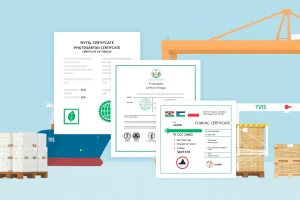
- Phytosanitary Certificate (PC): Must list methyl bromide, concentration, exposure time, and reference to ISPM 28.
- Treatment Permit (TP): Issued before fumigation; includes batch number, container ID, and safety measures.
- Fumigation Log Sheet: Records date, time, temperature, humidity, gas concentration, and aeration period.
- Residue Test Report (if required): Laboratory analysis confirming that bromide residues are below the maximum residue limit (MRL) of 0.1 mg kg⁻¹ for most food crops.
- Safety Data Sheet (SDS): For the handling and emergency response of methyl bromide.
All documents should be in the language required by the destination country (often English, Spanish, French, or Chinese) and submitted electronically where possible.
Requirements & Standards
“Methyl bromide may be used as a phytosanitary treatment only when a national authority has issued a written permit that complies with ISPM 28 and when the treatment is recorded on a phytosanitary certificate.” – IPPC ISPM 28 (2022)
Key standards extracted from the primary sources:
| Standard | Requirement | Reference |
|---|---|---|
| Concentration | 5–30 g m−3 (depending on pest and commodity) | IPPC ISPM 28, sec. 4.2 |
| Exposure Time | 2–12 hours at 15‑30 °C | USDA‑APHIS, Fumigation Manual 2021 |
| Residue Limit | ≤ 0.1 mg kg⁻¹ (food crops) | Codex Alimentarius, CAC/GL 20‑1993 |
| Permit Validity | Maximum 30 days from issuance | EU Plant Health Regulation 2016/2031 |
Compliance with these numeric thresholds is audited during both pre‑export verification and post‑arrival inspection.
Step‑by‑Step Checklist (How‑to Trigger the Treatment)
- Confirm necessity: Verify that the destination country lists methyl bromide as an approved treatment for the commodity.
- Request a Treatment Permit: Submit a written request to the exporting NPPO with commodity details, shipment volume, and proposed fumigation parameters.
- Schedule accredited fumigation: Choose a certified fumigation provider; ensure they can supply a calibrated gas‑monitoring system.
- Perform fumigation: Follow the approved dosage and exposure schedule; keep real‑time gas concentration records.
- Complete documentation: Fill out the Treatment Log Sheet, obtain the Post‑Treatment Residue Report (if required), and collect the signed PC.
- Notify the importer: Transmit electronic copies of all documents at least 48 hours before vessel departure.
- Prepare for arrival inspection: Have a sample ready for residue testing and ensure the container seal numbers match the PC.
Tick each item before the cargo leaves the export terminal to minimize the risk of border holds.
Common Mistakes & Rejection Reasons
Even experienced exporters stumble over a few recurring issues:
- Missing or outdated Treatment Permit: Customs will reject the shipment if the permit does not cover the exact container ID.
- Incorrect gas concentration: Under‑dosing leads to ineffective pest control; overdosing can breach residue limits.
- Insufficient aeration: Residual methyl bromide above 1 ppm poses a safety hazard and violates import regulations.
- Documentation language mismatch: Some countries require translation into the official language; failure results in “incomplete documentation.”
- Failure to declare the treatment: If the PC does not explicitly state methyl bromide, the importer’s NPPO may assume an untreated consignment.
Addressing these points during the pre‑export audit dramatically reduces the chance of a border hold.
Real‑World Example/Scenario
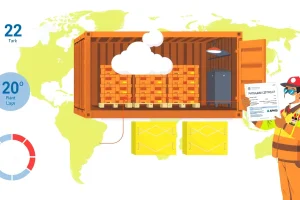
Scenario: A Colombian exporter ships 20 MT of ripe mangoes to the United Arab Emirates (UAE). The UAE’s NPPO requires methyl bromide treatment for mangoes to control the fruit fly Ceratitis capitata.
- The exporter applies to Colombia’s NPPO for a Treatment Permit, specifying 25 g m−3 for 6 hours at 22 °C.
- A certified fumigation contractor treats the cargo in a sealed container at the port of Cartagena, records a peak concentration of 27 g m−3, and aerates for 4 hours.
- After fumigation, the contractor provides a Treatment Log and a residue analysis showing 0.04 mg kg−1 bromide, well below the 0.1 mg kg−1 limit.
- The Colombian NPPO issues a Phytosanitary Certificate that cites methyl bromide, the exact dosage, and the ISPM 28 reference.
- The UAE importer forwards the PC to the local customs broker, who uploads the documents to the UAE’s electronic phytosanitary system 72 hours before vessel arrival.
- Upon arrival, UAE officials conduct a rapid visual inspection; the residue report satisfies the safety requirement, and the cargo is cleared without delay.
This example illustrates how meticulous adherence to the checklist and documentation protocol can turn a potentially risky treatment into a smooth, compliant transaction.
Conclusion
Methyl bromide remains a vital, albeit tightly regulated, tool for international plant‑health trade. By understanding the scientific basis, aligning with IPPC and NPPO standards, and following a disciplined documentation workflow, exporters and their logistics partners can avoid costly rejections and keep market access open. Regularly review the latest ISPM revisions and national amendments, because the regulatory landscape evolves in response to environmental concerns and emerging pest threats.
FAQ
Can methyl bromide be used for organic produce?
No. Organic certification standards prohibit synthetic fumigants, including methyl bromide, unless an exemption is granted by the certifying body.
What happens if methyl bromide residues exceed the MRL after arrival?
The shipment will be detained, and the importing NPPO may require disposal, re‑treatment, or a corrective action plan. The exporter may also face fines.
Is a separate import permit required in the destination country?
Most countries rely on the Phytosanitary Certificate that cites methyl bromide treatment. However, some jurisdictions (e.g., EU) also require an import permit for certain high‑risk commodities.





Leave a Reply