Short Answer
International trade in soil, potting mixes, and other growing media is tightly regulated to prevent the spread of soil‑borne pests and pathogens. The International Standards for Phytosanitary Measures No. 14 (ISPM 14) sets the global baseline for how these commodities must be treated, documented, and inspected. This pillar article breaks down the mandatory requirements into plain‑English sections that exporters, importers, customs brokers, freight forwarders, and agriculture students can reference quickly and confidently.
Overview
ISPM 14, adopted by the International Plant Protection Convention (IPPC) in 2020 and revised in 2022, governs the regulation of soil and growing media (SGM) used in international shipments. The standard defines:
- What constitutes “soil and growing media” for phytosanitary purposes.
- Which pests are considered regulated under the standard (e.g., Phytophthora ramorum, Ralstonia solanacearum).
- Minimum treatment or certification requirements before export.
- Procedures for issuing a phytosanitary certificate (PC) that references ISPM 14.
Compliance is mandatory for all parties moving SGM across borders that have adopted the IPPC framework, which includes virtually every WTO member.
Why it matters (real stakes for exporters/importers)
Failure to meet ISPM 14 can lead to costly delays, cargo re‑inspection, or outright rejection at the port of entry. The economic impact includes:
- Lost market access: A single non‑compliant consignment can trigger a temporary ban on the exporter’s product line.
- Additional treatment costs: Re‑treatment under emergency conditions is typically more expensive than planned compliance.
- Reputation damage: Repeated non‑compliance erodes trust with National Plant Protection Organizations (NPPOs) and trading partners.
For importers, non‑compliant SGM can introduce invasive pests that threaten local agriculture, leading to quarantine measures and potential eradication programs funded by the government.
Import/export procedure
The typical workflow for an ISPM 14‑compliant shipment follows six steps:
- Pre‑export risk assessment: Identify if the commodity is listed as a regulated SGM in the destination country.
- Choose an approved treatment: Heat, chemical, or sterilisation meeting the parameters in ISPM 14 Annex III.
- Document the treatment: Obtain a treatment certificate from an accredited laboratory or approved facility.
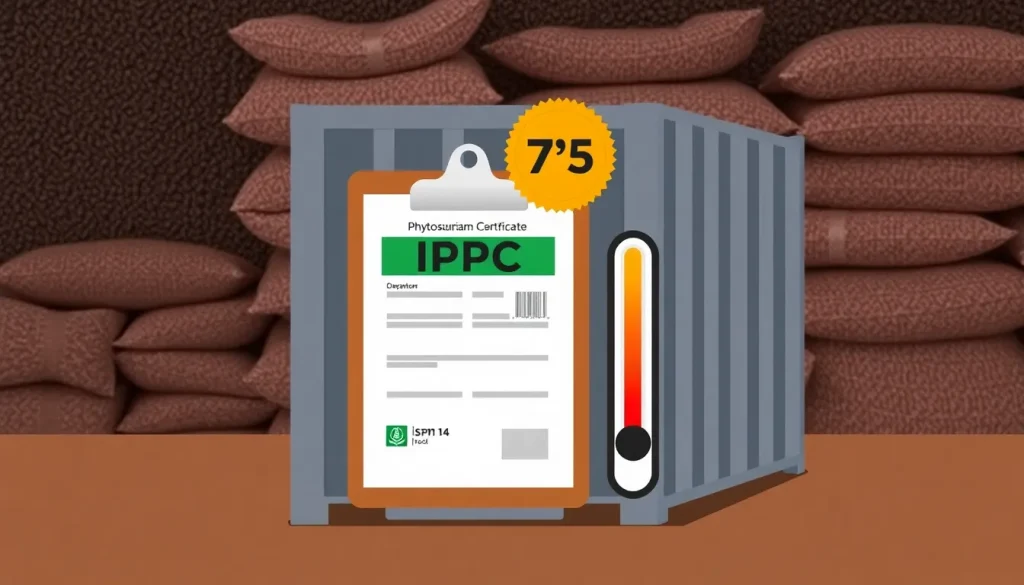
- Apply the phytosanitary seal: Seal the container with an IPPC‑approved seal indicating treatment compliance.
- Request a phytosanitary certificate: Submit treatment records to the exporting NPPO for issuance of a PC that cites ISPM 14.
- Customs clearance: Present the PC and supporting documents to the importing country’s quarantine authority for inspection.
Each step must be documented and retained for at least three years in case of audit.
Required documents
Importers and exporters must provide a consistent set of paperwork:
| Document | Purpose | Issued By |
|---|---|---|
| Phytosanitary Certificate (PC) – ISPM 14 Annex II | Official proof that the consignment meets the standard. | Exporting NPPO |
| Treatment Certificate | Details of heat, chemical, or other approved treatment. | Accredited treatment facility or lab |
| Commercial Invoice & Packing List | Customs valuation and identification of SGM. | Exporter |
| Import Permit (if required) | Authorisation from the importing NPPO. | Importing NPPO |
All documents must be in the official language of the importing country or accompanied by a certified translation.
Control / treatment
ISPM 14 lists three primary treatment categories, each with specific parameters:
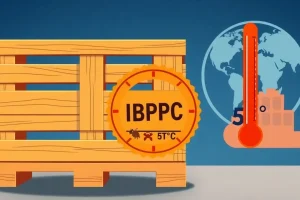
- Heat treatment: Minimum of 70 °C for 30 minutes throughout the bulk material (ISO 18531‑1).
- Chemical fumigation: Use of methyl bromide or phosphine at concentrations and exposure times validated by the NPPO.
- Sterilisation (e.g., autoclaving): 121 °C at 1 atm for at least 30 minutes.
Any alternative method must be scientifically validated and approved by the exporting NPPO. The treatment must be recorded in a log that includes batch number, temperature curves, and operator signature.
Requirements & standards
“All soil and growing media intended for export must be either (a) free of regulated pests, or (b) treated in accordance with the parameters set out in ISPM 14 Annex III, and accompanied by a phytosanitary certificate referencing ISPM 14.” – International Standards for Phytosanitary Measures No. 14, 2022
The core standards are:
- Annex I – Definition of Soil and Growing Media: Includes any substrate that can support plant growth, such as peat, compost, sand, and rockwool.
- Annex II – Certification Requirements: Specifies the format of the PC, required statements, and seal specifications.
- Annex III – Treatment Standards: Provides temperature, time, and chemical dosage thresholds.
National Plant Protection Organizations (NPPOs) may impose stricter measures (e.g., additional inspections) but cannot relax the minimum ISPM 14 standards.
Step‑by‑step checklist (How‑to trigger compliance)
- Confirm that the destination country lists soil/growing media under ISPM 14.
- Select an approved treatment method and schedule the process.
- Conduct the treatment and retain real‑time monitoring data.
- Obtain a treatment certificate from the accredited provider.
- Apply an IPPC‑approved phytosanitary seal to the container.
- Submit all records to the exporting NPPO for PC issuance.
- Verify that the PC includes the exact wording: “This consignment complies with ISPM 14, Annex III.”
- Prepare the commercial invoice, packing list, and any required import permits.
- Present the full dossier to the importing quarantine authority on arrival.
- Retain all documentation for a minimum of three years.
Common mistakes & rejection reasons
Even experienced shippers stumble over a few recurring pitfalls:
- Missing or incorrect seal number: Leads to immediate refusal of entry.
- Temperature log gaps: Incomplete heat‑treatment records raise doubts about efficacy.
- Using non‑approved chemicals: Any deviation from the NPPO‑approved list is a ground for rejection.
- Failure to translate the PC: Importing authorities cannot process certificates in an unfamiliar language.
- Inadequate packaging: Soil that leaks or spills during transport is considered “uncontrolled” and may be seized.
Address these issues early by implementing a quality‑control checklist at the point of treatment and before document submission.
Real‑world example / scenario
Scenario: A Dutch horticultural exporter ships 20 tonnes of peat‑based potting mix to Kenya for a commercial greenhouse project.
Steps taken:
- The exporter checks Kenya’s NPPO website and confirms that peat is listed under ISPM 14, requiring heat treatment.
- Heat treatment is performed at 75 °C for 45 minutes, monitored by a calibrated data logger.
- A treatment certificate is issued by the Dutch accredited lab, noting batch number “NL‑PEAT‑2024‑07”.
- The export NPPO issues a PC (Serial 2024‑00123) citing ISPM 14 Annex III.
- The container is sealed with an IPPC‑approved orange seal (Seal No. 12345‑NL).
- On arrival in Mombasa, Kenya’s Plant Quarantine Service verifies the seal, reviews the PC, and releases the cargo without delay.
Had the exporter omitted the heat‑treatment log, Kenyan officials would have detained the shipment for re‑inspection, incurring a 7‑day delay and additional storage fees.
Conclusion
ISPM 14 provides a clear, science‑based framework that protects global agriculture while enabling smooth trade in soil and growing media. By following the outlined procedures, maintaining accurate documentation, and avoiding common errors, exporters and importers can achieve rapid clearance and preserve market confidence.
| Quick Fact | Detail |
|---|---|
| Effective date of current ISPM 14 | January 2022 (revision 2022) |
| Minimum heat‑treatment temperature | 70 °C for 30 min (ISO 18531‑1) |
| Primary governing body | International Plant Protection Convention (IPPC) |
| Typical seal colour | Orange or red IPPC‑approved seal |
| Document retention period | Minimum 3 years after shipment |
FAQ
Do all countries require heat treatment for soil exports?
No. While ISPM 14 sets a minimum standard, individual NPPOs may accept alternative treatments (e.g., chemical fumigation) if they are scientifically validated and approved.
Can a shipment be cleared with a digital phytosanitary certificate?
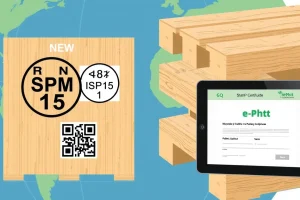
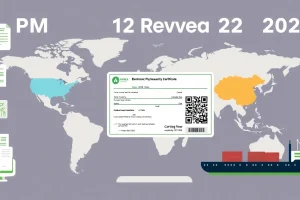
Yes. Many NPPOs now accept electronic PCs through the e‑Phytosanitary system, provided the digital signature meets IPPC requirements.
What happens if the seal on the container is broken during transit?
The consignment must be re‑inspected and re‑sealed by an authorized authority; failure to do so can result in rejection or additional treatment at the destination.




Leave a Reply