Short Answer
Fruit flies represent one of the most significant biosecurity threats to global agriculture and international trade. For exporters, importers, and logistics professionals, understanding the fruit fly quarantine profile is not merely a regulatory formality but a critical component of supply chain integrity. These pests can devastate horticultural industries, leading to massive economic losses and strict trade embargoes. This guide provides a detailed encyclopedia-style reference for navigating the complex phytosanitary requirements surrounding fruit fly regulated pests.
Overview
Fruit flies, primarily belonging to the families Tephritidae and Drosophilidae, are insects whose larvae feed on a wide range of fruits and vegetables. In the context of international trade, the focus is predominantly on Tephritid fruit flies, which are highly destructive quarantine pests. A quarantine profile outlines the specific biological characteristics, regulatory status, and mitigation measures required to prevent the introduction or spread of these pests across borders. National Plant Protection Organizations (NPPOs) utilize these profiles to determine import eligibility and certify export consignments.
Why It Matters for Trade
The stakes for non-compliance are exceptionally high. If a consignment is found infested upon arrival, the consequences can be severe. Common outcomes include:
- Immediate rejection and destruction of the cargo.
- Re-exportation at the exporter’s expense.
- Mandatory fumigation or cold treatment at the port of entry.
- Suspension of the exporting facility or region.
For freight forwarders and customs brokers, understanding these risks ensures accurate documentation and prevents costly delays. For exporters, adherence to the quarantine profile maintains market access and reputation.
Scientific Classification
Accurate identification is the cornerstone of quarantine compliance. While thousands of fruit fly species exist, regulatory focus targets specific genera. The most notorious include Bactrocera, Ceratitis, and Anastrepha. For example, the Mediterranean fruit fly (Ceratitis capitata) and the Oriental fruit fly (Bactrocera dorsalis) are globally regulated. Misidentification can lead to inappropriate treatment applications, rendering the phytosanitary certificate invalid.
Distribution and Regulatory Status
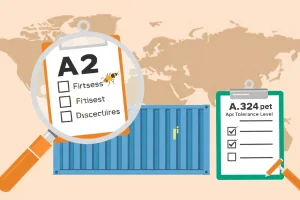
Fruit flies are categorized based on their presence within specific regions. The International Plant Protection Convention (IPPC) guidelines help classify pests as A1 (absent from the region) or A2 (present but locally distributed).
| Region | Key Pest Status | Regulatory Action |
|---|---|---|
| North America | Ceratitis capitata (A1 in many states) | Strict inspection and treatment |
| European Union | Bactrocera oleae (Present) | Monitoring and containment |
| Asia-Pacific | Bactrocera dorsalis (Widespread) | Area-wide management required |
Exporters must verify the specific status of the pest in both the country of origin and the destination country via the IPPC Phytosanitary Portal.
Host Range
Fruit flies are polyphagous, meaning they attack multiple host species. The quarantine profile specifies which commodities are regulated. High-risk hosts include mangoes, citrus, peppers, and stone fruits. However, some processed forms, such as frozen pulp or dried fruits, may be exempt if the processing method kills the pest. Understanding the host range helps traders determine if their specific commodity requires a phytosanitary certificate or if it qualifies for an exemption.
Requirements and Standards
Compliance is governed by International Standards for Phytosanitary Measures (ISPMs). Primary standards include:
ISPM 26: Establishment of Pest Free Areas for Fruit Flies (Tephritidae)
ISPM 28: Phytosanitary Treatments for Regulated Pests
ISPM 12: Phytosanitary Certificates
NPPOs enforce these standards. Exporters must ensure their Production Sites are registered and inspected. The phytosanitary certificate must include specific additional declarations referencing the freedom from fruit flies or the treatment applied, such as “Consignment treated by cold treatment according to ISPM 28.”
Control and Treatment Options
When fruit flies are present in the area of production, mitigation measures are mandatory. Approved treatments vary by commodity and destination requirements.
- Cold Treatment: Maintaining specific core temperatures for a set duration to kill eggs and larvae.
- Heat Treatment: Vapor heat or hot water immersion for certain fruits.
- Fumigation: Use of methyl bromide (where permitted) or phosphine.
- Systems Approach: Combining multiple risk mitigation measures, such as bagging fruit on trees and field sanitation.
Treatment facilities must be certified by the NPPO, and data loggers are often required to verify temperature profiles during transit.
Common Mistakes and Rejection Reasons
Border rejections often stem from administrative errors rather than actual infestation. Top reasons for rejection include:
- Missing or incorrect Additional Declarations on the Phytosanitary Certificate.
- Treatment certificates not matching the shipment details.
- Broken cold chain seals during transit.
- Presence of host material (leaves, stems) not declared in the profile.
Customs brokers should cross-check the certificate against the import permit requirements before the cargo arrives.
Step-by-Step Compliance Checklist
To ensure smooth clearance, follow this procedural workflow:
- Verify Pest Status: Check the IPPC portal for the destination country’s requirements.
- Register Facility: Ensure the packhouse is approved by the local NPPO.
- Implement Monitoring: Use traps in the orchard to prove pest freedom.
- Apply Treatment: Conduct required cold or heat treatment under supervision.
- Inspect Consignment: Official inspector verifies freedom from pests.
- Issue Certificate: NPPO issues the Phytosanitary Certificate with correct codes.
- Maintain Chain of Custody: Ensure seals remain intact during shipping.
Real-World Scenario
Consider an exporter shipping mangoes from a region where Bactrocera dorsalis is present to a pest-free zone. The exporter must establish a Pest Free Place of Production (PFPP). Traps are placed around the orchard. If a fly is caught, the buffer zone expands, and shipment halts. If no flies are caught for the required period, the fruit is harvested, treated via vapor heat, and inspected. The certificate states the treatment schedule number. Upon arrival, border agents verify the seal and document accuracy. If all align, the cargo is released; if the seal is broken, the cargo is held for inspection.
Conclusion
Navigating the fruit fly quarantine profile requires diligence, accurate documentation, and strict adherence to international standards. By understanding the biological risks and regulatory frameworks, trade professionals can mitigate the risk of rejection and contribute to global biosecurity. Continuous monitoring of IPPC updates and NPPO notifications is essential for maintaining compliance in a dynamic regulatory environment.
FAQ
What happens if fruit flies are found during inspection?
The consignment may be rejected, destroyed, re-exported, or subjected to emergency treatment at the importer's expense.
Is a phytosanitary certificate always required for fruit?
Most fresh fruits require one, but processed fruits or those from Pest Free Areas may have different documentation requirements.
How long does cold treatment take?
Duration varies by temperature and pest species, typically ranging from 14 to 22 days at specific core temperatures.





Leave a Reply