Short Answer
The General Administration of Customs of China (GACC) maintains strict oversight over overseas production enterprises exporting food and agricultural products to China. Maintaining an active registration is not a one-time event but a continuous compliance obligation. This guide provides a detailed, encyclopedia-style reference for exporters, importers, and compliance specialists on how to update or renew a China GACC registration effectively.
Overview
GACC registration is a mandatory requirement for overseas manufacturers producing specific categories of food and agricultural products destined for the Chinese market. Implemented primarily under Decree 248 and Decree 249, these regulations require foreign facilities to register with Chinese customs authorities before shipment. The registration is valid for a specific period, typically five years, after which it must be renewed. Failure to maintain valid registration results in immediate rejection of goods at Chinese ports.
Why It Matters
For exporters and importers, the stakes of GACC compliance are high. An expired or inaccurate registration leads to cargo detention, destruction, or re-exportation at the owner’s expense. Beyond financial loss, repeated non-compliance can result in the blacklisting of the facility, permanently barring access to one of the world’s largest consumer markets. Importers rely on valid GACC numbers to clear customs, making this a critical link in the supply chain.
According to GACC Decree 248, overseas production enterprises shall be responsible for the safety and hygiene of their exported food and ensure that the registration information remains true and accurate.
Regulatory Authority and Contact
The primary regulatory body is the General Administration of Customs of the People’s Republic of China (GACC). Registration is managed through the China Import Food Enterprise Registration (CIFER) system. While GACC sets the standards, competent authorities in the exporting country (such as the NPPO or national food safety agency) often facilitate the recommendation for certain high-risk categories. Exporters should maintain contact with their local national competent authority to ensure alignment with GACC requirements.
Types and Categories
GACC classifies products into specific categories requiring different registration pathways. There are 18 specific categories of food products that require registration via the competent authority of the exporting country. These include meat, aquatic products, dairy, and bird’s nest. Other food products may allow the enterprise to apply directly via the CIFER system. Understanding which category your commodity falls under is the first step in the renewal process.
| Category Type | Registration Method | Validity Period |
|---|---|---|
| 18 High-Risk Categories | Via Competent Authority | 5 Years |
| Other Food Products | Direct Enterprise Application | 5 Years |
| Storage Warehouses | Direct Enterprise Application | 5 Years |
Requirements and Standards
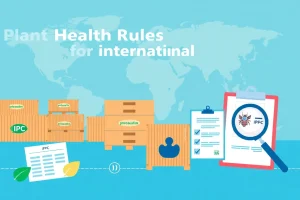
Compliance is anchored in international standards and Chinese national laws. The primary sources include the International Plant Protection Convention (IPPC) for plant-based products and China’s Food Safety Law. Enterprises must demonstrate adherence to Good Manufacturing Practices (GMP) and Hazard Analysis Critical Control Point (HACCP) systems. During renewal, the enterprise must prove that these systems remain operational and effective.
Required Documents
To update or renew a registration, specific documentation must be prepared and uploaded to the CIFER system. While requirements vary by product category, the core documents generally include:
- Business License: Proof of legal operation in the exporting country.
- Food Safety Management System Certificates: Evidence of HACCP or ISO 22000 certification.
- Facility Photos: Recent images of the production line and storage areas.
- Self-Inspection Report: A detailed report confirming compliance with GACC Decree 248.
- Previous Registration Number: The existing GACC code assigned to the facility.
Step‑by‑Step Checklist
The renewal process should begin at least three months before the expiration date. Follow this logical sequence to ensure successful processing:
- Log in to CIFER: Access the China Import Food Enterprise Registration system using your existing credentials.
- Review Existing Data: Navigate to the enterprise profile and review all registered information for accuracy.
- Update Changes: If there have been changes to the legal representative, production address, or product scope, update these fields immediately.
- Upload Documents: Attach the required self-inspection report and supporting certificates in the specified formats (usually PDF or JPG).
- Submit Application: Once all data is verified, submit the renewal application through the system.
- Monitor Status: Track the application status regularly. If recommended by a competent authority, coordinate with them for approval.
- Receive Confirmation: Upon approval, download the updated registration certificate and verify the new validity dates.
Common Mistakes and Rejection Reasons
Applications are frequently rejected due to preventable errors. The most common issues include mismatched information between the business license and the CIFER application, expired safety management certificates, or incomplete self-inspection reports. Additionally, failing to report changes in production capacity or address prior to renewal can trigger a compliance audit, delaying the process. Ensure all translated documents are accurate and match the original language versions.
Real‑World Example
Consider a frozen fruit exporter in Southeast Asia. Their GACC registration was set to expire in December. In September, the compliance manager logged into CIFER and noticed the address on file differed slightly from the new business license due to a recent street renaming. They updated the address, uploaded the new license and a fresh HACCP certificate, and submitted the renewal. Because they acted early, the renewal was approved in November, allowing December shipments to clear customs without interruption.
Conclusion
Updating or renewing a China GACC registration is a critical compliance task that requires attention to detail and proactive management. By understanding the regulatory framework, preparing accurate documentation, and utilizing the CIFER system effectively, exporters can maintain seamless access to the Chinese market. Regular audits and early renewal applications are the best strategies to mitigate risk.
FAQ
How early should I start the GACC renewal process?
It is recommended to begin the renewal process at least 3 to 6 months before the registration expiration date to account for processing delays.
Can I update my product scope during renewal?
Yes, you can update the product scope, but additional documentation or inspections may be required depending on the new category.
What happens if my GACC registration expires?
If registration expires, you cannot export to China until the renewal is approved, and shipments may be rejected at the border.








Leave a Reply