Short Answer
U.S. Animal and Plant Health Inspection Service (APHIS) protects American agriculture by inspecting, monitoring, and, when necessary, quarantining imported plant material. Post‑Entry Monitoring (PEM) and quarantine are the final safeguards that occur after a shipment clears customs but before it can be released into the domestic market. Understanding these procedures helps exporters avoid costly delays, importers maintain market access, and customs brokers ensure compliance with federal law.
Overview
Post‑Entry Monitoring is a risk‑based surveillance program that verifies the health status of regulated commodities after they have entered the United States. If a pest or disease is detected, APHIS may impose a quarantine, which isolates the material until it is treated, destroyed, or otherwise cleared. The program is governed by the Plant Protection Act (PPA) and implements International Plant Protection Convention (IPPC) standards, specifically ISPM 21 (Regulation of Pest‐Free Areas) and ISPM 31 (Post‑Entry Quarantine).
Why it Matters (Real Stakes for Exporters/Importers)
Non‑compliance can lead to:
- Shipment rejection or detention – causing loss of revenue and market credibility.
- Additional treatment costs – e.g., fumigation, cold treatment, or biological control.
- Legal penalties – up to $250,000 per violation under the PPA.
- Long‑term trade restrictions – the United States may suspend entry of the commodity from the offending exporter’s country.
For example, in 2022 a batch of mangoes from Mexico was detained because the required post‑entry monitoring plan was missing; the importer incurred $45,000 in storage fees and lost a key seasonal contract.
How it Works
APHIS follows a four‑phase workflow:
- Risk assessment – APHIS reviews the commodity, origin, and pest list to determine if PEM is required.
- Monitoring plan approval – the importer submits a PEM plan outlining sampling frequency, inspection points, and contingency actions.
- Field implementation – certified inspectors conduct visual inspections, trap collections, and laboratory testing according to the approved plan.
- Outcome decision – if no pest is found, the shipment is released; if a regulated pest is detected, quarantine measures are triggered per ISPM 31.
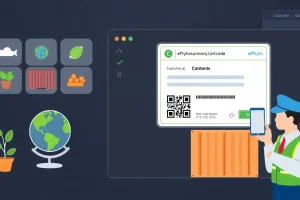
All steps are documented in APHIS’s electronic system, e‑Pest, which provides real‑time status updates to stakeholders.
Regulatory Authority & Contact
The primary authority resides with USDA‑APHIS Plant Protection and Quarantine (PPQ). Regional Plant Health Offices (RPHOs) handle on‑the‑ground inspections.
| Agency | Division | Contact |
|---|---|---|
| USDA‑APHIS | Plant Protection and Quarantine | Phone: 1‑800‑252‑5355 |
| PPQ Regional Office – Pacific | Import Inspection | email: pacific.ppq@aphis.usda.gov |
| PPQ Regional Office – Southeast | Quarantine Enforcement | email: southeast.ppq@aphis.usda.gov |
For urgent matters, use the APHIS “Contact Us” portal (https://www.aphis.usda.gov/contact).
Import/Export Procedure
Both exporters and importers share responsibility for a smooth PEM process:
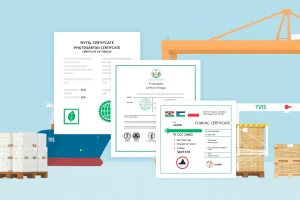
- Exporter prepares a phytosanitary certificate (PC) that cites compliance with the exporting country’s NPPO and any required treatments.
- Importer files an Importer’s Notice of Arrival (INA) through the Automated Commercial Environment (ACE) and uploads the PC.
- Customs broker ensures the INA includes the correct HS code and that the PC is attached before release to the APHIS inspection point.
- APHIS inspector validates the PC, reviews the PEM plan, and either releases the cargo or initiates monitoring.
Failure at any step can trigger a “Hold” status, requiring additional documentation before the cargo moves.
Required Documents
The following documents are mandatory for shipments subject to PEM:
- Phytosanitary Certificate (issued by the exporting country’s NPPO).
- Importer’s Notice of Arrival (INA) entered in ACE.
- Approved Post‑Entry Monitoring Plan (PDF or electronic format).
- Laboratory test results (if required by the PEM plan).
- Proof of treatment (e.g., fumigation certificate, cold‑treatment log).
All documents must be in English or accompanied by a certified translation. Missing or inaccurate paperwork is the most common cause of shipment denial.
Common Mistakes & Rejection Reasons
Even experienced shippers make avoidable errors:
| Issue | Impact |
|---|---|
| Incorrect HS code | Automatic hold; requires re‑submission. |
| Phytosanitary certificate does not list required treatment | Quarantine imposed; may require re‑treatment. |
| PEM plan not approved before arrival | Shipment detained for up to 30 days. |
| Late submission of laboratory results | Release delayed; possible destruction. |
To avoid these pitfalls, double‑check the APHIS “Import Requirements” database for the specific commodity before shipment.
Step‑by‑Step Checklist (How‑to Trigger PEM)
- Confirm the commodity is listed in the APHIS Regulated Articles database.
- Obtain a phytosanitary certificate that cites any required pre‑export treatment.
- Develop a post‑entry monitoring plan that meets ISPM 31 criteria.
- Submit the PEM plan to the appropriate RPHO at least 7 business days before arrival.
- Enter the INA in ACE and attach the PC and PEM plan.
- Coordinate with the customs broker to ensure the shipment is directed to an APHIS inspection site.
- Allow APHIS inspectors to conduct the first inspection within 48 hours of arrival.
- Provide any requested laboratory samples within the stipulated timeframe.
- Receive the final release order; retain all documentation for a minimum of 5 years.
Following this checklist reduces the likelihood of a “hold” and expedites market entry.
Real‑World Example/Scenario
In March 2024, a U.S. importer received a consignment of avocado pits from Peru. The NPPO issued a phytosanitary certificate stating the fruit had undergone a 2‑hour hot‑water treatment. The importer’s PEM plan called for weekly visual inspections for 30 days, but the plan was submitted only after the cargo cleared customs. APHIS placed the shipment under quarantine, requiring an additional cold‑treatment that cost $12,000. By re‑submitting the PEM plan in advance for the next shipment, the importer avoided the extra treatment and released the product within 72 hours of arrival.
This scenario illustrates the financial and timing impact of late PEM plan approval.
Conclusion
U.S. APHIS post‑entry monitoring and quarantine are critical layers of the nation’s plant‑health defense. Exporters, importers, customs brokers, and freight forwarders who understand the regulatory framework, prepare accurate documentation, and follow the step‑by‑step checklist can move goods efficiently while protecting American agriculture. Staying current with APHIS notices and IPPC standards is the best strategy to avoid costly delays and maintain a competitive edge in global trade.
FAQ
Do all imported plant commodities require post‑entry monitoring?
No. Only commodities listed in the APHIS Regulated Articles database or those flagged for high‑risk pests are subject to PEM. Low‑risk items may be released upon receipt of a valid phytosanitary certificate.
Can I submit the PEM plan after the cargo has arrived?
Submitting the plan after arrival is possible but will trigger a quarantine hold until the plan is approved. To avoid delays, submit the PEM plan at least 7 business days before arrival.
What happens if a regulated pest is found during monitoring?
APHIS will impose a quarantine under ISPM 31. The importer must follow the prescribed treatment, destruction, or containment measures before the shipment can be released.





Leave a Reply