Short Answer
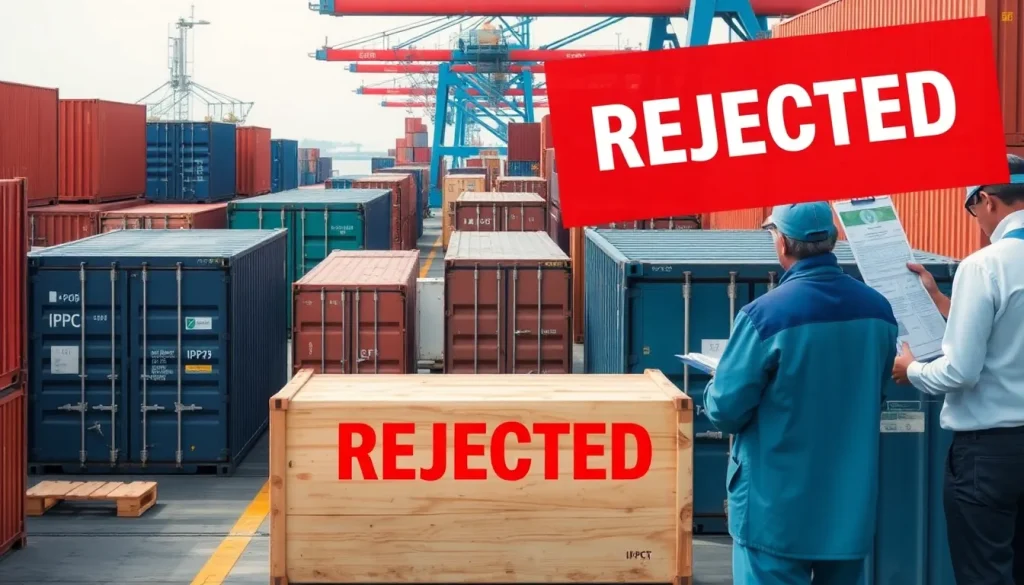
Every year, thousands of agricultural consignments are held up or turned back at international ports because they fail to meet phytosanitary standards. For exporters, importers, customs brokers, freight forwarders, and even students of plant health, understanding the exact triggers of a rejection can mean the difference between a profitable sale and a costly loss. This encyclopedia‑style article breaks down the most frequent port‑rejection reasons, the paperwork that must accompany each shipment, and the practical steps you can take to keep your cargo moving.
Overview
Port rejection occurs when a shipment does not satisfy the regulatory requirements of the importing country’s National Plant Protection Organization (NPPO) or the International Plant Protection Convention (IPPC) standards. The most common triggers fall into three broad categories:
- Documentation gaps – missing, expired, or improperly filled phytosanitary certificates.
- Treatment non‑compliance – failure to apply, certify, or verify required fumigation, heat treatment, or pest‑free production measures.
- Pest detection – live insects, fungal spores, or disease symptoms observed during inspection.
Each of these categories is linked to specific legal references, such as IPPC ISPM 15 (regulating wood packaging) or the importing country’s own plant‑health regulations.
Why It Matters (Real Stakes for Exporters/Importers)
Rejections can have immediate financial and reputational impacts:
- Direct costs – storage fees, re‑export fees, or destruction of the cargo can add up to 10‑30% of the shipment value.
- Supply‑chain disruption – delayed deliveries may breach contracts, trigger penalties, or cause downstream production stoppages.
- Regulatory consequences – repeated violations can lead to blacklisting of a company or tighter inspections for future shipments.
Understanding the root causes helps stakeholders mitigate risk and maintain market access.
Common Rejection Reasons at the Border
Below is a concise list of the most frequently cited reasons by customs and plant‑health officers:
| Reason | Typical Finding | Consequence |
|---|---|---|
| Missing Phytosanitary Certificate | No certificate attached to the consignment | Immediate hold; possible destruction |
| Expired Certificate | Certificate date older than 30 days (or as specified by NPPO) | Re‑issuance required; cargo delayed |
| Incorrect Commodity Code | HS code does not match the actual product | Customs re‑classification; possible fines |
| Unapproved Treatment | Fumigation not performed according to ISPM 15 or national decree | Cargo rejected or sent for re‑treatment |
| Pest Presence | Live insects, larvae, or disease lesions found during inspection | Immediate quarantine, possible eradication |
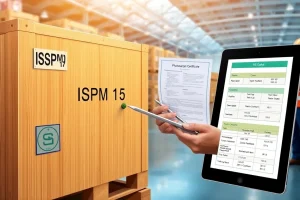
| Non‑compliant Wood Packaging | Wood pallets lacking heat‑treatment stamp (IPPC‑HT) or fumigation mark | Re‑packaging required; cargo delayed |
Required Documents
Every phytosanitary clearance hinges on a core set of documents. Missing any one of them is a common cause of rejection.
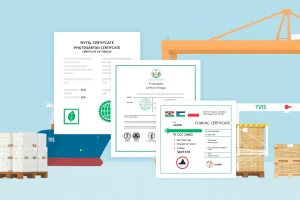
- Phytosanitary Certificate (PC) – issued by the exporting NPPO, signed, and stamped.
- Commercial Invoice & Packing List – must match the commodity description on the PC.
- Import Permit (if required) – some high‑risk commodities need a pre‑approval from the importing NPPO.
- Treatment Certificate – evidence of heat treatment, fumigation, or irradiation, with date, method, and certifier.
- Wood Packaging Declaration (IPPC Form PH) – required for all wooden pallets, crates, or dunnage.
All documents should be presented in the language required by the destination (often English and the local official language) and should be legible, unaltered, and dated within the validity window.
Requirements & Standards (Cite Primary Source)
The baseline standards are set by the IPPC and implemented by each NPPO. The most frequently referenced documents are:
“International Standard for Phytosanitary Measures No. 15 (ISPM 15) – all wood packaging material used in international trade shall be either heat‑treated (HT) or methyl bromide fumigated (MB) and bear the IPPC mark. Failure to comply is grounds for rejection under most national plant‑health regulations.” – IPPC, 2022
National regulations often echo these standards. For example, the United States Animal and Plant Health Inspection Service (APHIS) cites 7 CFR 319.56‑2 for wood packaging, while the European Union follows Regulation (EU) 2016/2031, Annex III.
Key compliance points:
- PC must reference the exact IPPC pest‑free area (e.g., A1 for the EU, A2 for the US).
- Treatment certificates must list the method, temperature or concentration, duration, and certifier’s accreditation number.
- Wood packaging must display the IPPC HT or MB mark, the country code, and the unique serial number.
Common Mistakes & Rejection Reasons
Even experienced exporters make avoidable errors. The following checklist highlights the most frequent pitfalls:
- Using an outdated PC template – NPPOs update forms; an old template may lack required fields.
- Misspelling scientific names – a typo can trigger a “species not recognized” note.
- Failing to match commodity weight – discrepancies between the PC and the packing list raise suspicions.
- Neglecting to affix the IPPC stamp on wood pallets – visual inspection will flag the omission.
- Omitting the treatment date – the inspection officer cannot verify freshness of treatment.
Each mistake typically results in a “Documentary Deficiency” notice, followed by a hold or outright rejection.
Step‑by‑Step Checklist (How to Trigger a Smooth Clearance)
Use this actionable list before loading cargo onto a vessel:
- Confirm the commodity’s import eligibility on the destination NPPO website.
- Obtain the latest phytosanitary certificate template from your own NPPO.
- Arrange any mandated pre‑export treatments (e.g., heat‑treatment for wood, cold‑treatment for fruit).
- Secure a treatment certificate that includes method, parameters, and certifier ID.
- Prepare the commercial invoice and packing list; ensure HS codes, weights, and descriptions match the PC.
- Label all wooden packaging with the IPPC HT/MB mark and retain the Wood Packaging Declaration (Form PH).
- Translate required documents into the destination language, if necessary.
- Perform a pre‑shipment internal audit: cross‑check every field on the PC against the invoice, the treatment certificate, and the cargo.
- Submit the complete document set to the freight forwarder for inclusion in the electronic manifest (e.g., via the Automated Export System).
- Upon arrival, cooperate with the port’s plant‑health officer; have copies of all documents ready for inspection.
Following this checklist reduces the probability of a rejection to less than 5% for most regulated commodities.
Real‑World Example / Scenario
Case Study: Fresh Mango Export from Mexico to the EU (2023)
Mexican growers shipped a 20‑ton container of Hass mangoes to Spain. The shipment was rejected because:
- The phytosanitary certificate listed the scientific name as Mangifera indica (generic) instead of the cultivar‑specific Mangifera indica ‘Hass’, which the EU requires for traceability.
- The wood pallets were unmarked, violating ISPM 15.
- The treatment certificate for cold‑treatment (13 °C for 14 days) omitted the certifier’s accreditation number.
The EU NPPO issued a “Documentary Deficiency” notice, and the cargo was placed under quarantine for 7 days while a corrective shipment was arranged. The total loss, including market penalties, exceeded US $250,000.
After the incident, the exporter implemented the step‑by‑step checklist above, resulting in a 100% clearance rate for the next three shipments.
Conclusion
Port rejections are rarely the result of a single oversight; they usually stem from a cascade of missing or mismatched documents, non‑compliant treatments, and unnoticed pest presence. By mastering the common rejection reasons, aligning paperwork with IPPC and NPPO standards, and using the practical checklist provided, exporters and their logistics partners can dramatically improve clearance rates and protect their bottom line.
FAQ
What should I do if my phytosanitary certificate is missing a required field?
Contact your NPPO immediately to obtain a corrected certificate. Most NPPOs can issue a supplemental amendment within 24 hours if the error is identified before shipment.
Are electronic phytosanitary certificates accepted?
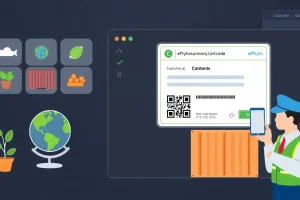
Many countries now accept e‑PCs through systems like ePhyto or the EPPO Global Database, but you must verify that the importing NPPO recognizes the specific electronic format.
Can I use alternative wood packaging if I cannot meet ISPM 15?
Yes, you may use certified plastic, metal, or composite pallets, but they must be declared on the commercial invoice and may still be subject to inspection.





Leave a Reply