
Short Answer
In today’s interconnected agricultural markets, a phytosanitary certificate (PC) is the passport that proves a consignment of plants, seeds, or wood products meets the importing country’s plant‑health standards. This pillar article explains the certificate’s purpose, the regulatory framework that governs it, and practical actions for every stakeholder in the supply chain.
Insert region‑specific notes, commodity‑focused requirements, or recent regulatory changes here.
What Is Phytosanitary Certification?
Definition and Legal Basis
A phytosanitary certificate is an official document issued by the national plant‑protection organization (NPPO) of the exporting country. It certifies that the consignment has been inspected, is free from regulated pests, and complies with the import conditions of the destination country.
When Is It Required?
- All live plants, cut flowers, seeds, bulbs, and certain processed plant products.
- When the importing country’s regulations specifically mandate a PC (the vast majority do).
- For shipments that will undergo quarantine, treatment, or fumigation abroad.
Key Benefits
Facilitates market access, reduces the risk of pest introductions, and provides legal protection for both exporter and importer.
Key Elements of Plant Quarantine
Inspection and Sampling
NPPO inspectors examine the commodity for visual signs of pests, take representative samples, and may conduct laboratory tests.
Treatment Verification
When a treatment (e.g., heat, fumigation) is required, the certificate records the method, dosage, and verification results.
Documentation Requirements
The PC must include:
- Exporter and importer details.
- Consignment description (species, quantity, weight).
- Origin of the product (field, warehouse, or nursery).
- Inspection date and findings.
- Any phytosanitary treatments applied.
- Reference to the specific ISPM standard that applies.
Overview of Plant‑Health Trade Compliance Frameworks
International Plant Protection Convention (IPPC)
The IPPC, administered by the Food and Agriculture Organization (FAO), establishes International Standards for Phytosanitary Measures (ISPMs). ISPM 12 specifically outlines the format of a phytosanitary certificate.
World Trade Organization (WTO) SPS Agreement
The SPS (Sanitary and Phytosanitary) Agreement obliges WTO members to base trade restrictions on scientific risk assessments and to recognize certifications issued by competent authorities.
Regional and National Add‑Ons
Regions such as the European Union (EU) and the United States have supplemental requirements. For example, the EU’s DG SANTE mandates electronic certificates (e‑PC) for many commodities.
Exporter Step‑by‑Step Guide
1. Confirm Import Requirements
Check the destination country’s plant‑health import conditions via the NPPO website or the IPPC portal.
2. Prepare the Consignment
- Harvest at the appropriate stage (e.g., seed maturity).
- Apply any pre‑export treatments required by the importing country.
- Package to prevent cross‑contamination.
3. Request Inspection
Submit a request to the local NPPO, providing commercial invoice, packing list, and any previous phytosanitary records.
4. Receive the Certificate
After successful inspection, the NPPO issues the PC—either paper or electronic. Verify that all details are correct before shipment.
5. Attach and Communicate
Place the PC with the commercial documents and inform the freight forwarder and importer of the certificate number.
Importer Step‑by‑Step Guide
1. Review Import Permits
Some countries require an import permit in addition to the PC. Obtain this from the destination NPPO before the shipment departs.
2. Verify Certificate Authenticity
Use the issuing NPPO’s online validation tool (many countries now provide QR‑code verification).
3. Coordinate with Customs
Submit the PC with the customs declaration. If the certificate is electronic, provide the reference number.
4. Post‑Entry Inspection
Customs or the local NPPO may conduct a spot check. Keep the original PC for at least five years as required by most jurisdictions.
Role of Customs Brokers & Freight Forwarders
Documentation Management
Customs brokers ensure the PC is correctly filed with the customs entry and that any electronic transmission meets the destination’s format.
Logistics Coordination
Freight forwarders schedule inspections, arrange transport to the NPPO inspection site, and manage the flow of paperwork between exporter and importer.
Risk Mitigation
Both parties monitor regulatory updates to prevent costly shipment holds or re‑export decisions.
Common Pitfalls and How to Avoid Them
Incomplete Commodity Description
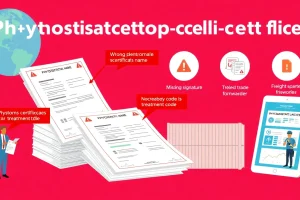
Vague or missing scientific names cause delays. Always include the accepted Latin name and any cultivar identifiers.
Wrong Treatment Records
Failure to document the exact treatment parameters (temperature, duration, chemical concentration) invalidates the PC.
Expired or Mismatched Certificates
Some countries require the PC to be issued within a specific time window (e.g., 30 days before shipment). Track issuance dates carefully.
“A well‑maintained PC log is the single most effective tool to prevent shipment rejections at the border.” – Senior Plant‑Health Compliance Officer
Practical Checklist & Quick Reference Table
Export Checklist
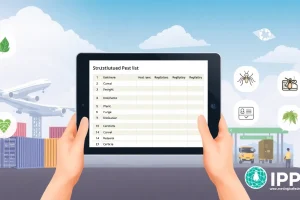
- Confirm import requirements (pest list, treatment).
- Secure any necessary import permits.
- Schedule NPPO inspection at least 7‑10 days before departure.
- Prepare commercial invoice, packing list, and previous PCs.
- Verify that the PC includes: exporter, importer, commodity details, treatment data, ISPM reference.
- Send electronic copy to freight forwarder; attach paper copy to cargo.
- Retain original PC for the statutory retention period.
Country‑Specific PC Requirements (selected)
| Country | Electronic PC Required? | Maximum Validity (days) | Special Notes |
|---|---|---|---|
| United States (USDA‑APHIS) | Yes (e‑PC) | 30 | QR‑code verification; must be uploaded to the Phytosanitary Certificate System (PCS). |
| European Union (DG SANTE) | Yes (e‑PC) | 30 | Electronic format mandatory for all plant products; uses the EPPO‑ePC portal. |
| Australia (DAFF) | No (paper accepted) | 45 | Requires a Biosecurity Import Permit in addition to PC. |
| Canada (CFIA) | Yes (e‑PC optional) | 30 | Electronic submission via the Automated Import Reference System (AIRS). |
| China (AQSIQ) | No (paper) | 30 | Must be translated into Mandarin for customs clearance. |
Glossary of Essential Terms
- NPPO – National Plant Protection Organization, the authority authorized to issue PCs.
- ISPM – International Standard for Phytosanitary Measures, a set of guidelines issued by the IPPC.
- SPS Agreement – WTO agreement governing sanitary and phytosanitary measures in international trade.
- Quarantine – A period of isolation imposed on a consignment to monitor for pest emergence.
- Fumigation – Chemical treatment used to eradicate pests in bulk shipments.
Regional Spotlight: Southeast Asia Exporters
Common Commodities
Fresh mangoes, durian, ornamental orchids, and rubber wood are among the top‑exported plant products from ASEAN nations.
Specific Requirements
- Indonesia mandates a pre‑export heat treatment for mangoes (45 °C for 30 min).
- Thailand requires a “Phytosanitary Inspection Certificate” stamped with the Ministry of Agriculture’s QR code for orchids.
Practical Tip
Work with a local NPPO liaison early in the production cycle to schedule inspections during the off‑peak season, reducing queue times.
By mastering the fundamentals of phytosanitary certification, trade professionals can streamline shipments, avoid costly border rejections, and contribute to global plant‑health security.
FAQ
How long before shipment should I request a phytosanitary certificate?
Schedule the NPPO inspection at least 7‑10 days before departure. This allows time for any required treatments and for the certificate to be issued within the typical 30‑day validity window.
Can I use a paper certificate if the destination country requires an electronic one?
No. Most countries that mandate e‑PCs (e.g., EU, USA, Canada) will reject paper certificates. Use the official electronic portal and retain the PDF version for your records.
What happens if my phytosanitary certificate is lost during transit?
Contact the issuing NPPO immediately. They can re‑issue a duplicate certificate, often within 24 hours, provided you supply the original certificate number and shipment details.
Do I need a phytosanitary certificate for processed foods like coffee or cocoa?
Generally, highly processed products that are no longer considered a plant commodity are exempt, but some countries still require a PC for raw beans or unroasted kernels. Verify the specific import rules of the destination.
Is a phytosanitary certificate enough to guarantee customs clearance?
A valid PC is essential, but customs may still conduct spot inspections, require additional permits, or request proof of treatment. Always coordinate with your customs broker to ensure all documents are complete.




Leave a Reply