Short Answer
For international traders engaging with the Indonesian agricultural market, understanding the regulatory landscape is critical for seamless commerce. At the heart of this system lies Barantin, the colloquial term for the Balai Karantina Pertanian (Agricultural Quarantine Center). Operated under the Ministry of Agriculture, Barantin functions as the operational arm of Indonesia’s National Plant Protection Organization (NPPO). For foreign buyers, exporters, and logistics professionals, comprehending the role of Barantin is not merely bureaucratic; it is the key to unlocking market access, ensuring biosecurity, and avoiding costly shipment rejections at Indonesian ports.
Overview of Barantin and Its Function
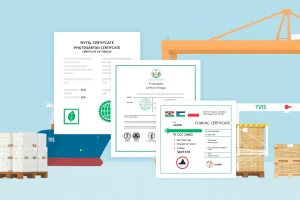
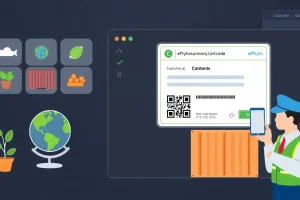
Barantin represents the network of agricultural quarantine centers stationed at major entry and exit points across the Indonesian archipelago. While the overarching policy body is the Badan Karantina Pertanian (Barantan), the local offices (Barantin) execute the physical inspection, certification, and clearance of plant commodities. Their primary mandate is to prevent the entry and exit of quarantine pests and diseases that could harm Indonesia’s biodiversity or affect the health of trading partners. For foreign buyers importing Indonesian plant products, Barantin is the entity that issues the Phytosanitary Certificate, a document required by almost all importing countries under International Plant Protection Convention (IPPC) standards.
Regulatory Authority and Contact Points
The legal framework governing Barantin is rooted in Law No. 21 of 2019 concerning Animal, Fish, and Plant Quarantine. This law empowers quarantine officers to inspect, sample, and detain commodities. The authority aligns with the WTO Sanitary and Phytosanitary (SPS) Agreement, ensuring measures are science-based and not disguised trade barriers. Foreign entities should recognize that Barantin officers are the designated signatories for official plant health documents. Contact is typically facilitated through the official Ministry of Agriculture portal or directly at port-specific offices such as those in Jakarta, Surabaya, or Medan. Establishing communication with the relevant Barantin office prior to shipment is a recommended best practice for complex commodities.
Import and Export Procedures
The clearance process involves a structured workflow to ensure compliance. For exports, the procedure begins with the exporter registering the commodity and requesting an inspection. Barantin officers verify that the goods meet the importing country’s requirements. For imports into Indonesia, foreign buyers must ensure their suppliers adhere to Indonesian import health conditions. The general flow includes registration, document verification, physical inspection, laboratory testing (if required), and finally, the issuance of clearance or certification. Delays often occur when shipments arrive without prior notification or when documentation does not match the physical cargo.
Required Documents for Clearance
Accuracy in documentation is the most common hurdle in plant health compliance. The following documents are typically mandated when interacting with Barantin for export certification:
- Phytosanitary Certificate Application Form: Completed accurately with commodity details.
- Commercial Invoice and Packing List: Must match the physical shipment exactly.
- Import Permit from Destination Country: Proof that the buyer is authorized to receive the goods.
- Treatment Certificates: If fumigation or heat treatment was required, official proof must be attached.
- Origin Declaration: Confirming the growing region to assess pest risk.
Missing or inconsistent data in any of these documents can halt the certification process immediately.
Requirements and Standards (IPPC/NPPO)
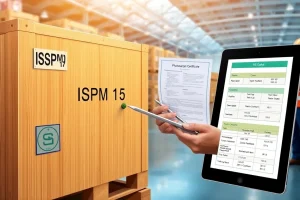
Barantin operates in strict accordance with International Standards for Phytosanitary Measures (ISPMs). Specifically, ISPM 12 governs the format of Phytosanitary Certificates, while ISPM 15 regulates wood packaging material. As the NPPO, Indonesia commits to these standards to facilitate safe trade. Foreign buyers should verify that the certificates issued by Barantin bear the official IPPC logo and the unique NPPO code for Indonesia. Any deviation from the standard certificate format may result in rejection by the importing country’s customs authority. Compliance with these standards ensures that the phytosanitary measures are recognized globally.
“Phytosanitary certificates must be issued by the National Plant Protection Organization of the exporting country and must conform to the model certificates set out in ISPM 12.” – IPPC Secretariat
Common Mistakes and Rejection Reasons
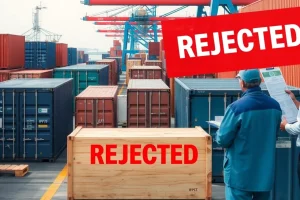
Even minor errors can lead to significant financial losses. The most frequent reasons for shipment rejection or certification denial at Barantin include:
- Incorrect Scientific Names: Using common names instead of valid botanical names on certificates.
- Discrepancies in Quantity: The weight or volume on the certificate does not match the invoice.
- Missing Additional Declarations: Failing to include specific wording required by the importing country.
- Pest Infestation: Live pests found during physical inspection at the quarantine station.
- Invalid Wood Packaging: Pallets or crates lacking the ISPM 15 mark.
Preventive verification of all documents before submission to Barantin officers is essential to mitigate these risks.
Real-World Example Scenario
Consider a scenario where a European buyer imports Indonesian cocoa beans. The buyer requires a Phytosanitary Certificate stating the goods are free from Cacao Swollen Shoot Virus. The Indonesian exporter submits the application to Barantin Jakarta. During inspection, officers find the wood pallets used for stacking lack the IPPC stamp. The shipment is held. The exporter must replace the packaging or treat it under supervision. Once resolved, Barantin issues the certificate with the specific additional declaration. Had the exporter verified the packaging beforehand, the delay and storage costs would have been avoided. This illustrates the importance of end-to-end compliance.
Conclusion
Navigating the phytosanitary requirements of Indonesia requires a clear understanding of Barantin’s role as the gatekeeper of plant health. For foreign buyers, ensuring that their supply chain partners are compliant with Barantin procedures is as important as negotiating price. By adhering to IPPC standards, preparing accurate documentation, and understanding the inspection workflow, traders can minimize risk and ensure the smooth flow of agricultural commodities. Barantin is not just a regulatory hurdle; it is a partner in ensuring the safety and quality of global plant trade.
Quick Facts: Barantin Compliance
| Feature | Detail |
|---|---|
| Authority | Ministry of Agriculture, Republic of Indonesia |
| NPPO Code | IDN (Indonesia) |
| Key Law | Law No. 21 of 2019 |
| Primary Document | Phytosanitary Certificate (ISPM 12) |
| Inspection Type | Documentary and Physical |
| Wood Packaging | ISPM 15 Compliant Required |
| Processing Time | Typically 1-3 working days post-inspection |
| Rejection Rate | High if documentation is inconsistent |
FAQ
What is the difference between Barantin and Barantan?
Barantan is the central agency body, while Barantin refers to the local quarantine center offices at ports that handle inspections.
Do all plant exports from Indonesia require a Barantin certificate?
Yes, virtually all regulated plant commodities require a Phytosanitary Certificate issued by Barantin for international trade.
How long does Barantin inspection take?
Typically 1 to 3 working days, depending on commodity complexity and laboratory testing requirements.





Leave a Reply