Short Answer
Heat treatment is one of the most widely accepted non‑chemical methods for eliminating quarantine pests from plant commodities. Yet, knowing exactly when a heat‑treated phytosanitary certificate is required can be confusing, especially when regulations differ by commodity, origin, and destination. This pillar article breaks down the decision‑making process, explains the science behind heat treatment, and provides a step‑by‑step checklist so you can comply with IPPC standards and avoid costly rejections at the border.
Overview
Heat treatment involves exposing a plant commodity to a prescribed temperature for a specific time period to kill insects, nematodes, and certain pathogens. The International Plant Protection Convention (IPPC) codifies the method in International Standards for Phytosanitary Measures (ISPM) No. 15 and ISPM 39. When a commodity is listed as a high‑risk pathway for a regulated pest, the importing NPPO (National Plant Protection Organization) may require a heat‑treated phytosanitary certificate (HTPC) before entry.
Typical commodities that trigger a heat‑treatment requirement include:
- Fresh fruit and vegetables (e.g., mangoes, peppers)
- Wooden packing material (WPB) and pallets
- Seeds and bulbs
- Root and tuber crops
- Cut flowers and foliage
Each of these groups has specific temperature‑time combos defined by the IPPC and reinforced by the importing country’s NPPO.
Why It Matters (Real Stakes for Exporters/Importers)
Failing to provide a valid heat‑treated phytosanitary certificate can lead to:
- Shipment rejection or detention – cargo may be returned, destroyed, or placed under costly quarantine.
- Financial loss – demurrage, disposal fees, and loss of market reputation.
- Regulatory penalties – fines up to US$50,000 per violation in some jurisdictions.
- Supply‑chain disruption – delayed market entry can affect seasonal produce windows.
Conversely, a correctly issued HTPC can speed customs clearance, reassure buyers, and open markets that otherwise prohibit the commodity.
How It Works
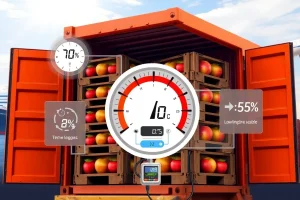
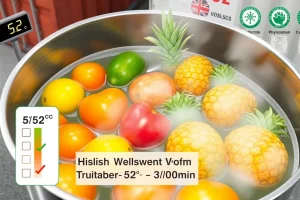
Heat treatment follows a simple physics principle: exposure to a lethal temperature for a defined period causes protein denaturation and cellular disruption in pests. The process typically uses:
- Steam chambers
- Hot‑air tunnels
- Water‑immersion vats (for seeds)
Key parameters include:
| Parameter | Typical Value | Purpose |
|---|---|---|
| Temperature | 55–60 °C (131–140 °F) | Kill insects at all life stages |
| Holding Time | 30 min (minimum) | Ensure uniform heat penetration |
| Cooling | Rapid (<5 min) | Prevent quality loss in perishable produce |
Validation is done with calibrated thermocouples and, where required, biological indicators (e.g., Trichogramma eggs).
Regulatory Authority & Contact
The primary authority for heat‑treatment standards is the International Plant Protection Convention (IPPC). At the national level, the relevant NPPO issues permits and verifies compliance. Below are the main contacts for three major importing regions:
- United States (APHIS‑PPQ): planthealth.aphis.gov
- European Union (DG SANTE): ec.europa.eu/food/plant
- Australia (DAFF): agriculture.gov.au/biosecurity
Exporters should keep the NPPO contact details handy for rapid clarification of treatment eligibility.
Import/Export Procedure
When heat treatment is mandatory, the export workflow follows these steps:
- Pre‑export verification – confirm that the commodity is listed for heat treatment in the importing country’s import requirements.
- Obtain a treatment facility accreditation – the facility must be approved by the exporting NPPO.
- Perform heat treatment – record temperature logs and retain biological indicator results.
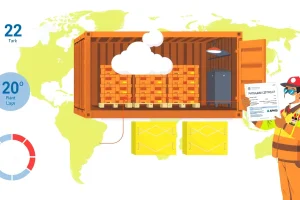
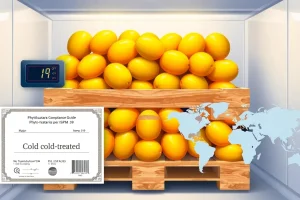
- Issue a Phytosanitary Certificate (PC) – the NPPO signs an HTPC, noting the treatment method, temperature, and duration.
- Attach HTPC to the shipment – include the certificate in the commercial invoice and the electronic phytosanitary certificate (e‑PC) if required.
- Customs clearance – the importing NPPO may request a copy of the treatment log for verification.
Required Documents
All documents must be presented in the language required by the destination (often English, French, or Spanish) and be digitally signed where electronic issuance is allowed.
- Phytosanitary Certificate (heat‑treated) – official form (e.g., ISPM 31 template).
- Treatment Record Sheet – includes temperature curve, start/stop times, and calibrations.
- Accreditation Letter of the Treatment Facility.
- Commercial Invoice and Packing List – reference the HTPC number.
- Import Permit (if required by the destination).
Common Rejection Reasons at the Border
Even with a seemingly correct HTPC, shipments are frequently rejected for the following reasons:
- Temperature not maintained for the full holding period (log gaps).
- Use of an un‑accredited treatment facility.
- Certificate not signed by the authorized NPPO official.
- Missing or mismatched commodity description between the PC and the commercial invoice.
- Failure to meet the specific pest‑free requirement (e.g., “Fruit Fly‑free” vs. generic “Pest‑free”).
Requirements & Standards
The core standards governing heat treatment are:
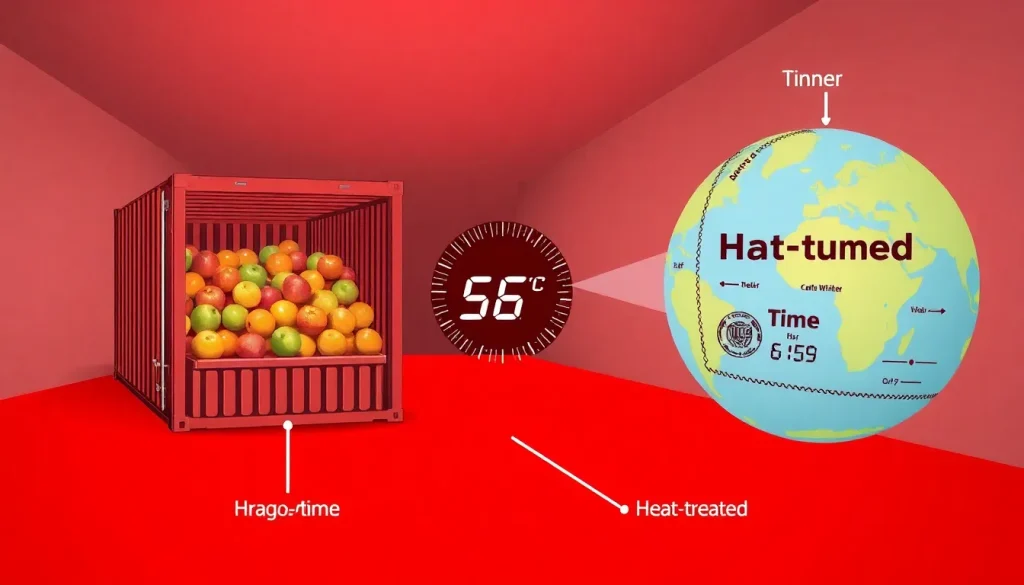
“ISPM 15 – Regulates the treatment of wood packaging material to prevent the spread of pests. Heat treatment must reach 56 °C for a minimum of 30 minutes, verified by a calibrated thermometer.
— International Plant Protection Convention, 2023″
“ISPM 39 – Provides guidelines for the use of heat treatment on fresh fruit and vegetables. The standard specifies a minimum of 55 °C for 30 minutes, with a maximum cooling period of 5 minutes.
— IPPC, 2022″
National NPPOs may add stricter limits. For example, the United States requires 56 °C for 30 minutes for mangoes destined for the continental U.S., while the EU adds a post‑treatment inspection for certain citrus varieties.
Step‑by‑Step Checklist (How to Trigger a Heat‑Treated PC)
- Identify the importing country’s heat‑treatment requirement for your commodity (consult the NPPO website or the IPPC standards list).
- Secure an accredited treatment facility; request its certification number.
- Schedule treatment at least 48 hours before shipment to allow for documentation processing.
- During treatment, record:
- Start and end times
- Temperature every 5 minutes
- Calibration certificate of thermometers
- Submit the treatment record to your national NPPO for verification.
- Obtain the heat‑treated Phytosanitary Certificate; verify that it includes:
- Treatment method (HT)
- Exact temperature and duration
- Accreditation number of the facility
- Attach the HTPC to the commercial invoice and upload it to the e‑PC portal (if applicable).
- Inform the freight forwarder to present the HTPC to the carrier and the destination customs authority.
Common Mistakes & Rejection Reasons
Even experienced exporters stumble over small details. Below are the most frequent errors and how to avoid them:
- Inadequate temperature monitoring – Use at least two calibrated thermocouples placed at opposite ends of the load.
- Incorrect commodity description – Match the exact scientific name and variety used in the PC.
- Missing accreditation number – The HTPC must list the facility’s official IPPC‑approved code.
- Late submission of documents – Submit the treatment record to the NPPO at least 24 hours before departure to allow time for signature.
- Assuming heat treatment is optional – If the importing NPPO’s list marks the pest as “mandatory HT,” the certificate is invalid without it.
Real‑World Example/Scenario
Case: Export of Fresh Mangoes from Peru to the United States (2024)
Peru’s mangoes are high‑risk for the Mediterranean fruit fly (Ceratitis capitata). The USDA‑APHIS requires a heat‑treated phytosanitary certificate that meets ISPM 39 specifications.
- The exporter contacts an IPPC‑accredited steam‑treatment plant in Callao.
- Mangoes are loaded into a tunnel; temperature data shows 56 °C held for 35 minutes.
- Thermometer calibration certificate (dated 2 days prior) is attached to the treatment record.
- The Peruvian NPPO reviews the log, signs the HTPC, and issues an e‑PC referencing USDA import permit #2024‑FRA‑112.
- At the U.S. port of entry, the CBP officer cross‑checks the HTPC number with APHIS’s database. No discrepancies are found; the cargo is released.
Had the temperature fallen below 55 °C for even 5 minutes, the shipment would have been detained, incurring $12,000 in quarantine fees.
Conclusion
Heat treatment is a critical control measure that, when correctly applied, enables smooth international trade of high‑risk plant commodities. By understanding the regulatory triggers, adhering to IPPC standards, and following a disciplined documentation workflow, exporters can avoid costly rejections and maintain market access. Use the checklist above, keep close contact with both the exporting and importing NPPOs, and treat temperature logs as the most valuable piece of evidence in your phytosanitary package.
FAQ
Do all fresh fruits require heat treatment before export?
No. Only fruits listed by the importing country's NPPO as high‑risk for specific pests (e.g., fruit flies) must be heat‑treated. Always check the destination's commodity‑specific import requirements.
Can I use a local heat‑treatment facility that is not accredited?
No. The NPPO will reject a phytosanitary certificate if the treatment was performed at an unaccredited facility. Obtain accreditation before scheduling treatment.
Is an electronic phytosanitary certificate (e‑PC) sufficient for heat‑treated shipments?
Yes, provided the e‑PC includes all mandatory fields (treatment method, temperature, duration, facility code) and is digitally signed by the authorized NPPO official.




Leave a Reply