Short Answer
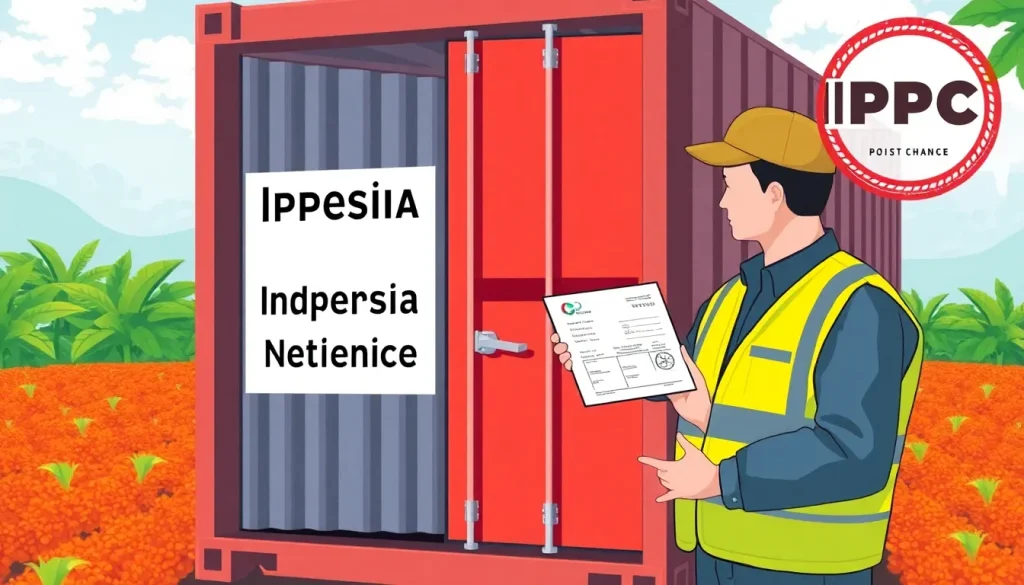
Indonesia is the world’s leading producer of spices, supplying pepper, nutmeg, clove, and cinnamon to markets across Europe, North America, and Asia. To move these high‑value commodities across borders, exporters must secure a phytosanitary certificate (PH‑C) that proves the shipment complies with the importing country’s plant‑health regulations. This article walks you through every stage of the certification process, from understanding why the document matters to avoiding the most common rejection reasons.
Overview
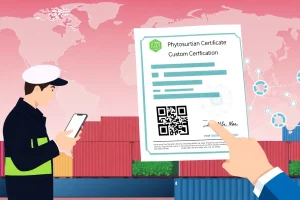
A phytosanitary certificate is an official document issued by the National Plant Protection Organization (NPPO) of the exporting country—in this case, Indonesia’s Plant Quarantine Service under the Ministry of Agriculture. The certificate confirms that the consignment has been inspected, is free from regulated pests, and meets the phytosanitary requirements of the destination country as defined by the International Plant Protection Convention (IPPC) and the importing nation’s own standards.
Why It Matters (Real Stakes for Exporters/Importers)
Failure to present a valid PH‑C can result in:
- Shipment rejection or return at the port of entry, causing costly demurrage.
- Fines or penalties imposed by customs authorities.
- Loss of market access if the importing country flags the exporter for non‑compliance.
- Reputational damage that can affect future contracts.
Conversely, a correctly issued certificate speeds clearance, builds trust with buyers, and demonstrates compliance with WTO SPS (Sanitary and Phytosanitary) Agreement obligations.
Regulatory Authority & Contact
The Indonesian NPPO responsible for spice certification is the Plant Quarantine Service (PQS), a division of the Ministry of Agriculture. Key contact points:
| Agency | Address | Phone | |
|---|---|---|---|
| Plant Quarantine Service, Ministry of Agriculture | Jalan Merdeka No. 5, Jakarta 10110, Indonesia | +62 21 381 1234 | phc@agri.go.id |
Exporters usually work through an authorized Plant Quarantine Officer (PQU) at the nearest regional quarantine office. A list of regional offices is available on the Ministry’s website (pertanian.go.id).
Import/Export Procedure
The procedure follows the IPPC’s International Standards for Phytosanitary Measures (ISPM) No. 12 and the importing country’s specific SPS requirements. The generic flow is:
- Pre‑export verification: Confirm that the spice batch meets the buyer’s phytosanitary specifications (e.g., moisture content, treatment).
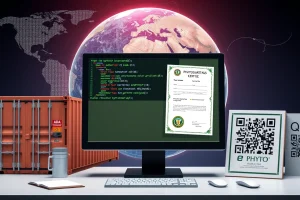
- Application submission: Submit a PH‑C request through the online portal e‑Quarantine or at the regional office.
- Inspection & sampling: A PQU conducts a visual inspection and may take samples for laboratory analysis (e.g., for aflatoxin, fungal pathogens).
- Treatment (if required): Apply approved treatments such as hot water treatment (HWT) or fumigation, documented on a treatment certificate.
- Certificate issuance: If the consignment passes, the PQU signs the PH‑C, which is then stamped and dated.
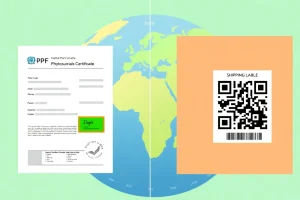
- Export declaration: Attach the PH‑C to the commercial invoice and export declaration for customs clearance.
- Import clearance: The destination country’s NPPO reviews the certificate; any discrepancy may trigger inspection.
Required Documents
Exporters must compile the following paperwork before the inspection:
| Document | Description | Format |
|---|---|---|
| Export Application Form (Form 5‑A) | Standard request for a phytosanitary certificate. | PDF or printed copy |
| Commercial Invoice | Details of buyer, HS code, quantity, and value. | |
| Packing List | Itemized list of containers, weight, and markings. | |
| Production Record | Harvest dates, field locations, and post‑harvest handling. | Excel/CSV |
| Treatment Certificate (if applicable) | Proof of hot‑water treatment, methyl bromide fumigation, etc. | PDF with lab signature |
| Laboratory Test Results | Mycotoxin, pathogen, or pesticide residue analysis. |
All documents must be in English or accompanied by a certified translation.
Step‑by‑Step Checklist (How‑to Trigger the Certificate)
- Verify the importing country’s specific spice requirements (A1/A2 pest status, treatment mandates).
- Gather all required documents listed above.
- Log into the e‑Quarantine portal and complete the PH‑C request form.
- Schedule an on‑site inspection with the nearest regional PQS office.
- Prepare the shipment for inspection: clean, label, and ensure no visible pest damage.
- Allow the PQU to collect samples; retain copies of lab results.
- If treatment is required, arrange it before the inspection and obtain the treatment certificate.
- Review the draft certificate for accuracy; request corrections if needed.
- Receive the signed and stamped PH‑C (usually within 2–5 business days).
- Attach the PH‑C to the export documents and proceed to freight forwarding.
Common Mistakes & Rejection Reasons
Even experienced exporters stumble over a few recurring issues:
- Missing or outdated treatment certificates – many importing countries require proof that pepper has undergone a 55 °C hot‑water treatment for 30 minutes.
- Incorrect pest status declaration – failing to note the presence of Thrips palmi, which is A2 in the EU, leads to immediate rejection.
- Incomplete documentation – omitting the production record or providing non‑English translations triggers delays.
- Labeling errors – using the wrong HS code (e.g., 0904 instead of 0905) confuses customs and can invalidate the certificate.
To avoid these pitfalls, double‑check each item on the checklist and keep a master file of all previous certificates for reference.
Requirements & Standards (Primary Sources)
The core legal framework governing phytosanitary certification includes:
“International Standard for Phytosanitary Measures No. 12 (ISPM 12) – Phytosanitary Certificates” – International Plant Protection Convention, 2021.
Indonesia’s national implementation is captured in:
“Regulation of the Minister of Agriculture No. 34/Per/2020 on Plant Quarantine and Phytosanitary Certification” – Ministry of Agriculture, Republic of Indonesia.
Importing countries may cite additional standards, such as the EU’s Commission Implementing Regulation (EU) 2019/2072, which lists regulated pests for spices. Exporters should consult the specific importing‑country SPS database (e.g., ippc.int) for the latest A1/A2 pest designations.
Conclusion
Obtaining a phytosanitary certificate for Indonesian spice exports is a systematic process that hinges on accurate documentation, timely inspections, and strict adherence to both Indonesian and destination‑country standards. By following the step‑by‑step checklist, maintaining up‑to‑date treatment records, and understanding the regulatory landscape, exporters can minimize delays, protect market access, and ensure that beloved spices like pepper and nutmeg reach global kitchens safely.
FAQ
How long is a phytosanitary certificate valid after issuance?
A PH‑C is generally valid for 30 days from the date of issuance, but the exact validity period may be set by the importing country’s regulations.
Can I obtain a certificate for a mixed shipment of pepper and nutmeg?
Yes, provided each commodity meets its specific treatment and documentation requirements and the certificate lists each product separately with the correct HS codes.
What if my shipment is rejected at the destination despite having a PH‑C?
Contact the importing country's NPPO to request clarification. Often the issue relates to a mismatch between the certificate’s pest declarations and the destination’s current A2 pest list.




Leave a Reply