Short Answer
Exporting fresh produce—whether apples, lettuce, or exotic berries—requires more than good logistics; it demands a valid phytosanitary certificate (PC). This document proves that the shipment complies with the plant‑health regulations of the importing country, reducing the risk of pest introductions and avoiding costly delays at the border. The following guide walks exporters, importers, customs brokers, freight forwarders, and agriculture students through every stage of preparing a PC, from understanding its purpose to completing the final checklist.
Overview
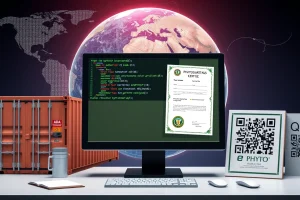
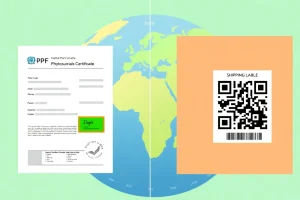
A phytosanitary certificate is an official statement issued by the National Plant Protection Organization (NPPO) of the exporting country. It confirms that the consignment has been inspected, found free of regulated pests, and treated (if required) according to the importing country’s standards. The PC is governed internationally by the International Plant Protection Convention (IPPC) and its International Standards for Phytosanitary Measures (ISPMs), especially ISPM 12 which defines the format and content of the certificate.
Why it Matters (Real Stakes for Exporters/Importers)
Failure to present a valid PC can lead to:
- Shipment rejection or re‑inspection at the port of entry, causing time‑critical losses for perishable goods.
- Fines or penalties imposed by customs authorities under the WTO SPS Agreement.
- Loss of market access if repeated non‑compliance triggers trade suspensions.
- Reputational damage to the exporter’s brand, especially for premium or organic produce.
Conversely, a correctly issued PC can speed clearance, enhance buyer confidence, and support smoother supply‑chain financing.
How it Works
The PC process follows a linear flow:
- Exporter determines the importing country’s phytosanitary requirements (pest list, treatment, sampling).
- Exporting NPPO schedules an inspection and, if needed, a treatment (e.g., hot water, fumigation).
- Inspector verifies compliance, records findings, and completes the PC form.
- Exporter attaches the PC to the commercial invoice and shipping documents.
- Importing country’s quarantine authority reviews the PC upon arrival and decides on release.
Each step must be documented; any missing or inaccurate information can trigger a rejection.
Regulatory Authority & Contact
The NPPO is the single point of authority for issuing PCs. Below is a generic contact template; replace with the specific NPPO for your country.
| Authority | Phone | Website | |
|---|---|---|---|
| National Plant Protection Organization | +1‑800‑555‑0123 | phytosanitary@npop.gov | https://www.npop.gov/phytosanitary |
Most NPPOs also provide an online portal for appointment scheduling and electronic PC issuance (e‑PC).
Required Documents
When applying for a PC, the exporter must submit a complete dossier:
- Commercial invoice with HS code and country of origin.
- Packing list detailing weight, volume, and container numbers.
- Phytosanitary inspection request form (often a standard NPPO template).
- Laboratory test results if the importing country requires pest‑free verification (e.g., ELISA for viruses).
- Treatment certificates (e.g., heat‑treatment, irradiation) when mandatory.
- Export permit for regulated commodities, if applicable.
All documents should be in the language required by the destination (commonly English, French, or Spanish) and signed by the authorized exporter.
Step‑by‑Step Checklist (How‑to Trigger)
- Identify Import Requirements: Use the IPPC’s online database or the importing NPPO’s website.
- Arrange Pre‑Export Inspection: Contact the NPPO at least 10 working days before shipment.
- Prepare Documentation: Gather invoice, packing list, treatment records, and any lab reports.
- Submit Application: Fill out the PC request form and upload supporting files via the NPPO portal.
- Facilitate On‑Site Inspection: Ensure the consignment is accessible, labeled, and in condition for sampling.
- Receive PC: Collect the signed certificate (paper or e‑PC) and verify all fields are correct.
- Attach PC to Shipment: Place the original PC in a pouch attached to the bill of lading and provide a copy to the freight forwarder.
- Monitor Arrival: Confirm the importing authority has received the PC and address any queries promptly.
Completing the checklist in order reduces the chance of last‑minute surprises.
Common Mistakes & Rejection Reasons
Even seasoned exporters slip up. The most frequent grounds for PC rejection are:
- Incorrect scientific name or misspelled commodity description.
- Missing treatment details (temperature, duration, chemical concentration).
- Failure to attach original lab test reports when required.
- Using an out‑of‑date PC (validity is usually 30 days for fresh produce).
- Inconsistent weight or quantity between the PC and the commercial invoice.
To avoid these pitfalls, double‑check every field against the NPPO’s template and keep a master checklist of required signatures.
Real‑World Example/Scenario
Imagine a U.S. avocado exporter shipping to the European Union (EU). The EU requires a pest‑free status for Phytophthora cambivora and mandates a cold‑treatment of 2 °C for at least 14 days.
- The exporter consults the EU’s Import Plant Health Regulation (IPHR) and notes the treatment requirement.
- They schedule a USDA‑APHIS inspection two weeks before departure, providing evidence of the cold‑storage period.
- All supporting documents—including the cold‑storage log, a phytosanitary inspection request, and the commercial invoice—are uploaded to the USDA e‑PC portal.
- After on‑site verification, the NPPO issues an electronic PC stating: “No symptoms of Phytophthora cambivora detected; cold‑treatment completed 2026‑07‑20 to 2026‑08‑03.”
- The PC is attached to the bill of lading, and the shipment clears EU customs within 24 hours, avoiding a costly quarantine hold.
This scenario illustrates how aligning inspection, treatment, and documentation with the importing country’s standards prevents delays.
Requirements & Standards (Cite Primary Source)
The core regulatory framework is:
- International Plant Protection Convention (IPPC) – the treaty establishing global plant‑health standards.
- ISPM 12 – Certification of Phytosanitary Commodities: Defines the PC format, mandatory fields, and electronic issuance.
“The phytosanitary certificate shall contain the name of the exporting NPPO, the commodity, origin, destination, and a statement of compliance with the importing country’s phytosanitary import requirements.” – ISPM 12, 2023.
- World Trade Organization (WTO) SPS Agreement – provides the legal basis for enforcing phytosanitary measures without creating unnecessary trade barriers.
- National regulations (e.g., USDA APHIS Plant Protection Act, EU Regulation 2019/2072) which may add country‑specific treatment or testing requirements.
Exporters must align their documentation with both the IPPC standards and the specific NPPO regulations of the importing nation.
Conclusion
Preparing a phytosanitary certificate for fresh produce is a systematic process that blends scientific verification with precise paperwork. By understanding why the PC matters, knowing the responsible authorities, assembling the correct documents, and following a detailed checklist, exporters can safeguard market access, reduce cargo loss, and maintain compliance with international trade rules. Remember: the smallest clerical error can turn a fresh shipment into a costly quarantine case.
FAQ
Can I obtain a phytosanitary certificate electronically?
Yes. Most NPPOs now offer an e‑PC system that allows exporters to submit applications, receive approvals, and download the certificate online. The electronic version is legally equivalent to the paper certificate.
How far in advance should I request a phytosanitary inspection?
It is advisable to contact the NPPO at least 10 working days before the intended shipment date to allow time for scheduling, treatment, and document preparation.
What happens if my certificate is rejected at the border?
The importing authority may hold the cargo for re‑inspection, require additional treatment, or, in severe cases, order disposal. The exporter typically bears all associated costs and may face penalties.




Leave a Reply