Skip to content

Phytosanitary.info

The plain-English guide to phytosanitary trade rules

  • Home
  • Certificates
  • Countries
  • Commodities
  • Pests
  • Treatments
  • Standards
  • Tools

Recent Posts

  • Digital Phytosanitary Certificates: Benefits, Risks, and Implementation Guide
  • Step‑by‑Step Guide to Using the APHIS ePhyto Portal for Electronic Phytosanitary Certificates
  • Heat Treatment vs. Cold Treatment: Choosing the Right Phytosanitary Method for Tropical Fruit Exports
  • ISPM 7 – Guidelines for Regulated Commodities: What Exporters Must Know
  • Mandatory ISPM 14 Requirements for Regulating Soil and Growing Media in International Trade

Recent Comments

No comments to show.

Archives

  • October 2026
  • September 2026
  • August 2026
  • July 2026

Categories

  • Certificates & Documentation
  • Commodity Requirements
  • Compliance & Procedures
  • Country Regulations
  • ISPM Standards & IPPC
  • Regulated Pests & Diseases
  • Treatments & Fumigation

Month: October 2026

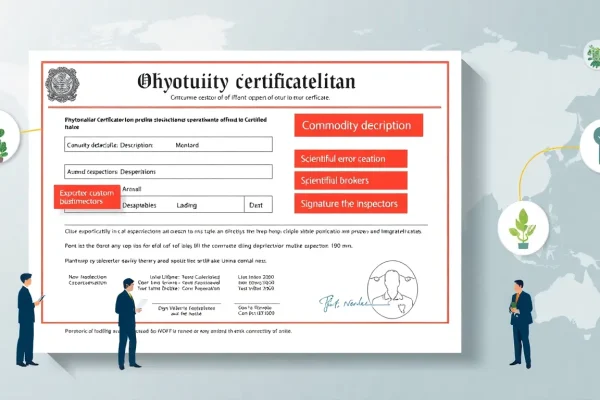
How to Prepare a Phytosanitary Certificate for Exporting Fresh Produce

October 8, 2026 | Certificates & Documentation | Joaquimma Anna

Learn the step‑by‑step process for obtaining a phytosanitary certificate when exporting fresh fruits, vegetables, or other perishable plant products. This guide covers the why, the who, required documents, common pitfalls, and real‑world examples.
Read More →
Effective Post‑Entry Treatment Options for Wood Packaging Materials: Heat, Fumigation, and Irradiation

Effective Post‑Entry Treatment Options for Wood Packaging Materials: Heat, Fumigation, and Irradiation

October 8, 2026 | Treatments & Fumigation | Joaquimma Anna

A fast‑read guide that explains why post‑entry treatment of wood packaging material matters, how heat, fumigation, and irradiation work, and what paperwork, standards, and common pitfalls exporters and importers must know.

Read More →
How to Obtain a Phytosanitary Certificate for Seed Potatoes: Step‑by‑Step Process

How to Obtain a Phytosanitary Certificate for Seed Potatoes: Step‑by‑Step Process

October 6, 2026 | Certificates & Documentation | Joaquimma Anna

A phytosanitary certificate is the passport that lets seed potatoes travel across borders legally and safely. This guide walks exporters, importers, customs brokers, and freight forwarders through every requirement, document, and common pitfall, delivering a clear, step‑by‑step path to certification.

Read More →
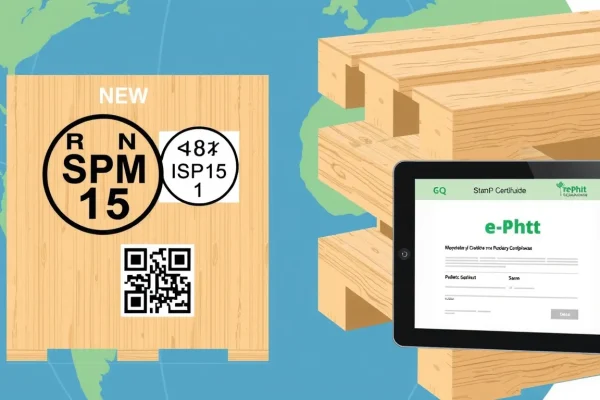
Latest ISPM 15 Amendments for Wood Packaging Material in 2024: What Exporters Need to Know

Latest ISPM 15 Amendments for Wood Packaging Material in 2024: What Exporters Need to Know

October 6, 2026 | ISPM Standards & IPPC | Joaquimma Anna

The 2024 ISPM 15 amendments introduce new treatment thresholds, updated marking rules, and stricter documentation requirements for wood packaging material. This guide explains the changes, why they matter, and how to stay compliant.

Read More →

Common Regulated Pests in Citrus Fruit Exports and How to Prevent Them

October 6, 2026 | Regulated Pests & Diseases | Joaquimma Anna

A concise reference for exporters, importers, customs brokers and students on the most common regulated citrus pests, their impact, identification, and the steps required to meet international phytosanitary standards.

Read More →
Top 10 Reasons Phytosanitary Certificates Get Rejected and How to Fix Them

Top 10 Reasons Phytosanitary Certificates Get Rejected and How to Fix Them

October 5, 2026 | Compliance & Procedures | Joaquimma Anna

Exporters and importers often face costly delays when phytosanitary certificates are rejected. This guide explains the ten most common reasons for rejection and provides practical steps to avoid each pitfall.

Read More →
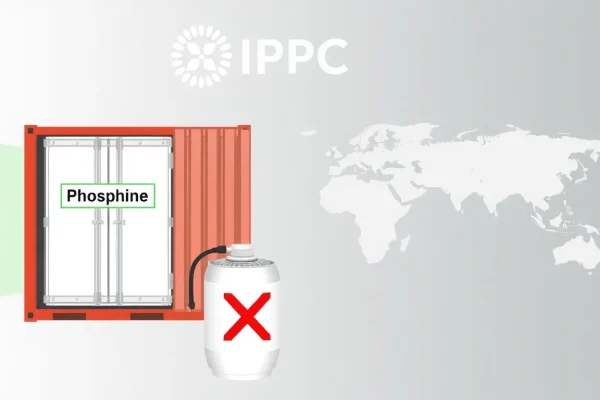
Transitioning from Methyl Bromide: Approved Alternative Fumigants and Their Regulatory Acceptance

Transitioning from Methyl Bromide: Approved Alternative Fumigants and Their Regulatory Acceptance

October 5, 2026 | Treatments & Fumigation | Joaquimma Anna

Methyl bromide is being phased out worldwide, forcing exporters and importers to adopt approved alternative fumigants. This guide explains the most widely accepted alternatives, their scientific basis, and the regulatory steps needed for smooth international trade.

Read More →
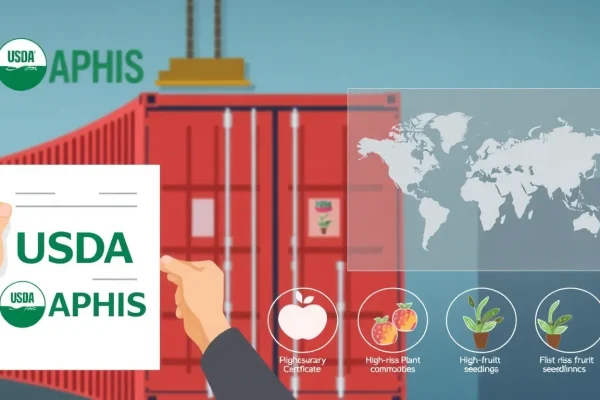
How to Navigate US APHIS Import Permits for High‑Risk Commodities

How to Navigate US APHIS Import Permits for High‑Risk Commodities

October 4, 2026 | Compliance & Procedures | Joaquimma Anna

A step‑by‑step guide for exporters, importers, customs brokers and freight forwarders on obtaining US APHIS import permits for high‑risk plant commodities, with checklists, common pitfalls and regulatory references.

Read More →
Regulatory Acceptance of Controlled Atmosphere Treatments for Quarantine Pest Management

Regulatory Acceptance of Controlled Atmosphere Treatments for Quarantine Pest Management

October 2, 2026 | Treatments & Fumigation | Joaquimma Anna

A concise reference guide that explains how controlled‑atmosphere (CA) treatments are accepted by phytosanitary authorities, the standards that govern them, and the step‑by‑step procedures exporters and importers must follow.

Read More →

Posts pagination

← Previous 1 2

About This Site

The plain-English guide to phytosanitary trade rules

Recent Articles

  • Phytosanitary Glossary: 100+ Terms Every Exporter Should Know
  • The Phytosanitary Inspection Process: Step‑by‑Step Guide for Global Traders
  • Phytosanitary Treatments Compared: Fumigation, Heat, Cold, and Irradiation – A Trade Compliance Guide
  • ISPM Standards Explained: The IPPC Rulebook Behind Plant Health Trade
  • Phytosanitary Requirements by Commodity: A Practical Guide for Exporters
  • Quarantine Pests 101: Understanding A1, A2, and Regulated Pest Lists
  • Plant Quarantine Explained: How Countries Protect Agriculture From Pests
  • The Complete Guide to Phytosanitary Certificates for International Trade
  • Digital Phytosanitary Certificates: Benefits, Risks, and Implementation Guide
  • Step‑by‑Step Guide to Using the APHIS ePhyto Portal for Electronic Phytosanitary Certificates
  • Heat Treatment vs. Cold Treatment: Choosing the Right Phytosanitary Method for Tropical Fruit Exports
  • ISPM 7 – Guidelines for Regulated Commodities: What Exporters Must Know
  • Mandatory ISPM 14 Requirements for Regulating Soil and Growing Media in International Trade
  • Home
  • About Us
  • Contact Us
  • Disclaimer
  • Terms of Service
© 2026 Phytosanitary.info. All rights reserved. Powered by WordPress