Short Answer
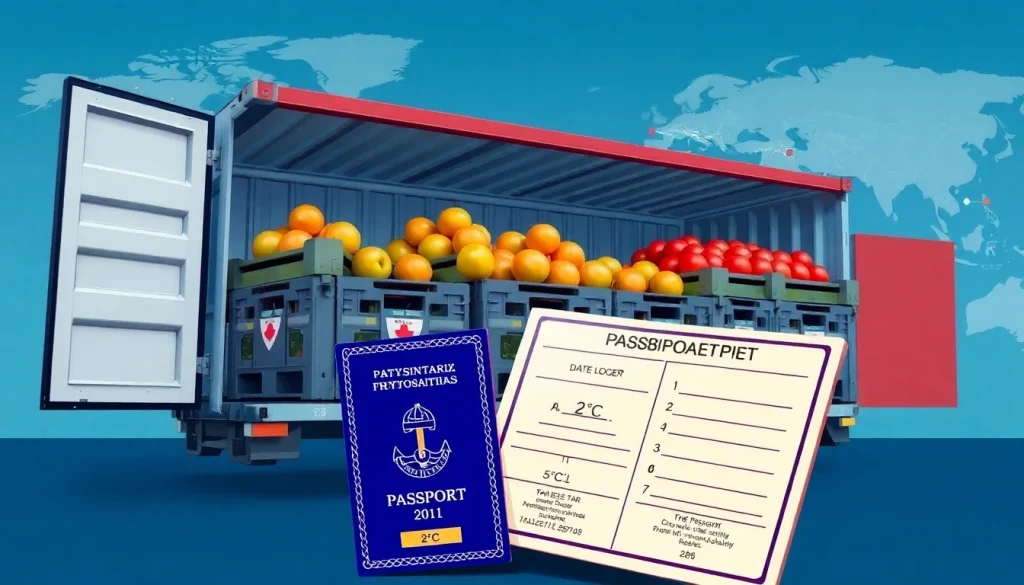
Moving fresh fruit across borders is a race against time, heat, and pests. A break in the cold chain can trigger fruit decay, create pathways for invasive organisms, and trigger costly rejections at the border. This pillar article explains, in plain English, how temperature‑controlled logistics (the “cold chain”) works, why it matters for phytosanitary compliance, and what exporters, importers, customs brokers, freight forwarders, and agriculture students must do to keep shipments safe, legal, and market‑ready.
Overview
Temperature‑controlled logistics for fresh fruit involves a coordinated series of steps that maintain the fruit within a defined temperature range from harvest to final delivery. The goal is twofold: preserve fruit quality and prevent the survival or spread of quarantine pests that thrive at higher temperatures.
- Cold chain segments: pre‑cooling, packing, refrigerated transport, storage, and last‑mile delivery.
- Key temperature bands: chilling (0–13 °C for most temperate fruits), super‑cooling (−1 to −2 °C for banana, mango), and freezing (≤ −18 °C for berries destined for frozen processing).
- Phytosanitary link: Maintaining the prescribed temperature reduces pest development, satisfies IPPC/NPPO standards, and supports the issuance of a valid Phytosanitary Certificate (PC).
Why It Matters (Real Stakes for Exporters/Importers)
Failure to meet temperature‑controlled standards can have severe commercial and regulatory consequences.
- Economic loss: Rejected shipments can cost exporters 10‑30 % of the consignment value in lost fruit, re‑handling fees, and administrative penalties.
- Market access: Many importing countries (EU, USA, Japan, Canada) require documented cold‑chain compliance before issuing an import permit.
- Biosecurity risk: Warm fruit can harbor pests such as Bactrocera dorsalis (Oriental fruit fly) or Xanthomonas citri (citrus bacterial canker), leading to quarantine interceptions and possible bans.
- Reputational impact: Repeated phytosanitary rejections damage brand trust and may trigger stricter inspections for future shipments.
How It Works
The cold‑chain process is a loop of monitoring, documentation, and corrective actions.
| Stage | Action | Typical Temp. Range |
|---|---|---|
| Harvest & pre‑cooling | Immediate cooling within 2 h of cut | 0–4 °C |
| Packaging | Insulated cartons, gel packs, or refrigerated pallets | 0–5 °C |
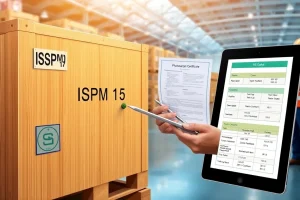
| In‑transit | Refrigerated containers (reefers) with real‑time data loggers | 1–8 °C (varies by commodity) |
| Port & customs hold | Cold storage bays; temperature checks every 4 h | 0–10 °C (short‑term) |
| Final delivery | Re‑refrigerated trucks or insulated vans | 0–5 °C |
Data loggers must be calibrated to ISO 17025 standards and the temperature record must accompany the shipment for inspection.
Regulatory Authority & Contact
The International Plant Protection Convention (IPPC) sets the global framework, while each National Plant Protection Organization (NPPO) enforces local rules. Below are the primary contacts for the three largest fruit‑importing regions.
- European Union (EU): European Commission – Directorate‑General for Health and Food Safety (DG SANTE). Email: phytosanitary@ec.europa.eu.
- United States: USDA‑APHIS Plant Protection and Quarantine (PPQ). Phone: +1‑202‑720‑2791; Email: PPQ‑Contact@usda.gov.
- Japan: Plant Protection Station, Ministry of Agriculture, Forestry and Fisheries (MAFF). Phone: +81‑3‑3501‑6020; Email: phytosanitary@maff.go.jp.
Exporters should also consult the NPPO of the importing country for any supplemental temperature‑control requirements.
Requirements & Standards (Cite Primary Source: IPPC/NPPO)
The core standards governing temperature‑controlled logistics for fresh fruit are:
“ISPM 31 – Guidelines for the Safe Transport of Fresh Fruit and Vegetables” (International Plant Protection Convention, 2022). The standard mandates that exporters maintain commodity‑specific temperature ranges throughout transport and retain verifiable temperature records for the entire journey.
Key NPPO references include:
- EU Regulation (EU) 2016/2031 – Annex III, Art. 12: “Cold‑chain integrity must be demonstrated for all perishable plant commodities”.
- USDA‑APHIS 7 CFR 319 – Subpart C: “Refrigerated shipments of fresh fruit must be accompanied by a temperature log that meets the accuracy requirements of ISO 9001”.
- Japan Plant Protection Law, Order No. 23: “Export certificates shall state the temperature control measures applied and provide logger data”.
Failure to present compliant temperature evidence leads to immediate refusal of entry under the SPS Agreement of the WTO.
Step‑by‑Step Checklist (How‑to Trigger a Valid Phytosanitary Certificate)
- Pre‑harvest planning
- Confirm the importing country’s temperature band for the specific fruit (e.g., apples 0‑4 °C, mangoes 10‑13 °C).
- Arrange calibrated data loggers (ISO 17025) and backup batteries.
- Harvest & pre‑cooling
- Cool fruit within 2 h of picking to the target temperature.
- Record start time, ambient temperature, and pre‑cooling method.
- Packing & labeling
- Use insulated packaging approved by the NPPO.
- Affix a temperature‑monitor label with logger ID and target range.
- Refrigerated transport booking
- Select a reeferservice with validated temperature control (±2 °C tolerance).
- Provide the carrier with the logger calibration certificate.
- In‑transit monitoring
- Record temperature every 30 min; set alarms for deviation >2 °C.
- If deviation occurs, initiate corrective cooling and document the action.
- Arrival & customs hand‑over
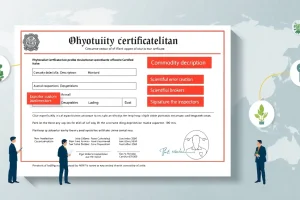
- Submit the full temperature log, calibration certificate, and packing list with the Phytosanitary Certificate application.
- Allow customs officials to verify logger data against the declared range.
- Post‑entry storage
- Maintain the same temperature until distribution to the final buyer.
- Retain temperature records for at least 30 days for audit purposes.
When every step is documented, the NPPO can issue a Phytosanitary Certificate without delay.
Common Mistakes & Rejection Reasons
Even seasoned exporters stumble over a few recurring pitfalls.
- Uncalibrated data loggers – leads to “insufficient evidence of temperature control”.
- Temperature excursions >2 °C without corrective action – cited as “non‑compliance with ISPM 31”.
- Missing or illegible logger IDs on packaging – results in “incomplete documentation”.
- Incorrect fruit classification (e.g., treating a tropical mango as a temperate fruit) – causes “wrong temperature band applied”.
- Failure to pre‑cool within 2 h – classified as “post‑harvest handling violation”.
Each of these issues can trigger a phytosanitary rejection, a mandatory re‑inspection, or a quarantine hold, extending transit time by days or weeks.
Real‑World Example/Scenario
Scenario: A Chilean exporter ships 20 tonnes of fresh blueberries to the EU.
- EU import regulation (Annex III, Art. 12) requires a constant 0 °C ± 2 °C throughout the journey.
- The exporter uses reefers equipped with ISO‑compliant data loggers but forgets to calibrate two of them.
- During a 48‑hour ocean leg, the uncalibrated loggers record a stable 2 °C, while the calibrated units show a spike to 6 °C for 3 hours.
- At the EU port, inspectors compare the logs. The discrepancy leads to a “temperature deviation” finding, and the shipment is placed under quarantine.
- The exporter provides corrective action records (re‑cooling at the port) and a supplementary calibration report. After a 72‑hour assessment, the EU NPPO lifts the hold, but the exporter incurs €15,000 in handling fees and loses the market‑price premium.
This example underscores the importance of fully functional, calibrated temperature monitoring equipment and immediate corrective documentation.
Conclusion
Temperature‑controlled logistics are not just a quality‑preservation tool; they are a cornerstone of phytosanitary compliance for fresh fruit. By understanding the regulatory framework, adhering to the precise temperature bands set out by IPPC and NPPOs, and rigorously documenting every step, exporters and their logistics partners can avoid costly rejections, protect global agriculture, and keep fruit fresh from orchard to consumer.
| Quick Fact | Detail |
|---|---|
| Key Standard | IPPC ISPM 31 (2022) |
| Typical Temp. Range for Apples | 0 °C – 4 °C |
| Loggers Must Meet | ISO 17025 calibration |
| Common Rejection Rate | 7 % of fresh‑fruit shipments globally (FAO, 2023) |
| Data‑Log Retention Period | Minimum 30 days for audit |
FAQ
What temperature range should I maintain for bananas during export?
Bananas are typically shipped at 13 °C ± 2 °C; any deviation above 15 °C may trigger a phytosanitary rejection in most importing countries.
Do I need a separate temperature certificate in addition to the Phytosanitary Certificate?
No separate certificate is required if the temperature log and calibration documents are attached to the Phytosanitary Certificate application as stipulated by ISPM 31.
How often must temperature data be recorded during transit?
The IPPC recommends recording at least every 30 minutes; many NPPOs accept a maximum interval of 1 hour, provided the data logger meets ISO 17025 standards.




Leave a Reply