Short Answer
Fruit flies (family Tephritidae) are among the most damaging quarantine pests for fresh fruit trade. To keep markets open, exporters must prove that consignments are free of viable flies using either heat treatment (HT) or cold treatment (CT). This pillar article breaks down the science, regulations, and practical steps so that exporters, importers, customs brokers, freight forwarders, and agriculture students can make fast, accurate decisions.
Overview
Heat treatment and cold treatment are both phytosanitary measures recognized by the International Plant Protection Convention (IPPC). They aim to kill all life stages of the target fruit fly species without compromising fruit quality.
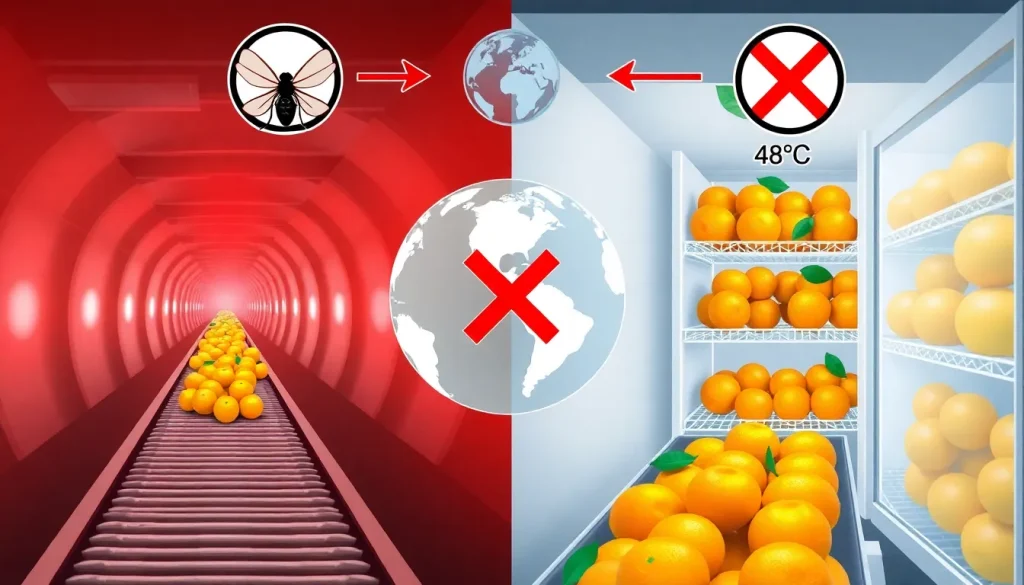
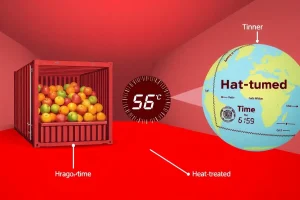
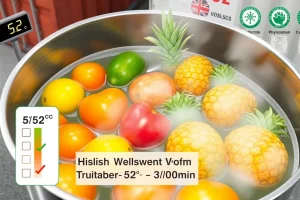
- Heat Treatment (HT): Exposes fruit to a specific temperature (usually 46–48 °C) for a defined period (typically 10–30 minutes) to achieve mortality.
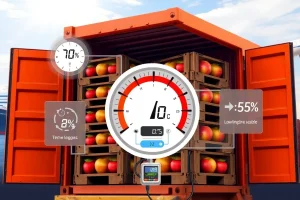
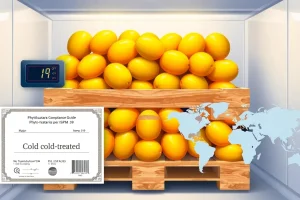
- Cold Treatment (CT): Stores fruit at low temperatures (0 °C to –1 °C) for an extended duration (often 7–14 days) to achieve the same result.
Both methods are listed in IPPC Standard ISPM 11 as approved phytosanitary treatments, but each is suited to different fruit types, supply‑chain constraints, and importing‑country requirements.
Why It Matters (Real Stakes for Exporters/Importers)
Failure to apply the correct treatment can lead to:
- Shipment rejection at the border, causing costly delays.
- Destruction of fruit, resulting in economic loss up to 30 % of the consignment value.
- Loss of market access if a country imposes a temporary ban after a pest detection.
- Legal penalties and loss of exporter credibility.
For high‑value crops such as mango, citrus, and avocado, the choice between HT and CT can also affect shelf life and consumer acceptance, making compliance a competitive advantage.
How It Works
Both treatments target the most tolerant life stage—usually the third‑instar larva inside the fruit.
| Parameter | Heat Treatment | Cold Treatment |
|---|---|---|
| Target Temperature | 46–48 °C (115–118 °F) | 0 °C to –1 °C (32 °F to 30 °F) |
| Exposure Time | 10–30 minutes (depends on fruit size) | 7–14 days (depends on species) |
| Mechanism | Protein denaturation, membrane disruption | Metabolic arrest, ice‑crystal formation |
| Quality Impact | Possible softening; best for heat‑tolerant fruits | Potential chilling injury; avoid for tropical fruits |
Validation studies (e.g., EPPO 2017 guidelines) require a minimum lethal dose (MLD) demonstration for each fruit–pest combination before a treatment can be accepted by a National Plant Protection Organization (NPPO).
Requirements & Standards (IPPC/NPPO)
The primary standards governing HT and CT are:
“ISPM 11 – Recommended International Standards for Phytosanitary Measures – Treatment of Commodities” (IPPC, 2022).
Each importing NPPO may add national specifications. For example:
- USA (USDA‑APHIS): HT at 48 °C for 10 min for Ceratitis capitata on mango; CT at 0 °C for 14 days for Anastrepha ludens on citrus.
- EU (DG SANTE): Mandatory CT of 2 °C for 14 days for all Medfly‑susceptible fruit unless a specific HT protocol is approved.
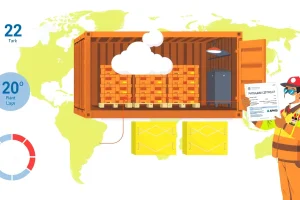
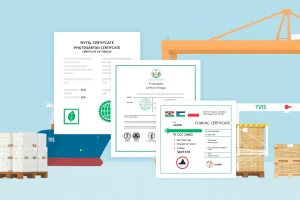
Exporters must retain a validated treatment protocol, temperature logs, and a phytosanitary certificate stating the exact method used.
Step‑by‑Step Checklist (How to Trigger a Treatment)
- Identify the target fruit fly species – consult the importing country’s pest list.
- Confirm the approved treatment – review the NPPO’s latest circular or the IPPC ISPM 11 annex.
- Validate equipment – calibrate thermometers or refrigeration units; keep calibration certificates.
- Prepare the commodity – sort, wash, and pack fruit as required; remove damaged pieces.
- Apply the treatment
- HT: Load fruit into a pre‑heated tunnel; monitor core temperature with data‑loggers.
- CT: Place fruit in a refrigerated chamber; ensure uniform temperature distribution.
- Record parameters – temperature, exposure time, start/end timestamps, batch number.
- Generate a treatment certificate – signed by a qualified phytosanitary officer.
- Attach to the Phytosanitary Certificate (PC) – include the treatment code (e.g., HT‑48‑10 or CT‑0‑14).
- Notify the importer – provide the treatment report for customs pre‑clearance.
Failure to complete any step can trigger a rejection, even if the treatment itself was effective.
Common Mistakes & Rejection Reasons
Even seasoned exporters stumble on recurring issues:
- Temperature deviation – logs show <5 % variance from the target; most NPPOs deem this non‑compliant.
- Insufficient exposure time – especially for CT; a missing day often leads to a “suspected viable larvae” finding.
- Improper documentation – treatment certificate not signed, missing batch ID, or absent on the PC.
- Fruit type mismatch – using HT on highly perishable tropical fruit that suffers chilling injury, or CT on heat‑sensitive fruit that develops off‑flavors.
- Out‑of‑date validation – relying on a protocol that was superseded by a newer NPPO amendment.
Border officials typically cite the specific regulation (e.g., “Non‑conformity with USDA‑APHIS 7 CFR 319.56‑HT”) in their rejection notice.
Real‑World Example/Scenario
Scenario: A Kenyan exporter ships 20 t of mangoes to the United States. The USDA‑APHIS list requires heat treatment for Ceratitis capitata (Mediterranean fruit fly).
- The exporter contacts a USDA‑approved treatment facility.
- Using a calibrated tunnel, mangoes are heated to 48 °C for 12 minutes, meeting the USDA MLD.
- Temperature logs and a signed treatment certificate are generated.
- The certificate is attached to the phytosanitary certificate issued by Kenya’s NPPO.
- Upon arrival, US Customs & Border Protection verifies the treatment code HT‑48‑12; the consignment is released without inspection.
If the exporter had chosen cold treatment instead, the fruit would have suffered chilling injury, the USDA would have rejected the shipment, and the exporter would have incurred a $15,000 penalty.
Distribution & Regulatory Status (A1/A2 by Region)
Fruit flies are classified by many NPPOs as either A1 (present, regulated) or A2 (absent, regulated). The status influences which treatment is mandatory.
| Region | Key Species | Status | Preferred Treatment |
|---|---|---|---|
| North America (USA, Canada) | Ceratitis capitata, Anastrepha ludens | A1 | Heat (48 °C) for Medfly; Cold (0 °C, 14 d) for Anastrepha |
| European Union | Ceratitis capitata | A1 | Cold (2 °C, 14 d) – HT allowed only with special permit |
| Asia‑Pacific (Japan, South Korea) | Bactrocera dorsalis | A2 | Heat (46 °C, 20 min) – strict pre‑export treatment required |
| Australia & New Zealand | All tephritids | A2 | Both HT and CT accepted; CT preferred for citrus |
Always verify the latest A‑status in the importing country’s NPPO portal before selecting a treatment.
Conclusion
Heat and cold treatments are both scientifically validated, internationally recognized tools for fruit fly control. Choosing the right method depends on the fruit’s tolerance, the target species, and the importing country’s regulations. By following the step‑by‑step checklist, maintaining accurate documentation, and staying current with NPPO updates, exporters can avoid costly rejections and keep market access open.
FAQ
Can I use heat treatment on all tropical fruits?
No. Heat‑sensitive fruits such as banana or pineapple may suffer quality loss. Verify the NPPO’s fruit‑specific protocol before applying HT.
What if my temperature log shows a 4 % drop during heat treatment?
Most NPPOs allow a variance up to 5 %. Document the deviation, provide calibration records, and be prepared for possible inspection.
Is a cold‑treatment certificate required if the fruit is already stored at 0 °C for two weeks?
Yes. The storage must be intentional, monitored, and documented as a phytosanitary treatment; ad‑hoc refrigeration does not satisfy IPPC requirements.




Leave a Reply