Short Answer
When a shipment of fresh produce, nursery stock, or dried plant material moves across borders, the risk of carrying quarantine pests can halt trade in minutes. Irradiation—using ionizing radiation to neutralize pests without chemicals—has become a trusted, residue‑free alternative to fumigation. This guide provides exporters, importers, customs brokers, freight forwarders, and agriculture students with the fast, accurate answers they need to navigate irradiation treatment under current international standards.
Overview
Irradiation treatment applies controlled doses of gamma rays, X‑rays, or electron beams to plant commodities. The energy penetrates the product, disrupting the DNA of insects, fungi, and bacteria, rendering them unable to reproduce. Because the process leaves no chemical residue, it is accepted for a growing list of crops, including mangoes, citrus, potatoes, and ornamental plants.
| Radiation Type | Typical Source | Penetration Depth |
|---|---|---|
| Gamma | Cobalt‑60 or Cesium‑137 | Up to 30 cm |
| X‑ray | High‑energy X‑ray machine | Up to 15 cm |
| Electron beam | Linear accelerator | Up to 5 cm |
Why It Matters (Real Stakes for Exporters/Importers)
Failure to meet a destination country’s phytosanitary requirements can result in:
- Immediate rejection at the port of entry.
- Destruction or return of the consignment, costing up to 100 % of the shipment value.
- Loss of market access if a pest is introduced and triggers quarantine measures.
- Increased insurance premiums for repeat non‑compliance.
Because irradiation is recognized by the International Plant Protection Convention (IPPC) and many national NPPOs (National Plant Protection Organizations), it offers a reliable pathway to meet A1 (no restriction) or A2 (restricted) status for many high‑risk commodities.
How It Works
The process follows three core steps:
- Pre‑treatment inspection: A certified phytosanitary inspector verifies that the consignment meets the pre‑irradiation criteria (e.g., free of visible infestation).
- Dose application: The product is loaded into the irradiation chamber. The required dose—expressed in kilogray (kGy)—depends on the target pest and commodity (commonly 0.2–1.0 kGy for insects, up to 5 kGy for pathogens).
- Post‑treatment verification: Dosimetry badges are read, and a phytosanitary certificate is issued confirming the achieved dose.
Radiation does not make the product radioactive; it merely damages the genetic material of pests.
Types / Categories of Irradiation
Regulatory frameworks distinguish irradiation based on:
- Purpose: Phytosanitary (pest control) vs. Food safety (pathogen reduction).
- Radiation source: Gamma, X‑ray, or electron beam.
- Dose range: Low (≤0.5 kGy), medium (0.5–2 kGy), high (>2 kGy).
Most phytosanitary applications fall under the low‑to‑medium range, which preserves organoleptic quality while achieving >99 % mortality of target pests.
Requirements & Standards
The primary references are:
International Plant Protection Convention (IPPC) – ISPM 18: “Guidelines for the Use of Irradiation as a Phytosanitary Treatment” (2022).
National Plant Protection Organization (NPPO) of the importing country – specific dose tables (e.g., USDA‑APHIS, 2023).
Key mandatory elements include:
- Validated dose for the specific commodity‑pest combination.
- Accredited irradiation facility listed in the NPPO’s approved provider directory.
- Dosimetry records signed by a certified radiation physicist.
- Phytosanitary certificate stating: “Treated with ionizing radiation, dose X kGy, compliant with ISPM 18.”
Import / Export Procedure
Below is the typical flow from export to import clearance:
- Pre‑export request: Exporter contacts the NPPO of the destination to confirm required dose and approved facilities.
- Booking: Arrange irradiation at an approved plant‑quarantine irradiation facility.
- Pre‑treatment inspection: Conducted by the exporting country’s NPPO or an authorized private inspector.
- Irradiation & dosimetry: Facility applies the dose, records dosimetry, and issues a treatment report.
- Phytosanitary certification: Exporter obtains a certificate that references the treatment report.
- Transit: Load the consignment onto the carrier; attach the certificate and any required import permits.
- Border inspection: Importing country’s quarantine officer verifies documentation and may request spot‑testing of dosimetry badges.
- Release: If documentation matches the NPPO’s standards, the shipment is cleared for entry.
Required Documents
All documents must be in the language required by the importing NPPO (often English, French, or Spanish) and must be presented in the original or certified copy.
| Document | Purpose | Typical Issuer |
|---|---|---|
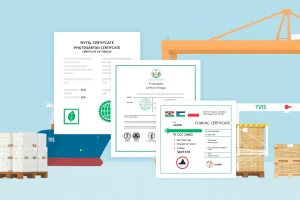
| Phytosanitary Certificate | Official proof of compliance with ISPM 18 | Exporting NPPO |
| Irradiation Treatment Report | Details of dose, source, and date | Approved irradiation facility |
| Dosimetry Badge Results | Evidence of achieved kGy | Certified radiation physicist |
| Import Permit (if required) | Legal authorization to bring the commodity | Importing NPPO |
| Commercial Invoice & Packing List | Customs valuation and identification | Exporter |
Common Mistakes & Rejection Reasons
Even experienced traders encounter pitfalls. The most frequent causes of denial are:
- Incorrect dose: Using a lower kGy than mandated, often due to outdated dose tables.
- Unapproved facility: Facility not listed in the importing NPPO’s approved provider list.
- Missing or illegible dosimetry data: Badges not read, or results not signed.
- Improper packaging: Dense packaging can shield parts of the load, preventing uniform dose delivery.
- Documentation errors: Misspelled scientific names, wrong certificate number, or absent import permit.
Addressing these items before shipment reduces the risk of costly re‑exports.
Step‑by‑Step Checklist (How‑to Trigger Irradiation)
- Verify the destination’s required dose and approved facilities on the NPPO website.
- Secure a written quotation and schedule with an approved irradiation provider.
- Arrange a pre‑treatment phytosanitary inspection; obtain a provisional clearance note.
- Prepare the consignment in packaging that allows uniform radiation penetration (e.g., thin‑walled cartons, no metal shielding).
- Submit the shipment to the irradiation facility; ensure dosimetry badges are placed per the provider’s SOP.
- Collect the treatment report and signed dosimetry results.
- Apply for the final phytosanitary certificate, attaching the treatment documents.
- Include the certificate, treatment report, and any import permits in the shipping documents.
- Notify the importer of the exact dose applied and provide a copy of badge results for spot‑check.
- Retain all records for at least five years in case of post‑entry verification.
Real‑World Example / Scenario
Scenario: A U.S. mango exporter wants to ship 20 metric tonnes of Hass mangoes to Japan, where the NPPO requires a minimum dose of 0.45 kGy for fruit flies.
- The exporter checks the Japan Plant Protection Station website and confirms that Co‑60 gamma irradiation at 0.45 kGy is acceptable.
- An approved facility in Florida is booked; the exporter sends a pre‑export phytosanitary request.
- After harvest, a USDA‑APHIS inspector issues a pre‑treatment clearance confirming no visible infestation.
- The mangoes are packed in single‑layer cartons, dosimetry badges are placed on the top, middle, and bottom of a representative pallet.
- The facility irradiates the load, reads badges at 0.452 kGy, and issues a treatment report.
- The exporter obtains a phytosanitary certificate stating: “Treated with ionizing radiation, dose 0.452 kGy, compliant with ISPM 18.”
- The shipment clears Japanese quarantine without incident, and the importer receives the mangoes within 48 hours of arrival.
This example illustrates how following the checklist and referencing the correct standards prevents delays.
Conclusion
Irradiation is a scientifically validated, internationally recognized method for meeting phytosanitary requirements without chemical residues. By understanding the regulatory framework, securing the right documentation, and avoiding common pitfalls, exporters and importers can use irradiation to maintain market access and protect global agriculture.
FAQ
Does irradiation make food radioactive?
No. The radiation passes through the product and alters the DNA of pests, but it does not leave residual radioactivity in the commodity.
Can any irradiation facility be used for export?
Only facilities listed on the importing country’s NPPO approved‑provider list may be used. Using an unapproved facility will cause rejection.
What happens if the measured dose is lower than required?
The shipment will be rejected or sent back for re‑treatment. The exporter must provide a new treatment report showing the correct dose.





Leave a Reply