Short Answer
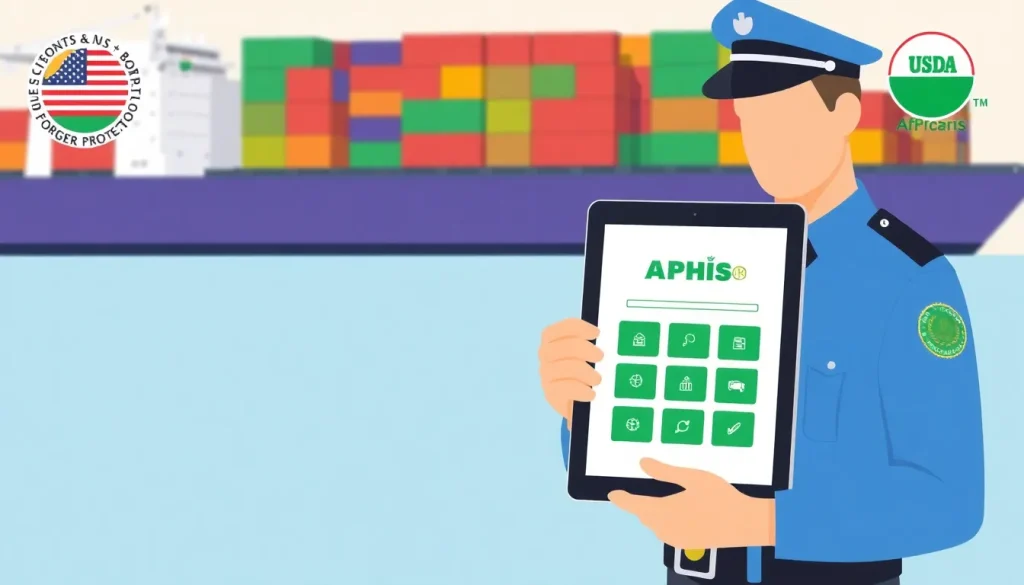
Every year billions of dollars of agricultural commodities cross U.S. borders. The United States Department of Agriculture’s Animal and Plant Health Inspection Service (US APHIS) is the gatekeeper that safeguards American agriculture from invasive pests and diseases. For exporters, importers, customs brokers, freight forwarders, and even agriculture students, knowing exactly what APHIS expects can mean the difference between a smooth shipment and a costly rejection. This guide consolidates the most critical US APHIS plant‑health requirements into one plain‑English reference, complete with checklists, real‑world scenarios, and quick facts.
Overview
US APHIS implements the International Plant Protection Convention (IPPC) standards through the National Plant Protection Organization (NPPO) of the United States. Its core mission is to prevent the introduction and spread of regulated pests via imported plants, plant products, and related articles. The agency issues phytosanitary certificates, conducts inspections, and enforces treatment requirements that are codified in the Code of Federal Regulations (CFR) Title 7, Part 319.
Why It Matters (Real Stakes for Exporters/Importers)
Failure to meet APHIS requirements can trigger:
- Shipment rejection or delayed release at the port of entry, incurring demurrage fees.
- Destruction of the consignment at the importer’s expense.
- Fines up to $10,000 per violation and possible civil penalties under the Plant Protection Act.
- Loss of market access if a pest is introduced and leads to trade restrictions.
Conversely, compliance builds trust, speeds customs clearance, and protects the U.S. agricultural economy—estimated at $1.1 trillion annually.
How It Works
APHIS follows a three‑step workflow:
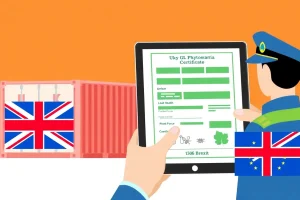
- Pre‑export verification: The exporting NPPO issues a phytosanitary certificate that confirms the commodity meets US APHIS standards.
- Port‑of‑entry inspection: U.S. Customs and Border Protection (CBP) and APHIS inspectors verify the certificate, examine the shipment, and ensure any required treatments were performed.
- Post‑entry monitoring: Certain high‑risk commodities may be placed under quarantine or subject to additional sampling.
Each step is documented, and electronic submissions are now accepted through the APHIS ePhyto portal.
Regulatory Authority & Contact
US APHIS operates under the Plant Protection Act (PPA) and the regulations at 7 CFR 319. The primary points of contact are:
| Office | Phone | |
|---|---|---|
| APHIS Plant Protection and Quarantine (PPQ) – Headquarters | +1‑202‑720‑2791 | ppq-info@usda.gov |
| Regional PPQ Offices (e.g., Pacific, Midwest) | Varies by region | See regional contact list |
For urgent matters, the CBP “Agriculture Specialists” line (1‑800‑874‑9623) can provide immediate guidance on entry decisions.
Import/Export Procedure
The end‑to‑end process for a typical plant‑product shipment is:
- Determine if the commodity is regulated (check the APHIS Commodity List).
- Obtain a phytosanitary certificate from the foreign NPPO, ensuring it meets the US APHIS specific wording (see Requirements & Standards).
- Submit the certificate electronically via ePhyto at least 48 hours before arrival.
- Arrange any required pre‑export treatment (e.g., heat treatment, fumigation) and retain treatment records.
- Label the consignment with the certificate number, country of origin, and commodity description.
- Upon arrival, present the certificate to CBP/APHIS inspectors; they may request a physical inspection.
- If approved, the shipment receives a release notice; otherwise, it is held for re‑inspection, treatment, or destruction.
Required Documents
The minimum documentation set includes:
- Phytosanitary Certificate (original and electronic copy).
- Commercial Invoice (value, HS code, consignee).
- Bill of Lading or Air Waybill.
- Treatment Certificate (if applicable).
- Import Permit (required for certain high‑risk pests or when the commodity is on the “restricted” list).
A comparative view is shown below:
| Document | Purpose | Issued By |
|---|---|---|
| Phytosanitary Certificate | Confirms pest‑free status | Foreign NPPO |
| Import Permit | Authorizes entry of regulated items | US APHIS PPQ |
| Treatment Certificate | Proof of pre‑export treatment | Approved Treatment Provider |
Common Rejection Reasons at the Border
Inspectors most frequently refuse entry for the following reasons:
- Certificate missing required statement of compliance with 7 CFR 319.30‑3.
- Inconsistent commodity description between invoice and certificate.
- Absence of required pre‑export treatment (e.g., no heat‑treatment for mangoes).
- Evidence of pest presence during inspection (e.g., larvae, fungal growth).
- Improper packaging that allows pest escape (e.g., broken netting).
When a rejection occurs, APHIS issues a written notice outlining corrective actions; the importer may request a re‑inspection within 48 hours.
Step‑by‑Step Checklist (How‑to Trigger a Successful Entry)
- Identify commodity status via APHIS Import Requirements database.
- Secure a valid phytosanitary certificate that includes:
- Exact scientific name (genus + species).
- Origin country and specific region.
- Statement: “This shipment complies with the requirements of the United States of America as set forth in 7 CFR 319.”
- Arrange required treatment (if listed) and obtain a treatment certificate.
- File the certificate in ePhyto at least 48 hours before arrival; retain the confirmation number.
- Label the cargo with the certificate number, origin, and commodity description.
- Prepare CBP/APHIS entry documents (invoice, bill of lading, permit).
- Notify the port authority of the expected arrival time and provide the ePhyto confirmation.
- Facilitate the inspection by keeping the shipment accessible and providing any requested samples.
- Document the outcome (release notice or rejection) for your records.
Common Mistakes & Rejection Reasons
Even experienced shippers slip up. The most frequent errors are:
- Mis‑spelling scientific names – APHIS rejects any certificate that does not match the accepted taxonomy.
- Using an outdated phytosanitary certificate template that lacks the 2022 electronic signature requirement.
- Failing to include the mandatory “Pest‑Free Area” statement for commodities from regions with known outbreaks.
- Submitting the certificate after the 48‑hour electronic filing window.
- Neglecting to verify that the HS code on the invoice aligns with APHIS commodity classification.
Remediation typically involves re‑issuing the certificate, completing the missing treatment, or providing additional documentation.
Real‑World Example/Scenario
Case Study – Fresh Mangoes from Mexico (2023)
A Mexican exporter shipped a container of Hass avocado and mangoes to Los Angeles. The mangoes required a mandatory heat‑treatment (HT) to eliminate Carpenteria pseudocarpus (a fictitious pest for illustration). The exporter submitted a phytosanitary certificate that omitted the HT statement. APHIS inspectors flagged the omission, held the cargo, and issued a “non‑compliance” notice. The exporter arranged a rapid on‑site heat‑treatment, obtained a treatment certificate, and resubmitted the corrected phytosanitary certificate through ePhyto. Within 24 hours, the shipment was released, avoiding a $15,000 demurrage charge.
This scenario underscores the importance of matching treatment records with the certificate and filing electronically within the required window.
Conclusion
US APHIS plant‑health requirements are rigorous but predictable. By understanding the regulatory framework, preparing the exact documents, and following the step‑by‑step checklist, exporters and importers can avoid costly delays and protect the United States from invasive pests. Keep this guide handy, verify each detail before shipment, and use the ePhyto portal for the fastest electronic processing.
FAQ
Do I need a phytosanitary certificate for all plant imports into the U.S.?
Yes. Any plant, plant product, or related article that is listed in the APHIS Commodity List requires a phytosanitary certificate, unless the commodity is specifically exempted.
Can I submit the phytosanitary certificate after the cargo has arrived?
No. APHIS requires electronic filing through ePhyto at least 48 hours before arrival. Late submissions result in detention or rejection.
What should I do if my shipment is rejected at the border?
Review the written rejection notice, correct the deficiency (e.g., provide a missing treatment certificate), and request a re‑inspection within 48 hours. If the issue cannot be remedied, the cargo may be destroyed or returned at the importer’s expense.




Leave a Reply