Short Answer
International trade in plants and plant products hinges on a single document: the phytosanitary certificate (PH). When a certificate is rejected at the border, shipments are held, fines may be levied, and market reputation suffers. Understanding why rejections occur—and how to stop them before they happen—saves time, money, and relationships. This pillar article breaks down the most frequent rejection triggers, the regulatory framework behind them, and a step‑by‑step checklist that exporters, importers, customs brokers, and freight forwarders can use to keep trade flowing.
Overview
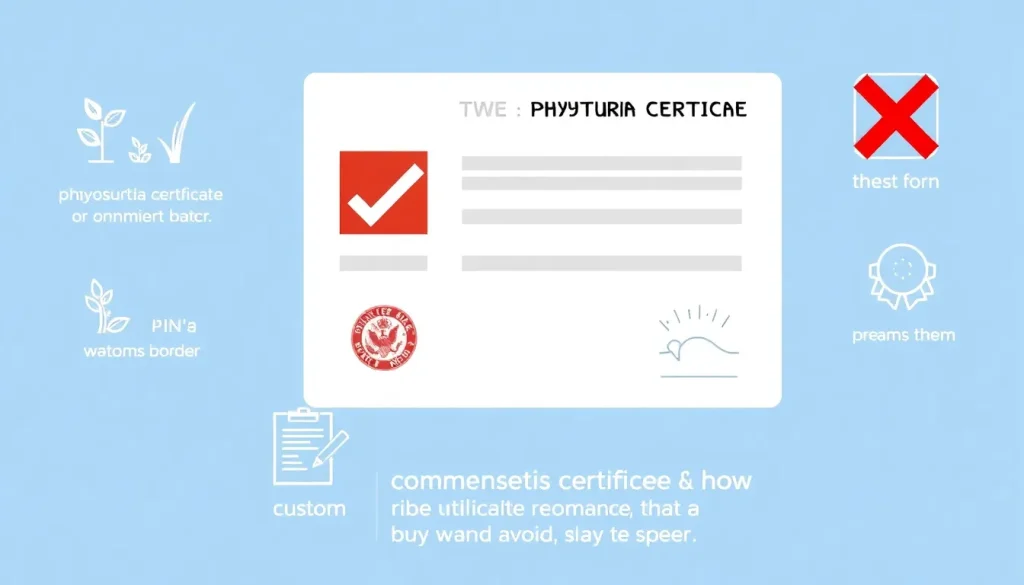
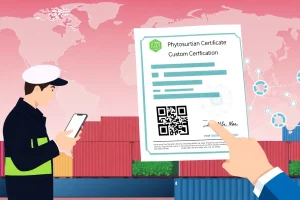
A phytosanitary certificate is an official statement issued by the National Plant Protection Organization (NPPO) of the exporting country confirming that the consignment complies with the phytosanitary requirements of the importing country. The certificate must be accurate, complete, and signed in accordance with the International Plant Protection Convention (IPPC) standards (ISPM 12) and any bilateral or multilateral agreements.
Why It Matters
Rejection of a PH certificate can have cascading effects:
- Financial loss: Demurrage, re‑inspection fees, and possible destruction of the cargo.
- Supply‑chain disruption: Missed delivery windows, production downtime, and loss of customer trust.
- Regulatory penalties: Fines imposed by customs or the NPPO for non‑compliance.
- Market access risk: Repeated rejections may trigger stricter inspections for future shipments.
For exporters, a clean PH certificate is as essential as a commercial invoice; for importers, it is the gatekeeper to market entry.
Required Documents
Besides the PH certificate itself, most importing authorities request a specific package of supporting paperwork. Missing or inconsistent documents are a leading cause of rejection.
| Document | Purpose | Typical Requirement |
|---|---|---|
| Phytosanitary Certificate (Form 1) | Official declaration of pest‑free status | Signed by authorized NPPO officer, includes IPPC stamp |
| Commercial Invoice | Customs valuation and description | Accurate HS code, weight, value |
| Certificate of Origin | Proof of source country | Chamber of commerce endorsement |
| Import Permit | Authorises entry of the commodity | Issued by the importing NPPO |
| Treatment Certificate (if required) | Evidence of post‑harvest treatment | Method, temperature, duration per ISPM 15/33 |
All documents must be in the language required by the importing country or accompanied by a certified translation.
Common Rejection Reasons
Border officials routinely cite the following deficiencies:
- Incomplete or inaccurate commodity description – mismatched HS code or scientific name.
- Missing NPPO seal or unauthorized signature – violates ISPM 12‑1.2.
- Incorrect or outdated pest‑free declaration – failure to reflect recent surveillance data.
- Absence of required treatment evidence – e.g., missing fumigation certificate for timber.
- Improper date format or expiration – certificate must be valid on the date of export.
- Inconsistent information between documents – weight, volume, or batch number mismatches.
- Failure to meet specific import requirements – such as quarantine periods or pre‑clearance testing.
Each of these items can be traced back to a lapse in the preparation or verification stage.
Requirements & Standards
The backbone of any PH certificate is the IPPC framework. Key references include:
- ISPM 12 – Certification of Phytosanitary Commodities: Defines format, content, and signatures required for a valid certificate.
- ISPM 15 – Regulated Wood Packaging Material: Sets treatment and marking standards for wood pallets and crates.
- National Plant Protection Organizations (NPPOs) of both exporting and importing countries: Publish commodity‑specific requirements, often as annexes to the IPPC.
“A phytosanitary certificate shall be issued only when the NPPO is satisfied that the consignment complies with the phytosanitary import requirements of the importing country.” – IPPC, ISPM 12, 2023
Compliance officers should keep the latest NPPO bulletins on hand, because requirements can change with new pest detections or trade agreements.
Step‑by‑Step Checklist (How to Trigger a Successful Issuance)
- Confirm Import Requirements: Retrieve the latest import permit, pest list, and treatment specifications from the destination NPPO website.
- Verify Commodity Details: Ensure scientific name, cultivar, HS code, and packaging match the import permit.
- Schedule Pre‑Export Inspection: Book an NPPO inspector at least 48 hours before shipment; provide a copy of the import permit.
- Conduct Required Treatments: Apply phytosanitary measures (e.g., heat treatment, fumigation) and retain records of temperature logs or chemical usage.
- Prepare Supporting Documents: Gather commercial invoice, certificate of origin, treatment certificate, and any required laboratory test reports.
- Complete the PH Certificate:
- Enter exact commodity description and scientific name.
- Use the correct ISPM 12 form version (PDF or paper).
- Ensure the NPPO seal and authorized signature are present.
- Check date format (DD‑MM‑YYYY) and validity period.
- Cross‑Check All Documents: Compare weight, volume, and batch numbers across the invoice, packing list, and certificate.
- Provide Certified Translations if the importing country requires a language other than the certificate’s original language.
- Submit to Exporter’s Customs Agent for final review and electronic filing (e‑Phytosanitary systems where available).
- Maintain Records: Keep copies for at least five years, as required by the WTO SPS Agreement.
Following this checklist reduces the likelihood of a rejection to under 5 % for well‑managed exporters.
Common Mistakes & How to Avoid Them
Even seasoned exporters slip into habits that trigger rejections. The table below matches frequent errors with preventive actions.
| Mistake | Impact | Preventive Action |
|---|---|---|
| Using a generic commodity description (e.g., “fruit”) instead of the precise species. | Border officer cannot verify pest‑free status; certificate rejected. | Reference the exact scientific name and cultivar from the import permit. |
| Relying on an expired NPPO seal. | Violates ISPM 12; certificate deemed invalid. | Confirm seal validity before signing; request a new seal if needed. |
| Omitting treatment details on the certificate. | Importing country may consider the consignment non‑compliant. | Attach a separate treatment certificate and reference it in the PH form. |
| Failing to translate the certificate when required. | Document rejected for language non‑compliance. | Use a certified translator and attach the translation as an annex. |
Real‑World Example / Scenario
Scenario: A U.S. exporter ships 20 metric tons of fresh mangoes to the European Union. The PH certificate lists the commodity as “Mangoes, raw” with the scientific name Mangifera indica. The EU’s NPPO requires a pre‑export pest inspection for Colletotrichum gloeosporioides and a post‑harvest cold treatment at 2 °C for 14 days.
What went wrong:
- The exporter omitted the cold‑treatment certificate.
- The PH certificate was signed by a regional office clerk, not an authorized NPPO inspector.
- The commercial invoice listed the HS code 080450 (fresh mangoes) but the packing list used 080440 (dried mangoes).
Result: EU border officials rejected the shipment, imposed a €5,000 fine, and ordered the cargo to be re‑conditioned.
Corrective steps:
- Obtain the required cold‑treatment certificate and attach it to the PH form.
- Ensure the certificate is signed by an authorized NPPO officer and bears the official seal.
- Align HS codes across all documentation before loading.
After resubmission, the EU accepted the consignment within 24 hours, demonstrating how a systematic checklist can turn a costly rejection into a smooth clearance.
Conclusion
Phytosanitary certificate rejections are preventable when exporters, importers, and logistics partners treat the certificate as a living document that must reflect the exact regulatory expectations of the destination country. By understanding the common pitfalls—missing signatures, inaccurate commodity data, absent treatment proof, and language gaps—and applying the step‑by‑step checklist, trade participants can safeguard their shipments, reduce demurrage costs, and maintain reliable market access.
| Quick Facts |
|
FAQ
Can a phytosanitary certificate be issued electronically?
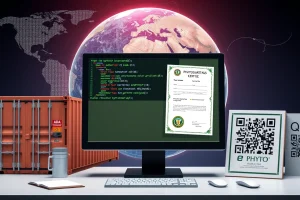
Yes. Many NPPOs now offer e‑Phytosanitary platforms that generate a digital certificate with electronic signatures, reducing transcription errors and speeding up border clearance.
What should I do if my certificate is rejected at the border?
Immediately request the official rejection notice, correct the documented deficiency (e.g., add missing seal or treatment proof), and resubmit the corrected certificate. Keep the cargo under controlled conditions to avoid further pest risk.
Do I need a separate treatment certificate if the PH form already lists the treatment?
Yes. Most importing countries require a stand‑alone treatment certificate that details the method, temperature, duration, and the accredited lab or facility that performed the treatment.




Leave a Reply