Short Answer
Exporting plants, seeds, or plant products across borders requires more than a shipping label; a valid phytosanitary certificate (Phytocert) is the official proof that the consignment complies with the importing country’s plant‑health regulations. This guide walks exporters, importers, customs brokers, freight forwarders, and agriculture students through every step of completing a Phytosanitary Certificate, from understanding its purpose to avoiding the most common rejection reasons.
Overview
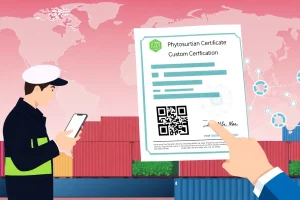
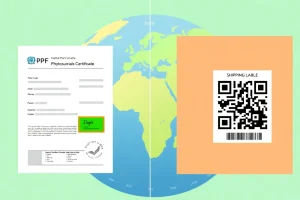
A phytosanitary certificate is an official document issued by the National Plant Protection Organization (NPPO) of the exporting country. It certifies that the commodity has been inspected, is free from regulated pests, and meets the phytosanitary requirements of the destination country. The certificate is governed internationally by the International Plant Protection Convention (IPPC) and its International Standards for Phytosanitary Measures (ISPMs), especially ISPM 12 (Phytosanitary Certificates).
Why it Matters (Real Stakes for Exporters/Importers)
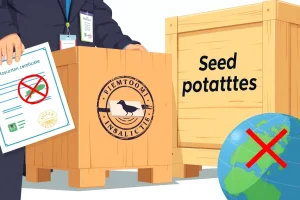
Failure to provide a correct Phytocert can lead to:
- Border rejection – consignments are held, re‑inspected, or destroyed, causing costly delays.
- Financial loss – loss of product value, demurrage charges, and possible fines.
- Reputational damage – loss of buyer confidence and future market access.
- Regulatory penalties – non‑compliance with WTO SPS Agreement can trigger trade disputes.
How it Works
The process follows a predictable flow:
- Exporter prepares the shipment and gathers required documentation.
- Exporting NPPO (or delegated authority) conducts a visual inspection and any mandated treatments.
- Inspector completes the official Phytosanitary Certificate form, attaching any test results or treatment certificates.
- Certificate is signed, stamped, and transmitted to the importer and, where required, to the importing NPPO.
- Customs and plant‑health officials at the destination review the certificate before release.
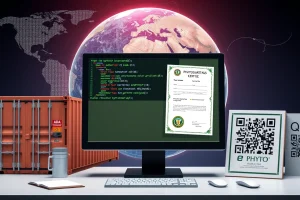
Electronic Phytocerts (e‑Phytocert) are increasingly used under the IPPC’s e‑Phytosanitary System, enabling faster data exchange.
Required Documents
Before the NPPO can issue a Phytocert, the exporter must provide:
- Commercial invoice – showing commodity description, quantity, and value.
- Packing list – detailing container numbers, weight, and dimensions.
- Origin certificate (if required) – proving the material originates from a pest‑free area.
- Treatment certificates – e.g., fumigation, heat treatment, or irradiation reports.
- Laboratory test reports – for pathogens that require diagnostic confirmation.
- Export permit – where the commodity is subject to a national export control.
All documents must be current (usually within the last 30 days) and presented in the language required by the importing country.
Step‑by‑Step Checklist (How‑to Trigger)
- Identify the importing country’s phytosanitary requirements. Consult the destination NPPO website or the IPPC’s online database.
- Confirm commodity classification. Use the HS code and IPPC pest‑risk analysis to determine if a Phytocert is mandatory.
- Gather all supporting documents. Ensure invoices, packing lists, treatment records, and lab reports are complete.
- Schedule an inspection. Contact the local NPPO office or accredited private inspector at least 7‑10 days before shipment.
- Complete the pre‑inspection checklist. Verify that the commodity is free from visible pests, weeds, and soil.
- Conduct the official inspection. The inspector will examine the shipment, confirm treatment compliance, and record findings on the certificate form.
- Fill out the Phytosanitary Certificate. Include:
- Exporter and NPPO details
- Consignment description (scientific name, common name, quantity)
- Origin and destination
- Inspection date and result (e.g., “Free from regulated pests”)
- Any required statements (e.g., “Treated according to ISPM 15”)
- Obtain signatures and official seal. The authorized NPPO officer must sign and affix the official stamp.
- Transmit the certificate. Provide a hard copy to the carrier and an electronic copy to the importer and, if required, to the importing NPPO via the e‑Phytosanitary portal.
- Retain records. Keep a copy of the certificate and supporting documents for at least five years for audit purposes.
n
Common Mistakes & Rejection Reasons
Even experienced exporters stumble over a few recurring errors:
- Incorrect scientific name. Using a synonym or misspelling leads to a mismatch with the importing NPPO’s pest list.
- Missing treatment declaration. Failure to state that the shipment complies with ISPM 15 (wood packaging) or ISPM 36 (fumigation) results in immediate hold.
- Out‑of‑date documents. Lab reports older than the allowed time window are deemed invalid.
- Wrong certificate form. Some countries require a specific format (e.g., Canada’s CFIA Form 1).
- Inadequate pest‑free area proof. Importers from pest‑free zones must attach an official pest‑free area certificate; omission triggers rejection.
Addressing these points during the pre‑inspection stage reduces the likelihood of a border hold.
Real‑World Example/Scenario
“A U.S. exporter of fresh basil intended for the EU market submitted a Phytosanitary Certificate that listed Ocimum basilicum but omitted the required statement that the shipment had been inspected for Enterobacteriaceae contamination under EU Regulation 2019/2072. The French customs authority held the consignment, and the exporter incurred €12,000 in demurrage. After revising the certificate to include the mandatory microbiological test result, the next shipment cleared without incident.”
This scenario illustrates the importance of aligning the certificate content with the importing country’s specific pest and pathogen regulations.
Requirements & Standards
The issuance of a Phytosanitary Certificate must comply with the following primary standards:
- IPPC – ISPM 12 (2008, revised 2022): Defines the format, content, and transmission of phytosanitary certificates.
- National Plant Protection Organization (NPPO) regulations: Each exporting country adopts ISPM 12 into its domestic law (e.g., USDA‑APHIS regulations 7 CFR Part 340 in the United States).
- World Trade Organization – SPS Agreement: Requires that phytosanitary measures are based on scientific risk assessments and are not more trade‑restrictive than necessary.
Importing countries may also publish supplemental guidelines that must be reflected on the certificate. For instance, the European Union’s Commission Implementing Regulation (EU) 2021/928 adds specific wording for high‑risk commodities.
Conclusion
Completing a phytosanitary certificate correctly is a critical step in the plant‑health supply chain. By following the step‑by‑step checklist, using the right documents, and avoiding common pitfalls, exporters can ensure smooth border clearance, protect market access, and maintain compliance with international standards.
FAQ
Can I use a template from another country for my Phytosanitary Certificate?
No. Each NPPO uses its own approved form that complies with ISPM 12. Using a foreign template will be rejected.
How long before shipment should I request the Phytocert?
Schedule the inspection at least 7–10 days in advance to allow time for treatment, documentation, and possible re‑inspection.
Is an electronic Phytosanitary Certificate accepted everywhere?
Most major trading partners now accept e‑Phytocerts via the IPPC’s e‑Phytosanitary system, but a few countries still require a paper copy. Verify the destination’s preference before shipping.




Leave a Reply