Short Answer
Exporting fresh fruit is a high‑value, time‑sensitive business that hinges on strict phytosanitary compliance. A single missed certificate or an untreated pest can cause a shipment to be rejected, leading to financial loss and damaged market reputation. This encyclopedia‑style guide walks exporters, importers, customs brokers, freight forwarders, and agriculture students through every critical element of fresh fruit export compliance, from the regulatory landscape to a step‑by‑step checklist that can be used on the shop floor.
Overview
Fresh fruit export requirements are a set of legal and technical conditions imposed by the importing country’s National Plant Protection Organization (NPPO) and the International Plant Protection Convention (IPPC). They ensure that fruit does not carry quarantine pests, diseases, or residues that could threaten the importing nation’s agriculture. The core components include:
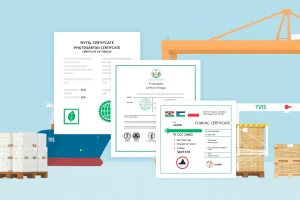
- Phytosanitary certificate (Phytocert) issued by the exporting NPPO.
- Compliance with International Standards for Phytosanitary Measures (ISPM) relevant to fruit (e.g., ISPM 31).
- Pre‑export treatments or inspections required by the destination.
- Accurate commodity description, origin, and packing details.
These elements are harmonized under the World Trade Organization’s SPS Agreement, which encourages mutually‑recognized standards to facilitate trade.
Why It Matters
Failure to meet export requirements can trigger costly consequences:
- Shipment rejection or quarantine – fruit may be held at the border, inspected, and possibly destroyed.
- Financial losses – loss of product, demurrage charges, and penalties.
- Market access erosion – repeated non‑compliance can lead to bans or stricter future inspections.
- Legal liability – exporters may breach contracts or face regulatory fines.
Conversely, strict compliance builds trust with buyers, accelerates customs clearance, and protects the global food supply chain.
Import/Export Procedure
The generic flow for fresh fruit shipments is illustrated in the table below. While specific steps vary by country, the sequence remains consistent across most trade routes.
| Step | Action | Responsible Party |
|---|---|---|
| 1 | Pre‑export pest risk analysis & treatment plan | Exporter / NPPO |
| 2 | Harvest, sort, and pack under approved conditions | Packhouse manager |
| 3 | Official inspection & issuance of Phytosanitary Certificate | Export NPPO inspector |
| 4 | Export declaration to customs | Exporter / Customs broker |
| 5 | Transport to port of loading | Freight forwarder |
| 6 | Loading, export clearance, and shipment | Port authority & customs |
| 7 | Import inspection & certificate verification | Import NPPO |
| 8 | Release to importer or further distribution | Importer / customs broker |
Required Documents
Each shipment must be accompanied by a specific set of documents. Missing or incorrectly completed paperwork is the leading cause of border rejections.
| Document | Purpose | Typical Issuer |
|---|---|---|
| Phytosanitary Certificate | Proof that fruit meets import phytosanitary requirements | Export NPPO |
| Commercial Invoice | Customs valuation and buyer‑seller details | Exporter |
| Packing List | Itemized description of containers, weights, and marks | Exporter |
| Certificate of Origin | Origin verification for preferential duties | Chamber of Commerce |
| Air Waybill / Bill of Lading | Transport contract and receipt of goods | Carrier |
| Residue Test Report (if required) | Demonstrates compliance with pesticide limits | Accredited lab |
All documents must be in the language(s) specified by the importing NPPO, often English and the local official language.
Common Rejection Reasons at the Border
Importing authorities frequently reject fresh fruit shipments for the following reasons:
- Phytosanitary certificate missing, expired, or not matching the cargo.
- Detected quarantine pest (e.g., Bactrocera dorsalis – Oriental fruit fly).
- Improper treatment records or untreated fruit when treatment is mandatory.
- Pesticide residues exceeding Codex MRLs.
- Incorrect commodity description or HS code.
- Packaging not approved (e.g., untreated wooden pallets).
Addressing these points before departure dramatically lowers the risk of detention.
Requirements & Standards
“The importation of fresh fruit shall be permitted only when the commodity is accompanied by a phytosanitary certificate that certifies compliance with the relevant ISPM standards, the importing country’s phytosanitary regulations, and any specific treatment requirements.” – IPPC, ISPM 31 (2018)
The key standards governing fresh fruit exports are:
- ISPM 31 – Fruit: Sets inspection, sampling, and treatment guidelines for fresh fruit.
- National Phytosanitary Regulations of the importing NPPO (e.g., USDA‑APHIS for the United States, ANVISA for Brazil).
- Codex Alimentarius MRLs for pesticide residues.
- WTO SPS Agreement – Provides the legal framework for mutual recognition of standards.
Exporters should obtain the latest NPPO import requirements from the official website or through the International Plant Protection Centre (IPPC) portal.
Step‑by‑Step Checklist (How‑to Trigger Export)
- Confirm that the target market allows the specific fruit variety (check the NPPO’s A1/A2 pest list).
- Conduct a pre‑harvest pest risk assessment and apply any required treatments (e.g., hot water dip, irradiation).
- Harvest and pack fruit using approved, clean containers; label each package with variety, origin, and net weight.
- Schedule an official inspection with the export NPPO at least 48 hours before shipment.
- Obtain a phytosanitary certificate that includes:
- Crop name and scientific name
- Origin and export permit number
- Treatment details (if applicable)
- Prepare commercial invoice, packing list, certificate of origin, and any residue test reports.
- Submit export declaration to customs and attach all documents electronically (where permitted).
- Load fruit onto a temperature‑controlled container; ensure temperature stays within the commodity’s optimal range (e.g., 0–4 °C for strawberries).
- Provide the carrier with all documents; retain copies for audit.
- Upon arrival, confirm that the importing NPPO’s inspector validates the phytosanitary certificate before release.
Following this checklist reduces the likelihood of last‑minute surprises.
Common Mistakes & Rejection Reasons
Even experienced exporters slip up. Below are the most frequent errors and how to avoid them:
- Incorrect HS code – Use the Harmonized System code 0808 for fresh mangoes; a wrong code can trigger a different set of regulations.
- Out‑of‑date certificate – Certificates are typically valid for 30 days; re‑inspect if shipping is delayed.
- Missing treatment record – Keep a signed log of hot‑water or fumigation treatments; digital copies are accepted in most jurisdictions.
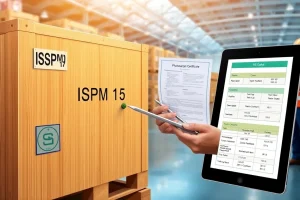
- Unapproved packaging material – Wooden pallets must be heat‑treated (ISPM 15) or replaced with plastic crates.
- Residue testing not performed – Conduct a lab analysis when the destination has low MRLs (e.g., EU limits for chlorpyrifos).
Implement a pre‑shipment audit that cross‑checks each item on the checklist against the required documents.
Real‑World Example: Exporting Chilean Blueberries to the EU
A Chilean grower planned a June shipment of 12 metric tonnes of blueberries to Germany. The EU NPPO requires:
- Pre‑harvest treatment with approved fungicide (no prohibited residues).
- Cold‑water dip at 2 °C for 30 seconds.
- Phytosanitary certificate stating compliance with ISPM 31 and EU Regulation 2019/2072.
During the pre‑export inspection, the inspector found a few berries with signs of Botrytis cinerea. The grower immediately removed the affected trays, re‑treated the lot, and obtained a revised certificate. The shipment cleared customs without delay, and the buyer reported zero complaints. The key takeaway: early detection and rapid corrective action prevent costly re‑exports.
Conclusion
Fresh fruit export compliance is a multi‑layered process that blends scientific standards, legal documentation, and logistical precision. By understanding the regulatory framework, preparing the correct paperwork, and following a disciplined checklist, exporters can minimise border rejections, protect market access, and deliver high‑quality fruit to consumers worldwide.
FAQ
How long is a phytosanitary certificate valid for fresh fruit shipments?
Most importing countries accept a phytosanitary certificate that is no older than 30 days at the time of arrival, though some may allow up to 60 days. Always verify the specific validity period with the destination NPPO.
Do I need a residue test report for every fruit export?
A pesticide residue report is required only if the importing country has specific Maximum Residue Limits (MRLs) for the commodity. The EU, for example, mandates residue testing for many fruits, while the US may rely on the certificate alone.
Can I use wooden pallets for shipping fresh fruit?
Wooden pallets are allowed only if they comply with ISPM 15 (heat‑treated or fumigated). Otherwise, use approved plastic or metal pallets to avoid rejection.





Leave a Reply